

Film history
Cine Movements
The history of cinema was not written by one hand. It was built by a succession of movements, each one answering the one before: groups of filmmakers who influenced each other, changed how films look and tell stories, and made the whole art move forward.
The movements, in time
Each one, with its films and its makers
Silent cinema · to 1927
French Impressionism and Surrealism
1918–1930 · FranceThe camera as a mind: superimpositions, dreams, the shock of the irrational.
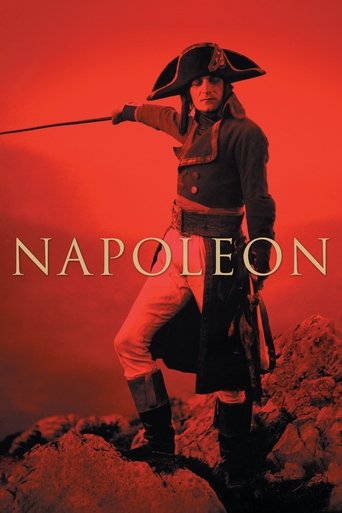
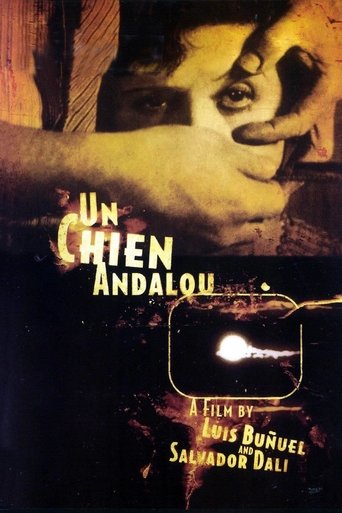

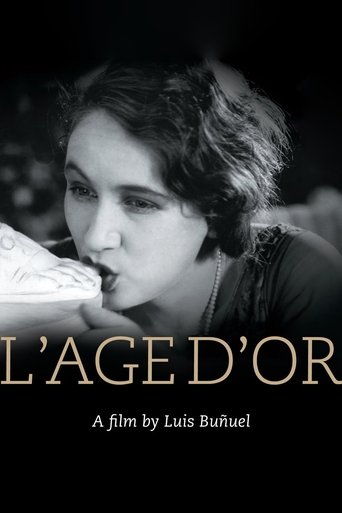
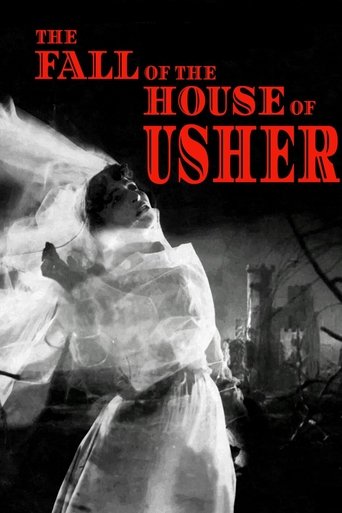
Abel Gance · Jean Epstein · Germaine Dulac · Luis Buñuel
German Expressionism
1919–1926 · GermanyFear painted on the set: distorted streets, shadows that lie, the mind shown from inside.
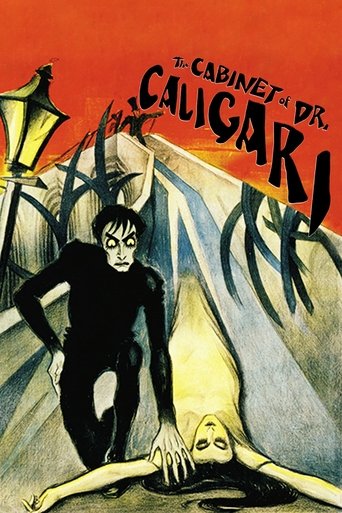
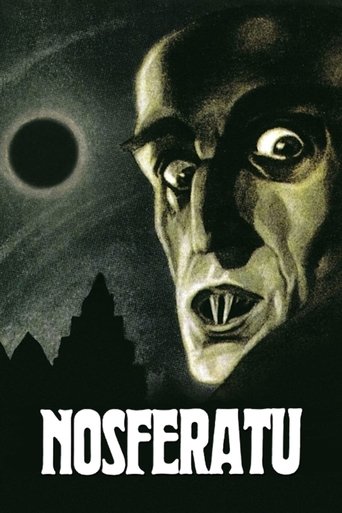
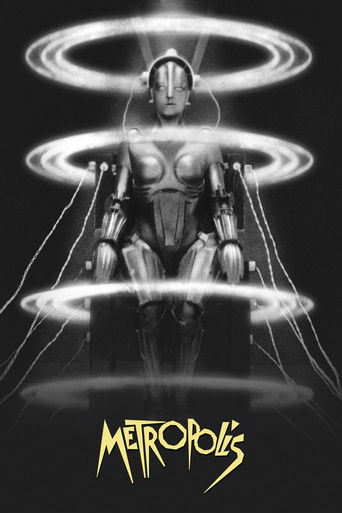
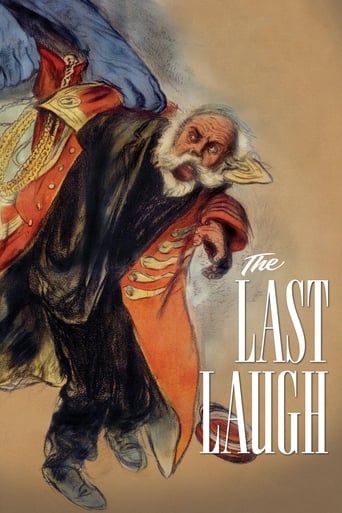
Robert Wiene · F. W. Murnau · Fritz Lang · Paul Leni
Soviet Montage
1924–1930 · USSRMeaning made in the cut: two images collide and a third idea is born.
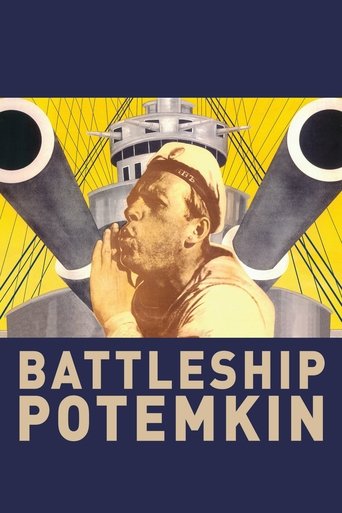
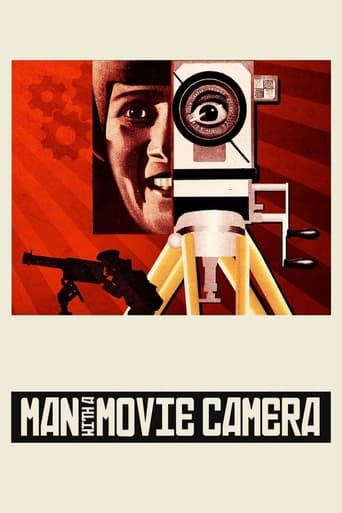
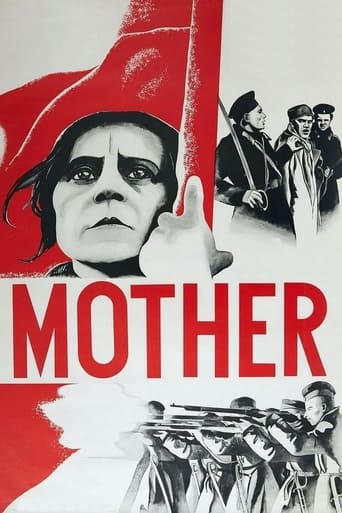
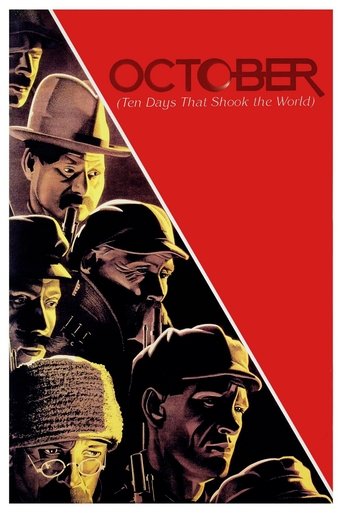
Sergei Eisenstein · Dziga Vertov · Vsevolod Pudovkin · Lev Kuleshov
Classical studios · 1927–1945
Poetic Realism
1934–1940 · FranceWorking-class fate, fog on the quay, tenderness and doom in the same frame.
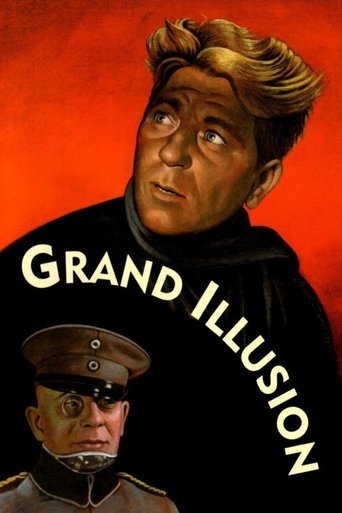
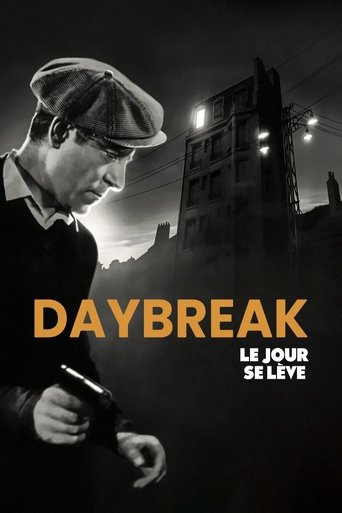
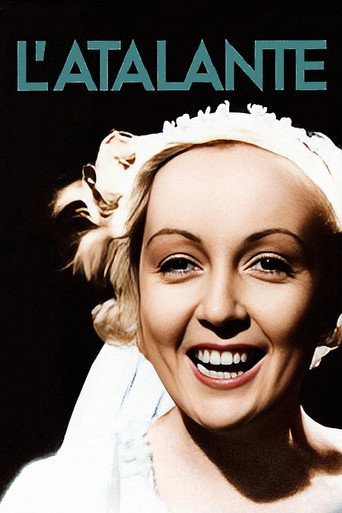
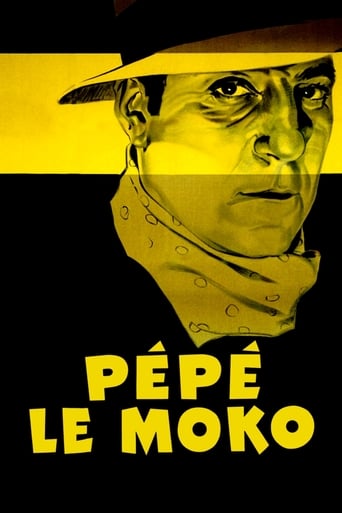
Jean Renoir · Marcel Carné · Jean Vigo · Julien Duvivier
Film noir
1941–1958 · USANight, venetian blinds, a man already lost and a voice telling how.
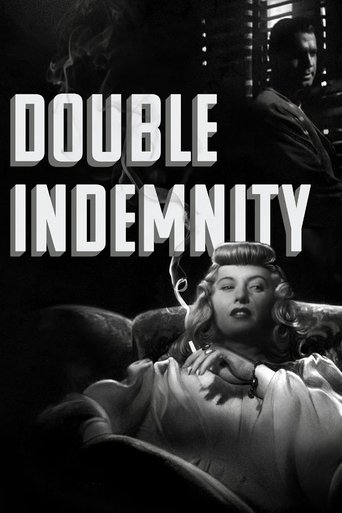
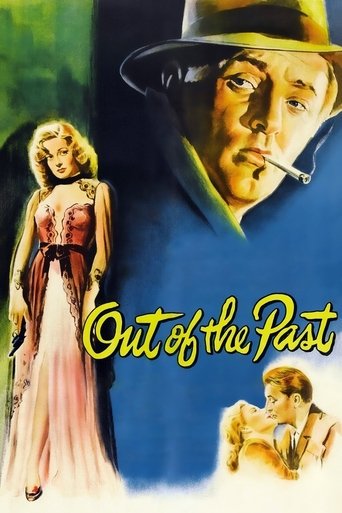
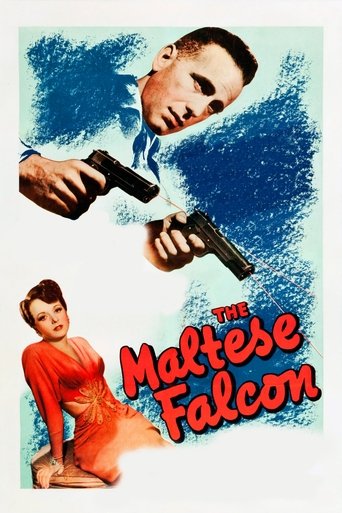
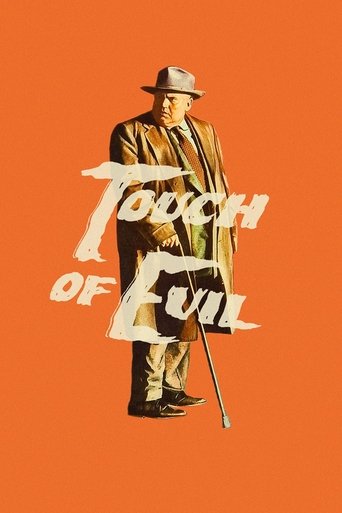
Billy Wilder · Jacques Tourneur · Fritz Lang · Robert Siodmak
Italian Neorealism
1943–1952 · ItalyOut of the studio and into the ruined street: real people, real light, the day as it is.
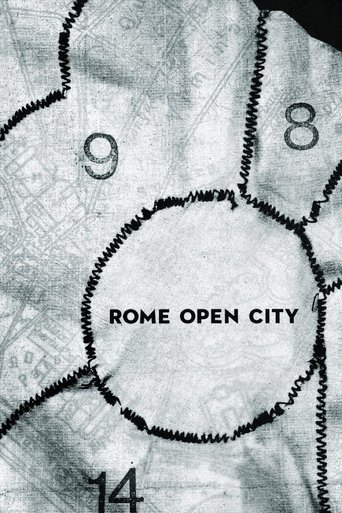
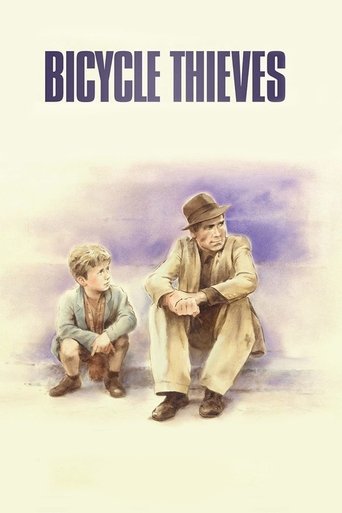
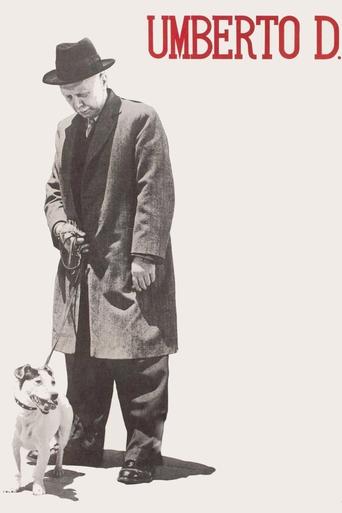

Roberto Rossellini · Vittorio De Sica · Luchino Visconti · Cesare Zavattini
Post-war · 1945–1958
Japanese post-war golden age
1949–1962 · JapanThree masters, three ways of seeing: the sword, the tatami and the long dissolve.
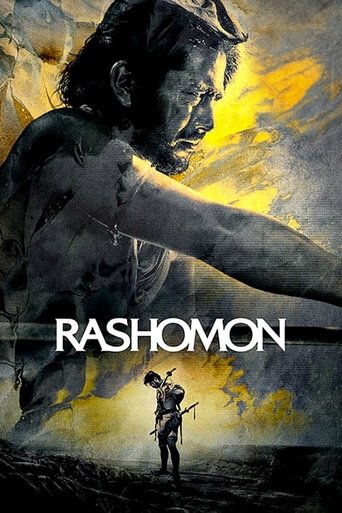
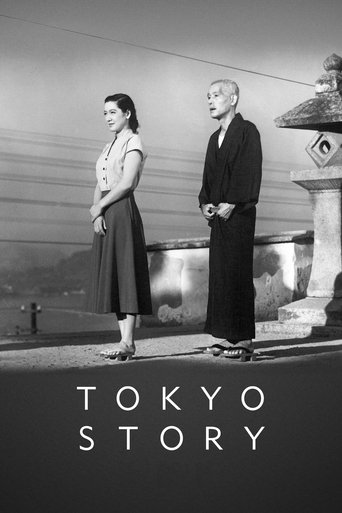
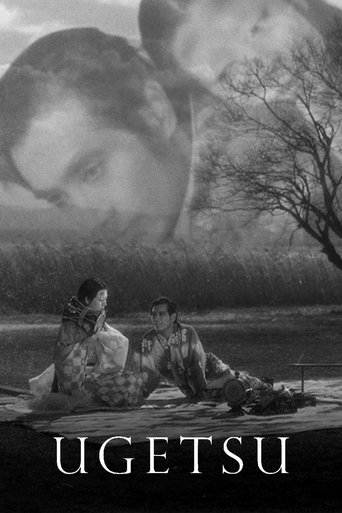

Akira Kurosawa · Yasujirō Ozu · Kenji Mizoguchi · Mikio Naruse
Free Cinema and the British New Wave
1956–1963 · United KingdomThe kitchen sink: the North, the factory, the angry young man, in black and white.

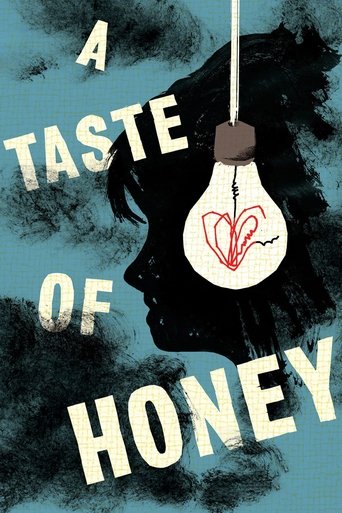
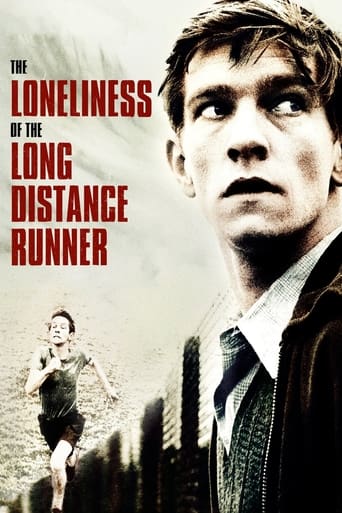

Lindsay Anderson · Karel Reisz · Tony Richardson · John Schlesinger
The new waves · 1958–1975
French New Wave
1958–1968 · FranceCritics pick up cameras: jump cuts, the street, the author's voice in every frame.

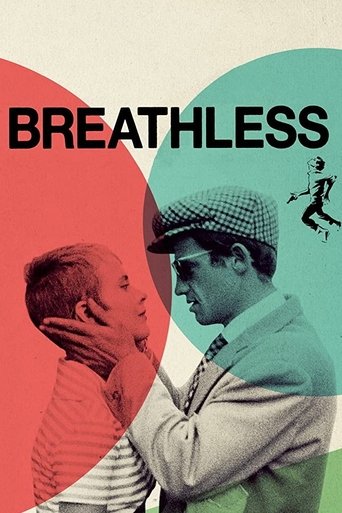
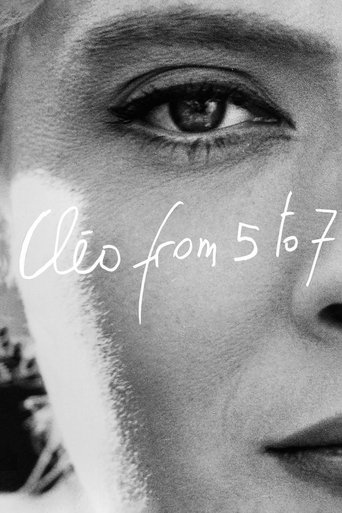
François Truffaut · Jean-Luc Godard · Agnès Varda · Alain Resnais
Direct cinema and cinéma vérité
1958–1970 · USAA light camera, a sync microphone, and the rule not to intervene: life catches itself.
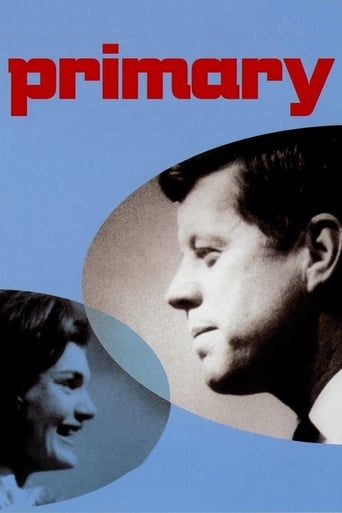
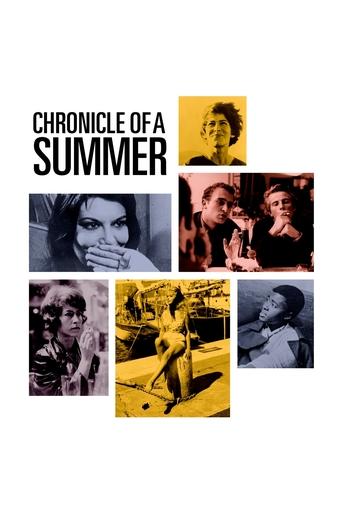
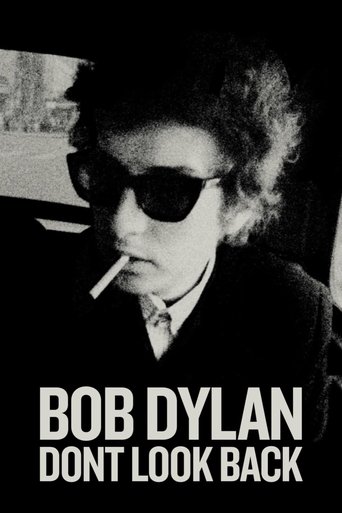

Robert Drew · Richard Leacock · D. A. Pennebaker · Albert and David Maysles
New German Cinema
1962–1982 · West GermanyPapa's cinema is dead: a generation films the guilt, the silence and the road.

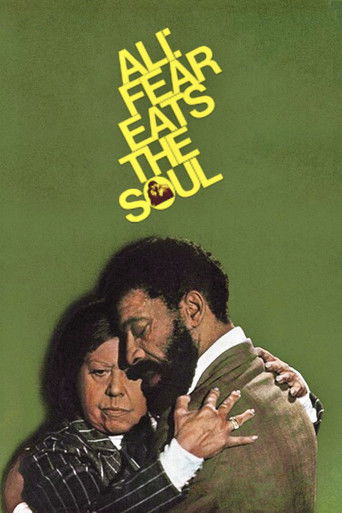
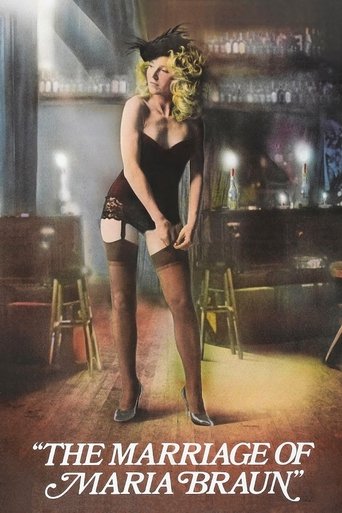

Rainer Werner Fassbinder · Werner Herzog · Wim Wenders · Volker Schlöndorff
Third Cinema
1965–1980 · ArgentinaNeither Hollywood nor the art house: cinema as a weapon of the decolonising world.
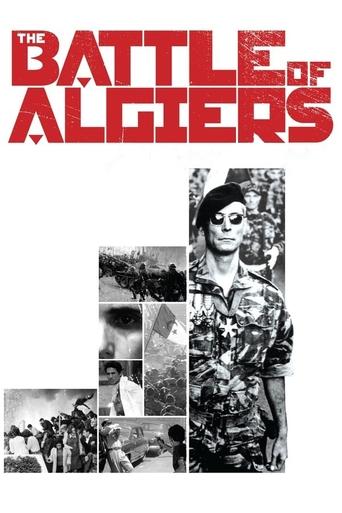
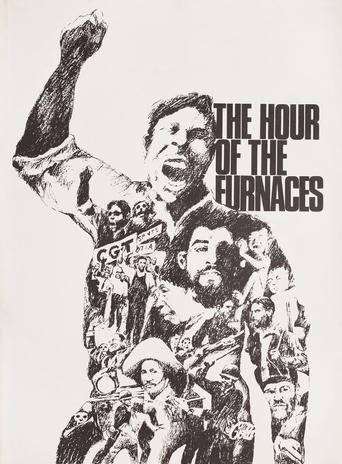
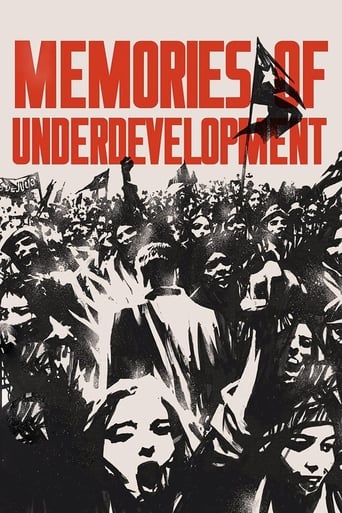
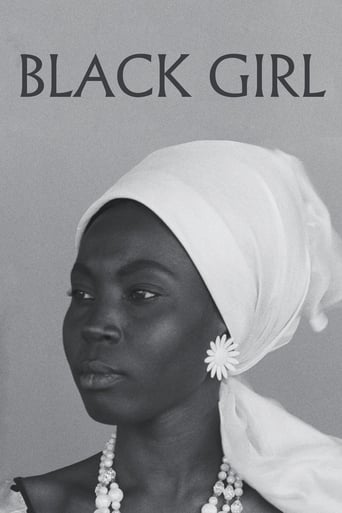
Fernando Solanas · Octavio Getino · Ousmane Sembène · Gillo Pontecorvo
New Hollywood
1967–1980 · USAThe studios lose control and a generation raised on Europe takes the lot.
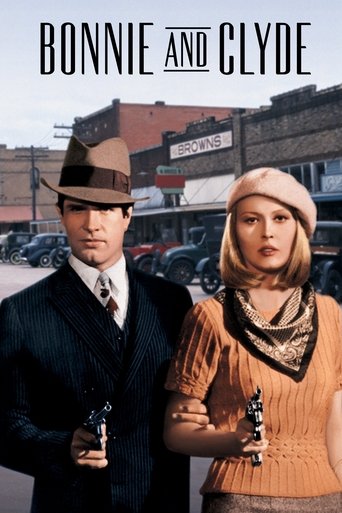
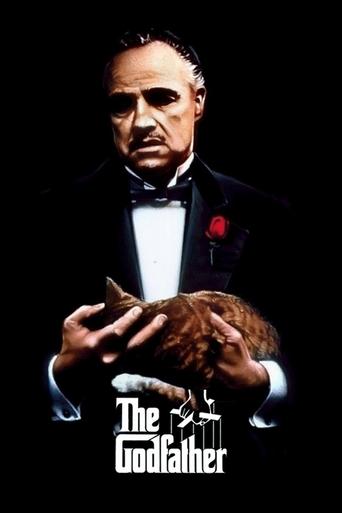
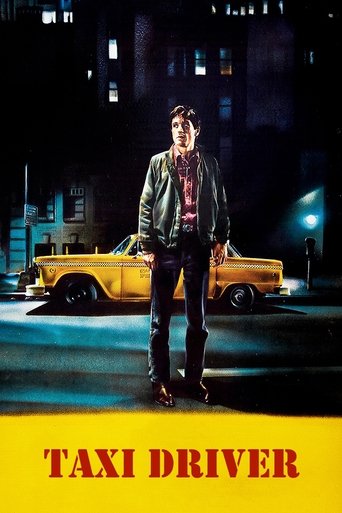
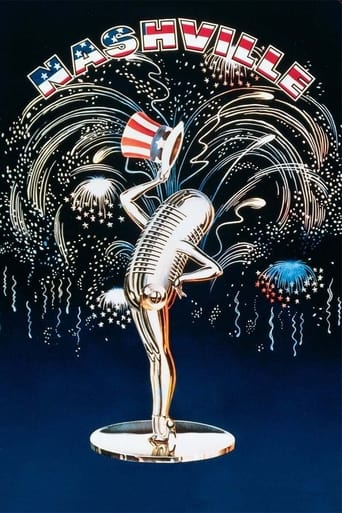
Francis Ford Coppola · Martin Scorsese · Robert Altman · Arthur Penn
Since 1990
Dogme 95
1995–2005 · DenmarkA vow of chastity: no sets, no music, handheld, the truth or nothing.
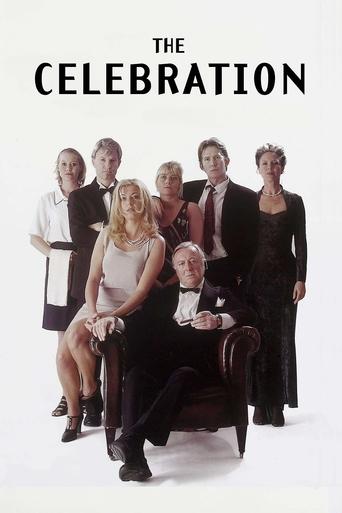
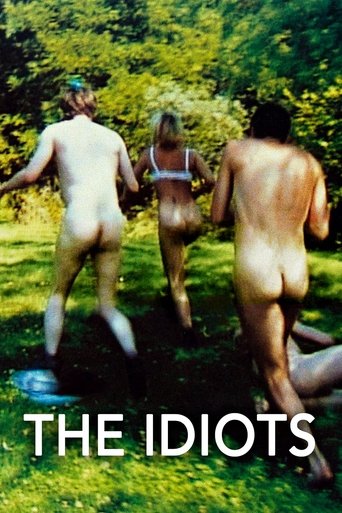
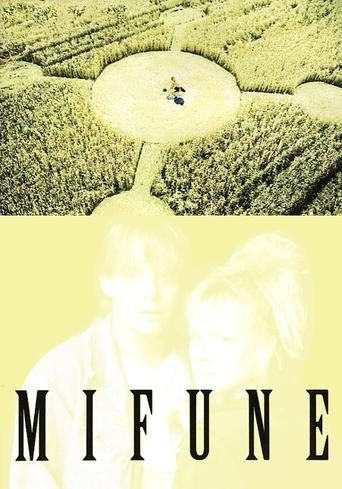
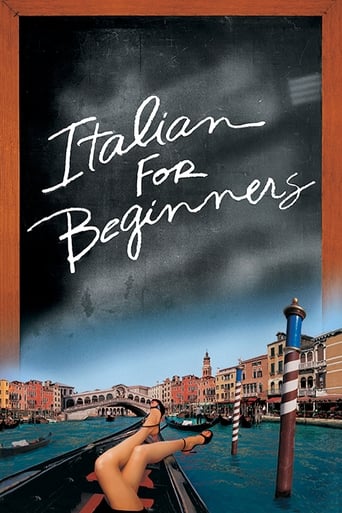
Lars von Trier · Thomas Vinterberg · Søren Kragh-Jacobsen · Lone Scherfig
The lineages
How the movements answer each other
- The Realism armFrench Impressionism and Surrealism → Poetic Realism → Italian Neorealism → French New Wave → New Hollywood → American independent cinema
- The Shadow armGerman Expressionism → Film noir → New Hollywood
- The cutSoviet Montage → British documentary movement → Direct cinema and cinéma vérité → Dogme 95
- AsiaJapanese post-war golden age → Japanese New Wave → Hong Kong New Wave → American independent cinema
- The SouthItalian Neorealism → Cinema Novo → Third Cinema → L.A. Rebellion