Loading…


Movement · 3 of 14 in time
Soviet filmmakers made editing the heart of cinema: two shots collide, and the viewer's mind supplies a third idea.
Where it sits
The first filmsSoviet MontageBritish documentary movement · Direct cinema and cinéma vérité
Context
The Soviet Union in the early twenties: revolution won, civil war over, a new state with a great deal to explain to a vast country of many languages, where many could not read. The state backed cinema as a way to reach them, and young filmmakers gathered in Moscow with more ideas than equipment.
They looked hard at American films and their crosscutting, and Lev Kuleshov's workshop turned the question into experiments. Editing, more than acting or sets, came to be seen as the place where a film is truly made. Between 1924 and 1930 they made that belief the subject of their work.
The signature
The people
The films
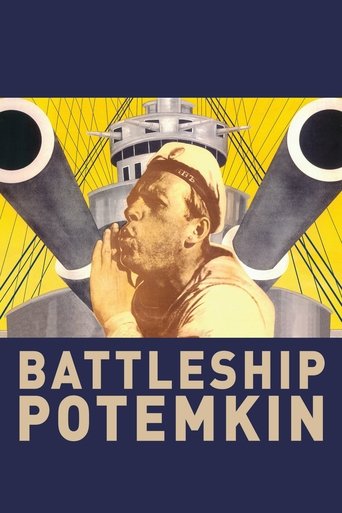

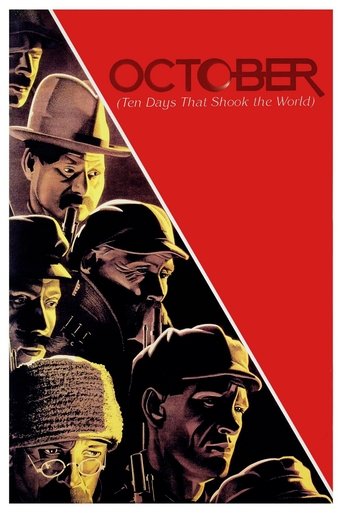
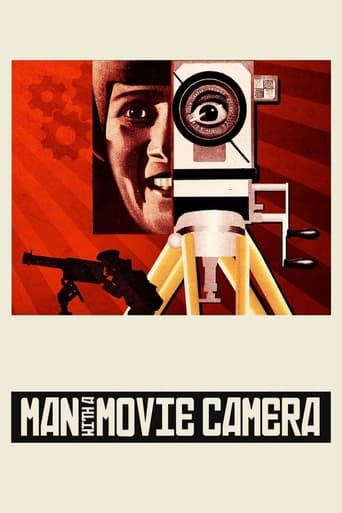
To start with: Battleship Potemkin · Mother · Man with a Movie Camera. Then the rest, in the order they came out.
Its constellation
Legacy
You still see it wherever a cut is meant to argue, not just to connect. The British documentary school of the thirties, with films like Night Mail, turned labour into rhythm this way. Cinéma vérité, Brazil's Cinema Novo and Third Cinema all took something from it. Even The Cranes Are Flying, in nineteen fifty-eight, carried its visual daring back into Soviet cinema.