Loading…


Movement · 12 of 14 in time
Filmmakers in Latin America and Africa make cinema neither for Hollywood's market nor for the art house, but as a tool of liberation.
Where it sits
Soviet Montage · Italian NeorealismThird CinemaL.A. Rebellion
Context
The sixties: empires are ending. Cuba's revolution of 1959 is young, Algeria wins independence in 1962, and across Latin America and Africa people argue about dependence on foreign powers. Local screens mostly show Hollywood and European films, and few people at home have the means to make their own.
Cinema already offered tools. Italian neorealism had shown how to film the poor, on real streets, with non-actors, and Soviet montage how to make images argue. In 1965 Brazil's Cinema Novo published its Aesthetics of Hunger; in 1969 Solanas and Getino wrote Towards a Third Cinema.
The signature
The people
The films
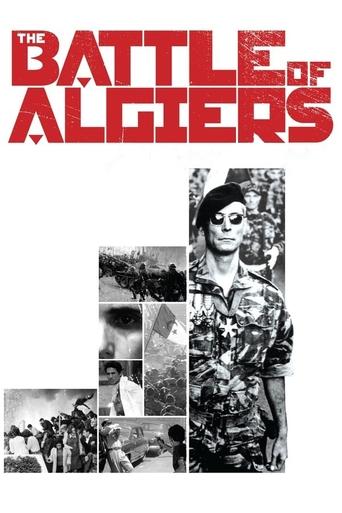

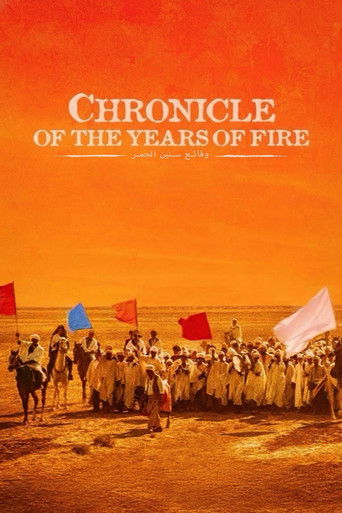
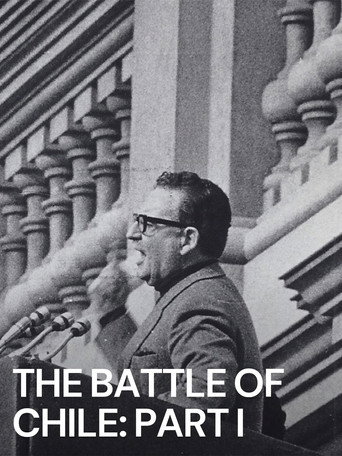
Its constellation
Legacy
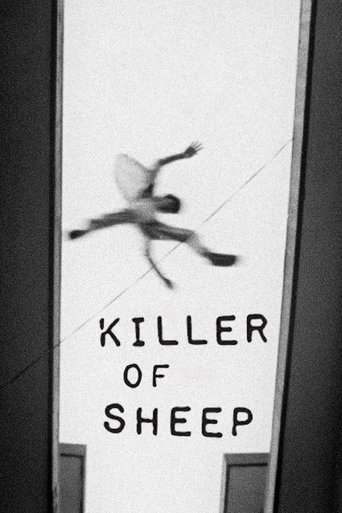
You can see it wherever filmmakers work outside the big commercial systems and treat a film as part of a political argument: in African cinema, in Latin American documentary, in collective filmmaking. It led directly to the L.A. Rebellion, the young Black filmmakers at UCLA who read the manifestos and filmed Los Angeles as a colonised place.
To start with: The Battle of Algiers · Black Girl · Memories of Underdevelopment. Then the rest, in the order they came out.