Loading…


Movement · 6 of 14 in time
Directors leave the studio for the ruined streets of postwar Italy and film real people, real light, and the day as it is.
Where it sits
Poetic RealismItalian NeorealismFrench New Wave · Free Cinema and the British New Wave
Context
Italy at the end of the Second World War: fascism fallen, cities bombed, the country occupied and then liberated. Under the regime, the film industry had favoured escapist comedies and polished studio dramas. After the war there was little money, little film stock and a great deal to look at. The ruins cost nothing to film.
The method had a precedent. Visconti had assisted Jean Renoir, whose Toni, shot in 1935 on location with non-actors, is the bridge to Visconti's own Ossessione. What the war added was necessity and urgency. Cesare Zavattini turned the habit into a programme: point the camera at ordinary people and invent no more than you must.
The signature
The people
The films
Its constellation
Legacy
Wherever a film goes out with little money, non-actors and a real street, this movement is nearby. French critics took its lessons into the New Wave; British kitchen-sink drama, Brazil's Cinema Novo, Kiarostami's Iran and the Romanian New Wave all learned from it, and Dogme 95 restated Zavattini's programme. At home it turned into bitter comedy, and later into political cinema that questioned the state.
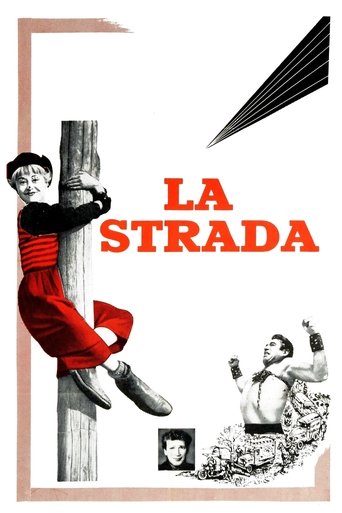

To start with: Rome, Open City · Bicycle Thieves · Umberto D.. Then the rest, in the order they came out.