Loading…


Movement · 7 of 14 in time
Three masters, working inside the studios, gave the world three ways of seeing: the sword, the tatami and the long dissolve.
Where it sits
The first filmsJapanese post-war golden ageFrench New Wave · New Hollywood
Context
Japan in 1949: defeated, occupied by Allied forces, its cities damaged and its cinemas busy again. The big studios, Shochiku, Toho and Daiei among them, were rebuilding and gave directors steady work. Italy was doing something similar in the same years, rebuilding a cinema on humanism.
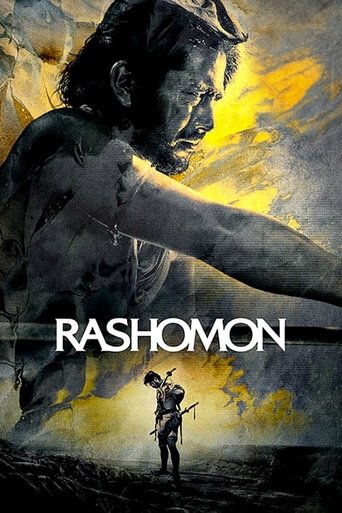
Then the world looked. Rashomon won the Golden Lion at Venice in 1951, and foreign audiences began to seek out Japanese films. Directors who had spent years perfecting their craft inside the studios found a public abroad, and made some of their finest work in the years that followed.
The signature
The people
The films


Its constellation
Legacy
In Paris, the critics of Cahiers du cinéma placed Mizoguchi above all, and Rivette and Godard wrote about him. In Hollywood, Lucas drew Star Wars from The Hidden Fortress, and Coppola produced Kurosawa's Kagemusha. In Japan, Oshima and Imamura built their New Wave against Ozu and Kurosawa, a reaction that needed the masters to push against.
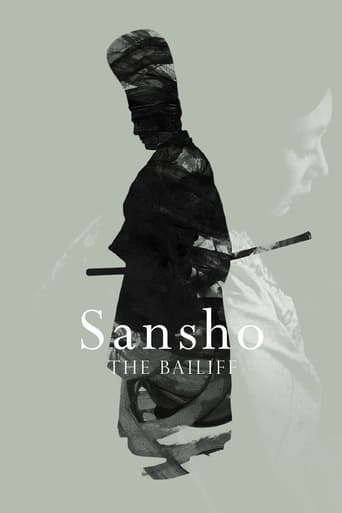
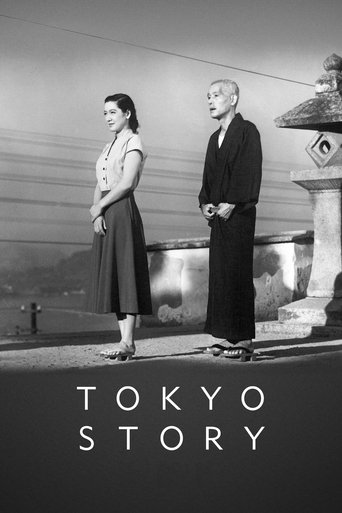
To start with: Rashomon · Tokyo Story · Sansho the Bailiff. Then the rest, in the order they came out.