

Action · Drama
Seven Samurai
Avg rating 9.2 / My rating TBC
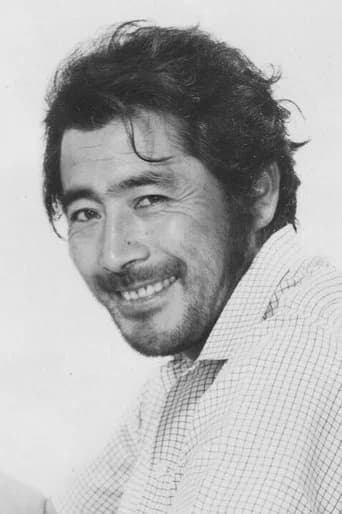
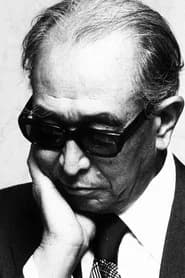
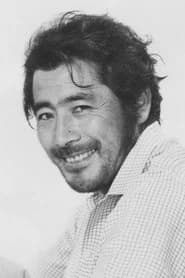
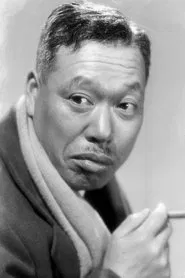
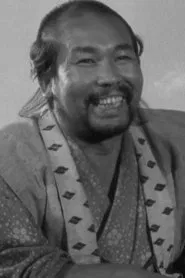
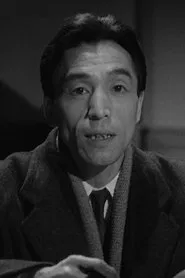
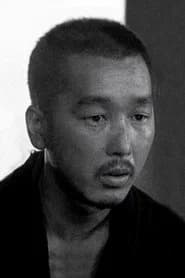
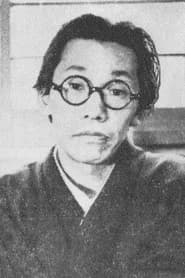
1954 · Directed by Akira Kurosawa · With Toshirō Mifune, Takashi Shimura, Yoshio Inaba
- Japanese Golden Age
- Historical Epic
- Auteur Cinema
In sixteenth-century Japan, a farming village learns that bandits will return after the harvest. The farmers set out to hire masterless samurai who will fight for little more than food. It is an epic of more than three hours that mixes tension, humour and close attention to its characters.
Film info
- Runtime
- 3h 27m · 207 min
- IMDb
- 8.6 / 10 (397,770 votes)
- Rotten Tomatoes
- 100% (critics)
- Metacritic
- 98 / 100
- TMDB
- 8.5 / 10 (audience, 4,391 votes)
- Trailer
- ▶ Watch the trailer
Before watching
Spoiler-free · about 2 minutes
Why watch this?
The template for the assembled-team action film
Akira Kurosawa's best-known work set the pattern of recruiting a band of specialists, training outsiders and preparing a defence. The Magnificent Seven remade it directly, and countless action films since have borrowed its structure.
Action staged with real clarity and weight
Kurosawa's battle sequences use multiple cameras, rain and mud, and always show where everyone stands. Spectacle here is built from geography and physical detail, not just noise and speed.
Seven people you come to know individually
The film spends its long running time giving each swordsman a distinct temperament, skill and manner, so the group never blurs into a crowd. Mifune and Shimura anchor a very rich ensemble.
Why it matters in cinema history
A defining film of the Japanese golden age and of the jidaigeki, the period drama, it showed that a samurai film could combine popular entertainment with serious social observation and reach audiences worldwide.
Watch with intention
Your lens
Watch it as a story about preparation and community, in which how people organise matters as much as how they fight.
Three things to notice
- How each samurai is introduced through a small test, gesture or episode that shows his skill and character before the group is complete.
- Where the camera and framing place villagers and samurai relative to each other, and how that changes over the film.
- The contrast between Takashi Shimura's quiet restraint and Toshirō Mifune's restless, comic physical energy.
One question to carry with you
What does each side, the farmers and the samurai, want from the other, and can either fully trust the other to provide it?
- Industry
- Japanese cinema was in a postwar golden age, with studios such as Toho producing prestige and popular films. Seven Samurai became one of the most expensive Japanese productions made up to that time.
- Director's moment
- Kurosawa had gained international attention with Rashomon (1950) and made the humane drama Ikiru (1952). This was his chance to attempt a historical action film on an unprecedented scale.
- Dominant styles
- Period swordplay films were typically stylised, often with clear heroes and villains. Hollywood westerns offered the other main model of frontier action, which Kurosawa admired and reworked.
- Technology
- Black-and-white photography in standard Academy ratio, with long telephoto lenses and several cameras filming at once, allowed the large-scale action to be captured with unusual immediacy.
Where it came from
Tradition
Jidaigeki (Japanese period drama)
Samurai films and stage traditions supplied the settings, swordplay and character types that Kurosawa both used and questioned.
Filmmaker
John Ford
Kurosawa admired Ford's westerns, with their communal rituals, landscapes and movement, which helped shape his staging of a threatened community.
Film
Rashomon (1950)On Cinespective
Kurosawa's earlier breakthrough brought him international recognition and the budget and confidence to attempt a more ambitious historical film.
This film
Seven Samurai (1954)
New at the timeIt treated a samurai adventure as a large-scale ensemble drama, with individual character, social class and action choreography given equal weight.
- Postwar Japan
- Japan had lost the Second World War in 1945 and was under Allied Occupation until 1952. By 1954 the economy was recovering, helped by Korean War procurement, but memories of hunger, ruin and displacement were still fresh.
- Questioning the old order
- Defeat discredited the militarism and feudal-style loyalty promoted before 1945. Setting the story in a war-torn sixteenth century let a postwar audience view questions of class, duty and survival in a period of upheaval.
- Occupation-era censorship
- Occupation authorities had banned many sword-fighting period films as feudal and militarist. After the ban lifted, period dramas returned, and Kurosawa made one that dealt with social tensions as well as swordplay.
- The filmmaker's situation
- Kurosawa had won international attention with Rashomon in 1950 and was an established director at Toho. He grew his own wartime-era experience into a large, ambitious project that ran far over its original schedule and budget.
- Pace
- Deliberate and unhurried. The first half is recruitment and preparation; action builds gradually, so treat it like a long journey rather than a constant thriller.
- Runtime
- About 207 minutes, with an intermission in many presentations. Shorter cuts circulated abroad for years, so seek the full-length version.
- Style
- Black-and-white, wide-ranging camerawork, vivid weather and dense crowd scenes, with broad humour mixed into serious drama.
- Performance
- Expressive and sometimes theatrical, especially from Mifune, whose loud, animated style contrasts with the calm of the other leads.
- Language
- Japanese with subtitles. Dialogue ranges from formal samurai speech to rough peasant talk.
12+
Suggested age
Teens
Ratings range from PG (GB) and TP (FR) to 16 (DE), with no US rating; 12 suits the battle violence, serious themes and 3.5-hour subtitled length.
Official ratings
- USNR
- UKPG
- Germany16
- FranceTP
Good for
Older children and teens who enjoy adventure, teamwork and memorable characters. Humour, warmth and striking action scenes sit alongside a thoughtful story about courage and community.
May unsettle
- Violence: Sword fights and large, chaotic battle scenes. Less graphic than modern action films, but often harsh and tense.
- Peril: Ordinary villagers and heroes face real danger for long stretches, with a sustained sense of threat building toward the climax.
- Mature themes: Poverty, hunger, class prejudice and mistrust between groups are central, and the story treats them seriously rather than lightly.
- Pace: At 207 minutes, with long stretches of talk and preparation, the film demands patience from younger viewers.
Explain first
- It is black and white with English subtitles, so younger viewers need to be comfortable reading along.
- Set in sixteenth-century Japan, where samurai were professional warriors above farmers in a strict class system.
- You may want to watch in two sittings; the film is over three hours long and has a natural break.
Talk about it after
What does it mean to be brave, and does it look the same for a warrior as for an ordinary person?
Cinespective's own guidance, a draft: check it against the official ratings and your own judgement. Second opinions: Common Sense Media, IMDb (see its Parents Guide). Ratings from TMDB.