Loading…


Movement · 13 of 14 in time
For a few years, studios lose control and directors raised on European cinema make American films about doubt, violence and flawed heroes.
Where it sits
Film noir · Japanese post-war golden ageNew HollywoodAmerican independent cinema · Cinéma du look
Context
America, 1967: the war in Vietnam divides the country, television has cut into cinema audiences, and the big studios are losing money on expensive films the public is not buying. The old Production Code, which for decades governed what a film could show, gives way to a ratings system in 1968.
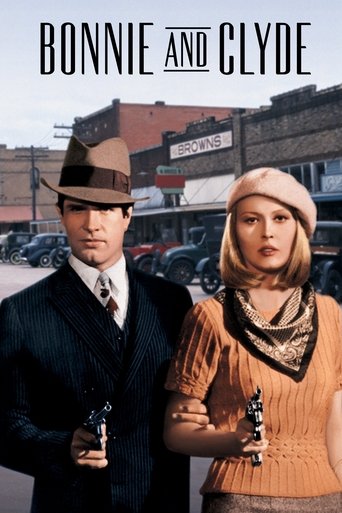
A new generation is ready. Many come from film school, criticism or television, and they have grown up on the French New Wave, Japanese cinema and the British wave. Studios, unsure what the young audience wants, hand them money and, for a few years, control. Bonnie and Clyde, in 1967, shows it can pay.
The signature
The people
The films
Its constellation
Legacy
Wherever a director is trusted with a dark, personal film, this decade is behind it. Neo-noir kept rewriting the detective, the city and the night. When the studios turned to blockbusters, the author's film moved to Sundance and Miramax. Besson and Beineix wanted American spectacle with French faces; Woo took Scorsese's men to Hong Kong, and Scorsese later remade Infernal Affairs.
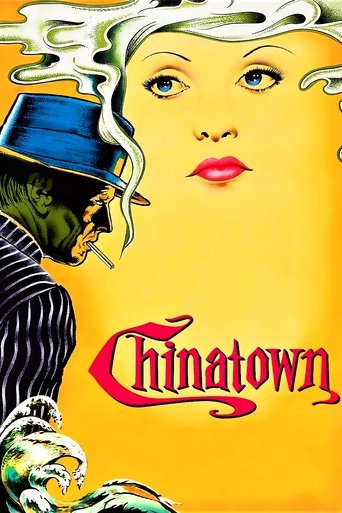

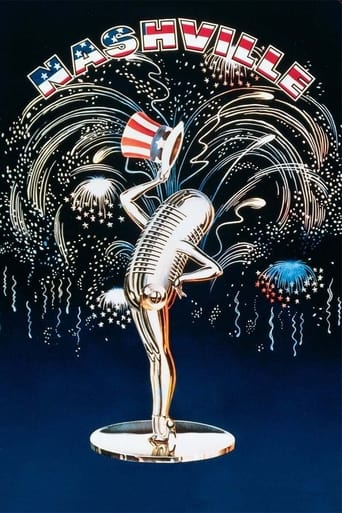
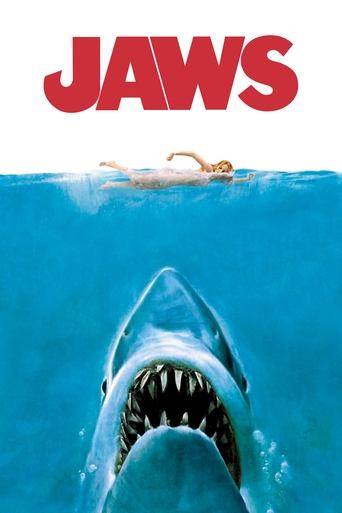
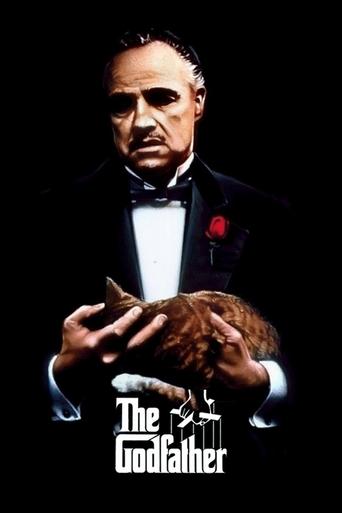
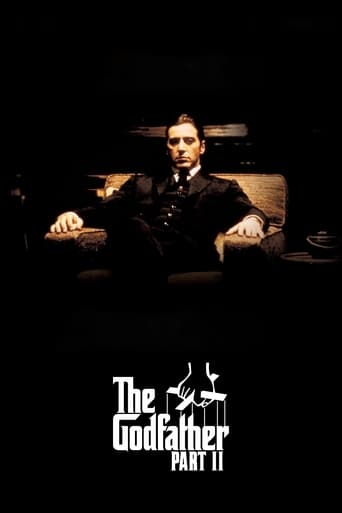
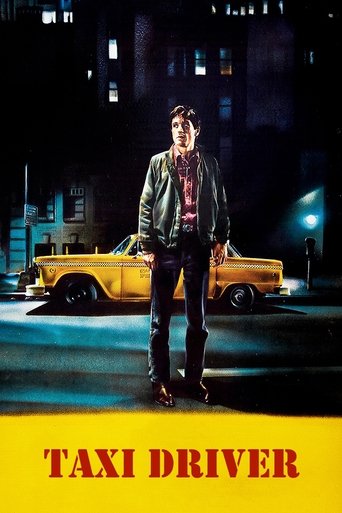
To start with: Bonnie and Clyde · The Godfather · Taxi Driver. Then the rest, in the order they came out.