Loading…


Movement · 5 of 14 in time
Hollywood crime stories told in shadow, where a doomed man, a dangerous woman and a bitter voice show how a fall happened.
Where it sits
German Expressionism · Poetic RealismFilm noirFrench New Wave · New Hollywood
Context
America in the early forties and after the war: a country at war, then at home again, with a restless public and a new unease about money, trust and what people hide. The studios turn out crime pictures quickly, often on modest budgets, adapting hard-boiled stories with almost no softening.
Europe supplies the look. Directors who had left Germany, among them Fritz Lang, Robert Siodmak and Billy Wilder, bring the Expressionist habit of shadow and the doomed hero. French poetic realism adds fog and fatalism. In 1941 the pieces come together.
The signature
The people
The films


Its constellation
Legacy
Neo-noir: in the New Hollywood years, Chinatown, The Long Goodbye and Taxi Driver rewrote the detective, the city and the night. Godard dedicated Breathless to Monogram Pictures, and Truffaut shot Shoot the Piano Player from a Goodis novel. Every rain-slicked street, every detective's voice-over, every film whose hero is already lost draws on it.
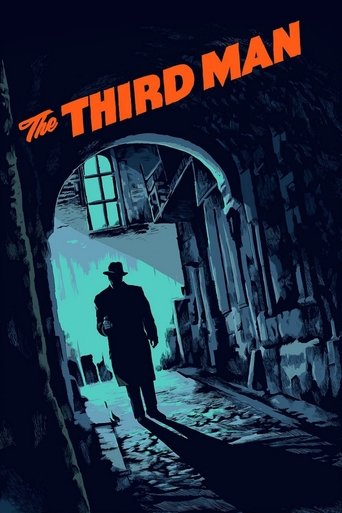
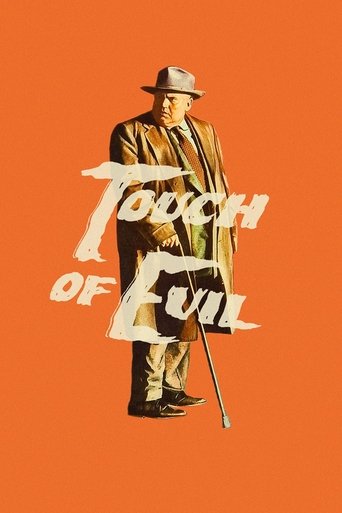
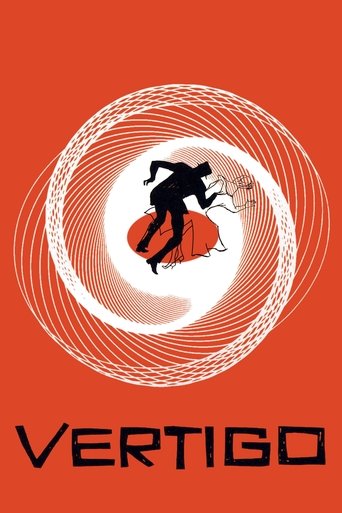
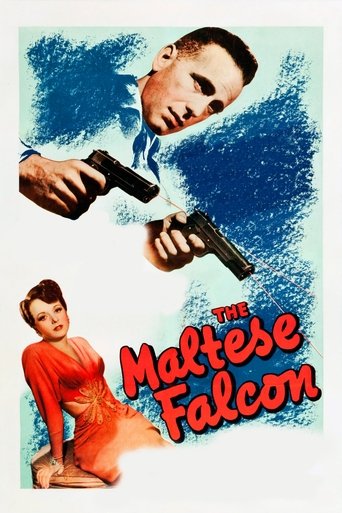
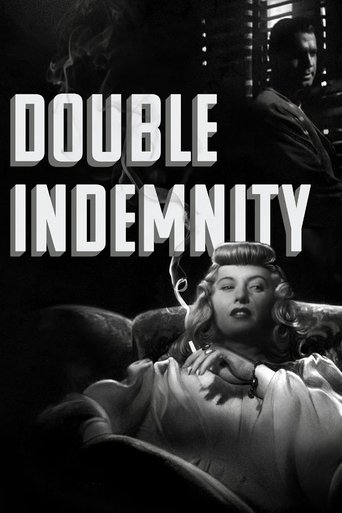
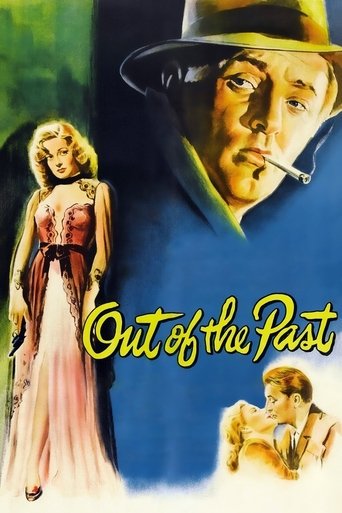
To start with: The Maltese Falcon · Double Indemnity · Out of the Past. Then the rest, in the order they came out.