

Crime · Thriller
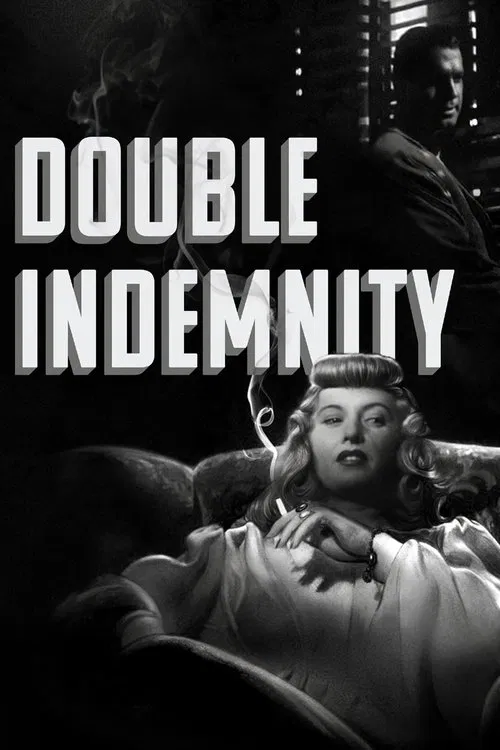
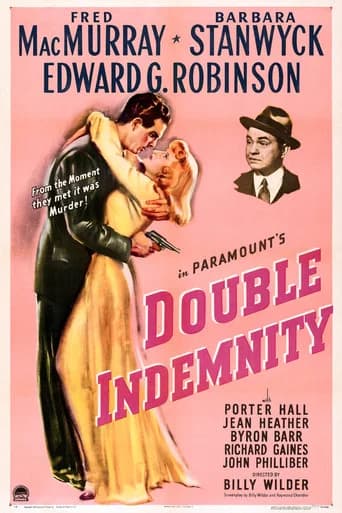
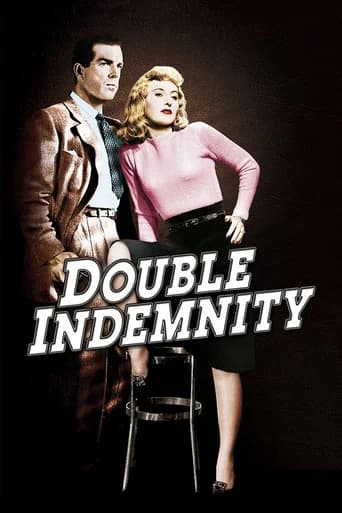
Double Indemnity
Avg rating 8.9 / My rating TBC
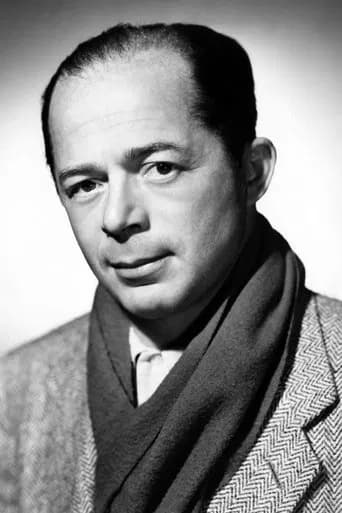
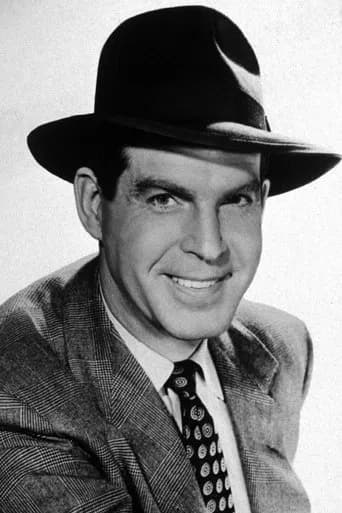
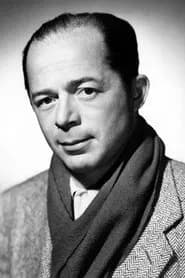
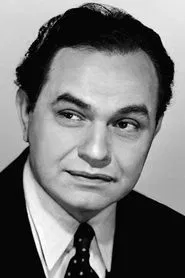
1944 · Directed by Billy Wilder · With Fred MacMurray, Barbara Stanwyck, Edward G. Robinson
- Film Noir
- Classical Hollywood
- Suspense
An insurance salesman calls at a sunlit Los Angeles house to renew a policy and meets the owner's wife. A flirtation becomes a carefully engineered plan, told in the salesman's own wry, hard-boiled voice, while a sharp-eyed claims manager sits a few offices away.
Film info
- Runtime
- 1h 47m · 107 min
- IMDb
- 8.3 / 10 (176,771 votes)
- Rotten Tomatoes
- 97% (critics)
- Metacritic
- 95 / 100
- TMDB
- 8.1 / 10 (audience, 2,104 votes)
- Trailer
- ▶ Watch the trailer



Before watching
Spoiler-free · about 2 minutes
Why watch this?
The film that fixed what noir looks and sounds like
Billy Wilder's thriller is often treated as the template for classic film noir: first-person narration, slatted shadows, clipped dialogue and an ordinary man caught in a moral trap, co-written with Raymond Chandler.
A sharp, funny script from two great stylists
Wilder and Chandler adapted James M. Cain's novella into dialogue that crackles with wit and menace. The words are as much a pleasure as the images.
Star performances against type
Fred MacMurray, usually an affable leading man, and Barbara Stanwyck, in a blonde wig, play against their screen images. Edward G. Robinson adds a warm, rumpled counterweight.
Why it matters in cinema history
A defining film of the 1940s crime cycle that critics later labelled noir. It showed that Hollywood could handle sordid, adult material inside the Production Code, and it set the visual and verbal pattern for many later crime films.
Watch with intention
Your lens
Watch it as a story told with style: every line of narration and every pattern of light is trying to charm you.
Three things to notice
- How the voiceover colours what you see: it is witty, confident and persuasive, and it shapes your sympathies.
- Shadows and light through Venetian blinds, and how often the frame seems to cage the characters.
- The dialogue exchanges, especially early on, where every polite phrase carries a second meaning.
One question to carry with you
Whose side are you on, and how did the film get you there?
- Industry
- Paramount made it under the Production Code, which discouraged sympathetic criminals and detailed murder plots. Cain's story had been considered unfilmable for years before Wilder took it on.
- Dominant styles
- Wartime Hollywood favoured morale-boosting dramas, musicals and war films. Hard-boiled crime fiction was only beginning to reach the screen, after films such as The Maltese Falcon in 1941.
- Technology
- Black-and-white studio photography by John Seitz used hard, directional light and deep shadow. The look drew on the work of European émigré filmmakers who had shaped Hollywood style.
- Director's moment
- Wilder, an Austrian-born émigré and until then a screenwriter turned director, had made only a few films in Hollywood. This one established him as a major director.
Where it came from
Filmmaker
James M. Cain
His hard-boiled novella supplied the story. Its sordid, plain-spoken view of desire and crime was long thought unfilmable under the Production Code.
Film
The Maltese Falcon (1941)
John Huston's detective film brought hard-boiled fiction and shadowy studio style to Hollywood, preparing audiences and the industry for noir.
Movement
German Expressionism
Its high-contrast lighting and mood passed into Hollywood through émigré filmmakers, Wilder among them, and shaped noir's look.
This film
Double Indemnity (1944)
New at the timeA mainstream studio picture built on an ordinary salesman's sardonic voiceover and an everyday, sordid plot, material the Code had long discouraged.
- Country and moment
- The US was deep in the Second World War in 1943–44. Audiences were anxious, and many were living with rationing, separation and upheaval, yet the film is set in ordinary, sunlit suburban Los Angeles.
- Politics and censorship
- James M. Cain's source novel had been judged unfilmable by the Production Code office in the 1930s because of its sordid subject matter. Only in the 1940s could Paramount adapt it, and still with careful negotiation.
- Society and audience
- Wartime America was changing, with women working and traditional home life disrupted. Postwar-minded crime stories of this period reflected growing cynicism about respectability, money and ordinary American life.
- The filmmaker's situation
- Wilder had fled Nazi Germany in 1933 and was building a Hollywood career as an émigré. This was his first film with novelist Raymond Chandler, and his first without his usual writing partner Charles Brackett.
- Pace
- Brisk and dialogue-driven. It is tightly plotted with little wasted time, and its tension comes from conversation rather than action.
- Style
- Classic noir: high-contrast lighting, a Los Angeles of dim interiors and bright, hard daylight, and an ironic first-person voiceover.
- Performance
- Heightened and stylised, with rapid, deadpan delivery. Stanwyck and MacMurray play cool surfaces with something stirring beneath.
- Colour/B&W
- Black and white, in the standard 1.37:1 ratio of the period.
- Language
- English. The slang and insurance jargon of the 1940s may need a moment's attention.
12+
Suggested age
Teens
Official ratings are lenient (PG in Britain, FSK 6, all audiences in France, unrated in the US), but this dialogue-heavy adult crime story suits about 12 and up.
Official ratings
- USNR
- UKPG
- Germany6
- FranceTP
Good for
Teens curious about classic film will enjoy the sharp, witty dialogue, moody black-and-white photography and a gripping, suspenseful story. A great first film noir to discuss together.
May unsettle
- Violence: Occasional violence, mostly implied and non-graphic by modern standards, with a tense, serious tone.
- Mature themes: Greed, deception and morally compromised characters drive the story; attraction is conveyed through innuendo rather than shown.
- Intensity: Sustained suspense and a cynical, fatalistic mood run throughout.
- Pace: Talky and reliant on voice-over narration, which can test younger viewers' attention.
Explain first
- This is a 1940s black-and-white film noir: a style with shadowy lighting, fast talk, cynical narration and morally murky characters rather than clear heroes.
- Insurance is central to the story. A quick explanation of what insurance policies and claims investigators do will help younger viewers follow along.
- Smoking is constant and casual, as was normal in films of the era.
Talk about it after
Does the film want you to sympathise with its main characters, and how do the narration, music and lighting shape how you feel about them?
Cinespective's own guidance, a draft: check it against the official ratings and your own judgement. Second opinions: Common Sense Media, IMDb (see its Parents Guide). Ratings from TMDB.