Loading…

Movement · 2 of 14 in time
Fear is painted on the set: distorted streets, shadows that lie, and the mind shown from the inside.
Where it sits
The first filmsGerman ExpressionismFilm noir · Poetic Realism
Context
Germany in 1919: the war lost, the empire gone, a new republic unsteady and money losing its value. A generation of painters, playwrights and poets had already answered this kind of anxiety with distortion, harsh colour and angular forms, showing inner feeling rather than the visible world.
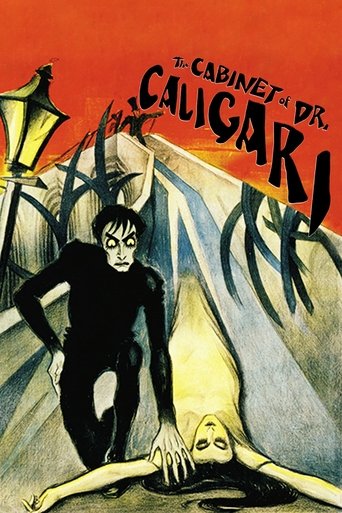
German studios could build whole worlds indoors, with skilled designers, painters and carpenters, and control every line and every shadow. In 1920 The Cabinet of Dr. Caligari translated the painters' look to film, and the set itself became the character's state of mind. A cinema of built nightmares followed.
The signature
The people
The films
Its constellation
Legacy
Universal's horror cycle, from Frankenstein on, took its crooked sets and deep shadow. The émigrés, among them Lang, Siodmak, Wilder and Ulmer, carried the low key and the doomed hero into film noir. Carné's studio streets and fog in poetic realism owe their fatal atmosphere to these sets. Citizen Kane and The Night of the Hunter still use tilted shadows to show a mind.
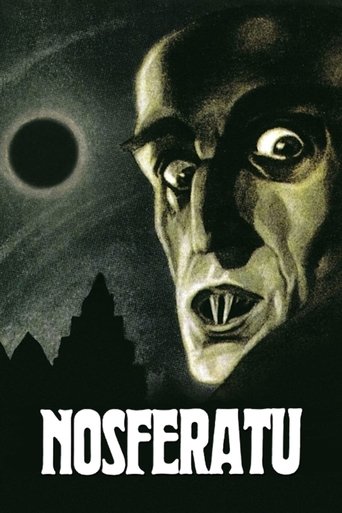
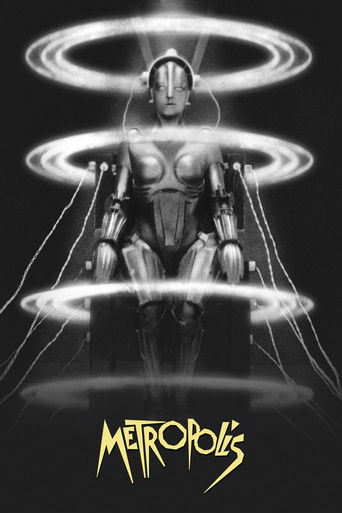
To start with: The Cabinet of Dr. Caligari · Nosferatu · Metropolis. Then the rest, in the order they came out.