

Drama · Horror · Thriller · Crime
The Cabinet of Dr. Caligari
Avg rating 8.5 / My rating TBC
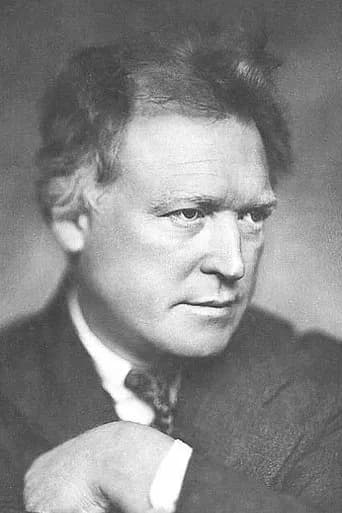
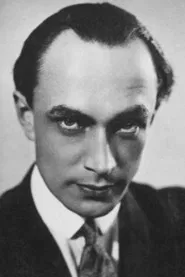
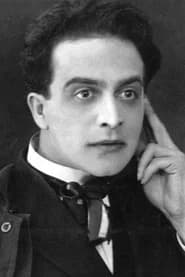
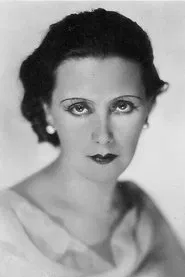
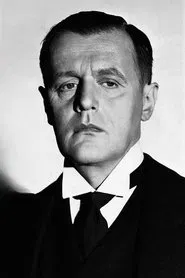
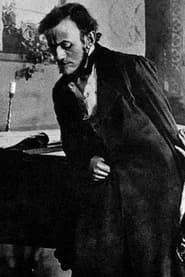
1920 · Directed by Robert Wiene · With Werner Krauss, Conrad Veidt, Friedrich Fehér
- German Expressionism
- Silent Cinema
- Horror
- Art Cinema
In a small German town, a travelling showman arrives at the fair with a sleepwalker he claims can foretell the future. Soon a series of deaths unsettles the community, and a young man begins to investigate. A silent horror tale told in a deliberately unreal, painted world.
Film info
- Runtime
- 1h 17m · 77 min
- Format
- Silent film with intertitles, running 77 minutes. The score by Giuseppe Becce is associated with the film, though many screenings use different music.
- IMDb
- 8.0 / 10 (74,697 votes)
- Rotten Tomatoes
- 96% (critics)
- TMDB
- 7.9 / 10 (audience, 1,830 votes)
- Trailer
- ▶ Watch the trailer
Before watching
Spoiler-free · about 2 minutes
Short on time? Spoiler-free
A 3-minute summary
Why watch this?
The founding landmark of German Expressionist cinema
Released in 1920, it is the film that brought Expressionism to the screen and the most famous example of the style. It made Weimar-era German film an international talking point.
Production design becomes the main attraction
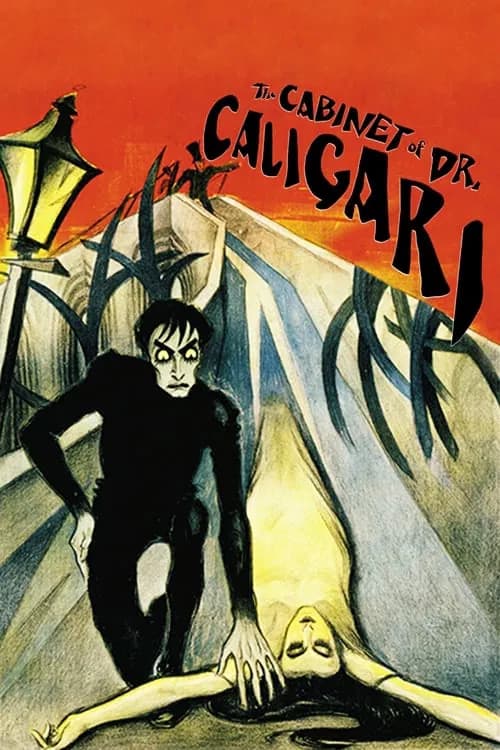
Painted shadows, slanting walls and sharp-angled streets make the sets as striking as any performer. Few films show so plainly what design can do when realism is set aside.
A template for the horror and thriller to come
Its fairground menace, eerie figures and shadowy streets created a visual vocabulary that later horror films, thrillers and gothic fantasies kept returning to.
Why it matters in cinema history
A defining film of German Expressionism and one of the earliest feature films to be treated as art in its own right, it set the look of screen horror for decades.
Watch with intention
Your lens
Watch it as a moving painting, where design and gesture carry the meaning as much as the story does.
Three things to notice
- The painted shadows, crooked windows and angled streets: note how few lines in the frame are straight or true to ordinary perspective.
- The acting style: stylised, gestural movement, from Conrad Veidt's slow, gliding body to Werner Krauss's hunched, fussy menace.
- The tinted colour and the iris shots that open and close scenes, which set mood and direct your eye like punctuation.
One question to carry with you
What can a deliberately artificial world make you feel that a realistic one cannot?
- Industry
- After the First World War, Germany's film industry was isolated from foreign imports. Studios such as Decla needed distinctive, low-cost films that could stand out at home and abroad.
- Dominant styles
- Most European cinema of 1920 favoured realistic locations, theatrical staging and literary adaptations. Fantasy existed, but its look usually stayed close to ordinary naturalism.
- Movements
- Expressionism was already established in German painting, theatre and graphic art, with distorted forms and exaggerated emotion. Cinema had barely taken it up before this film.
- Technology
- Silent film with tinted film stock, shot on studio stages. Painted flats could substitute for expensive location work and give the studio total control over the image.
Where it came from
Movement
Expressionist art and theatre
German painting and stage design had already used distorted forms and exaggerated emotion. The film transfers that visual language to the screen.
Tradition
German Romantic and Gothic fantasy
Tales of sinister showmen, uncanny figures and shadowy towns supply the story's characters and atmosphere.
Film
The Student of Prague (1913)
An earlier German fantasy feature that showed supernatural tales could draw serious audiences and make use of film's special effects.
This film
The Cabinet of Dr. Caligari (1920)
New at the timePainted, openly artificial sets replaced realistic locations, turning production design into the film's chief expressive tool.
- Country and moment
- Shot in 1919 and released in February 1920, the film emerged from a Germany shaken by defeat in the First World War, the fall of the Kaiser and the unstable early Weimar Republic.
- Economy
- Inflation and shortages made materials costly. Painted sets and stylised lighting were partly a practical answer for Decla, a small studio working on a modest budget.
- Society and audience
- Many Germans were left with war trauma, mistrust of authority and anxiety about obedience and control. A story about madness, power and manipulation spoke to those moods.
- The filmmaker's situation
- Robert Wiene took over the project from other directors. The film was made by a team that included artists from the Expressionist circle, and it was one of the first German films to win attention abroad after the war.
- Format
- Silent film with intertitles, running 77 minutes. The score by Giuseppe Becce is associated with the film, though many screenings use different music.
- Colour
- Black and white, usually shown in restored colour tints (amber, blue, green) that indicate time of day and mood.
- Style
- Highly stylised: flat painted sets, exaggerated makeup and theatrical, stylised acting. Treat it as a stage-like, nightmarish fable, not realism.
- Pace
- Brisk for its era, built from short scenes. Silent-film acting may feel broad at first, but it settles quickly.
- Versions
- Surviving prints differ in tinting, intertitle design and music. A modern restoration is strongly recommended over older, scratched copies.
12+
Suggested age
Teens
German and French ratings are 12, while the BBFC rates it U and the US has no rating; 12 suits the murder theme and the demands of a silent, subtitled film.
Official ratings
- USNR
- UKU
- Germany12
- France12
Good for
Older children and teens curious about silent film will enjoy the striking painted sets, shadows and exaggerated acting, and the chance to see where horror cinema's look began.
May unsettle
- Scary imagery: Distorted, nightmarish sets and a pale, ghostly figure create an eerie mood that may unsettle sensitive children.
- Violence: Several killings are implied or shown briefly and without gore, but the threat is sinister throughout.
- Peril: A young woman is placed in danger, with a tense chase sequence.
- Pace: It is silent and black and white, with dialogue on text cards and theatrical acting. Younger children may lose patience.
Explain first
- It is a silent film from 1920: story and dialogue appear on text cards, and the actors use big, stylised movements instead of natural ones.
- The twisted, painted sets are deliberate. They belong to the German Expressionist style, which shows feelings and moods rather than realistic places.
Talk about it after
How did the strange sets, lighting and costumes make you feel, and what did they tell you about the characters?
Cinespective's own guidance, a draft: check it against the official ratings and your own judgement. Second opinions: Common Sense Media, IMDb (see its Parents Guide). Ratings from TMDB.