


Drama · Science Fiction
Metropolis
Avg rating 8.9 / My rating TBC
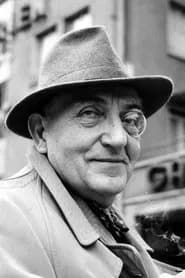
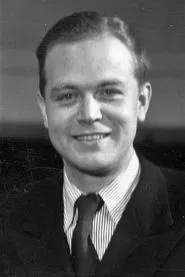
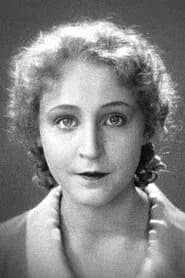
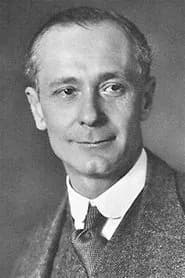
1927 · Directed by Fritz Lang · With Gustav Fröhlich, Brigitte Helm, Alfred Abel
- Silent Cinema
- German Expressionism
- Science Fiction
In a towering future city, the wealthy rule from gleaming skyscrapers while an underground workforce keeps the machines running. The pampered son of the city's master is drawn into that hidden world, and a mad inventor and a young woman preaching patience pull at the fragile order.
Film info
- Runtime
- 2h 28m · 148 min
- Format
- Silent, black and white, roughly 4:3 frame, with intertitles. The restored version carries Gottfried Huppertz's original orchestral score.
- IMDb
- 8.2 / 10 (199,601 votes)
- Rotten Tomatoes
- 97% (critics)
- Metacritic
- 98 / 100
- TMDB
- 8.1 / 10 (audience, 3,213 votes)
- Trailer
- ▶ Watch the trailer
Before watching
Spoiler-free · about 2 minutes
Short on time? Spoiler-free
A 3-minute summary
Why watch this?
The film that set the look of screen science fiction
Fritz Lang's 1927 epic is the founding blueprint of the cinematic future city: vertical skylines, vast machinery, and a divided society. Later science fiction, from Blade Runner onward, keeps borrowing from it.
The height of German silent spectacle
Metropolis was the most expensive film UFA had made. Thousands of extras, enormous sets and ingenious trick photography show what silent cinema could achieve at full scale.
A story about class that still reads as current
Its picture of a ruling few above a working many, and of technology as both promise and threat, is blunt, but it gives the images a force that outlasts the plot's simplicity.
Why it matters in cinema history
A defining late-Expressionist film and the first great science-fiction epic, it brought Weimar-era design, architecture and special effects together on a scale that no European studio matched again.
Watch with intention
Your lens
Watch it as a film built from architecture: ask how bodies, buildings and machines are arranged to express who holds power.
Three things to notice
- How crowds move: the workers shuffle in rigid, synchronised lines, while the privileged characters move freely and decoratively.
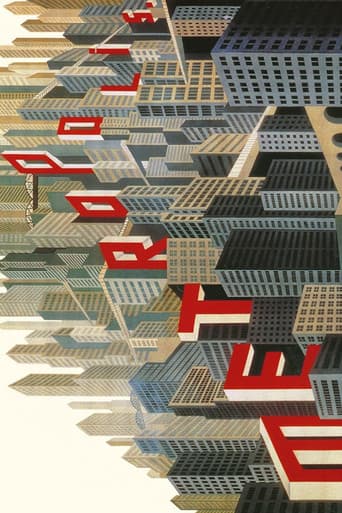
- How the city is arranged vertically, with light and height linked to wealth and depth to labour.
- How the acting is stylised, with wide gestures and wide-eyed stares meant to carry emotion without sound.
One question to carry with you
When a film shows a divided society, where does it place the viewer: above, below, or between the two?
- Industry
- Germany's UFA studio was competing with Hollywood. Metropolis was meant as a prestige blockbuster, and its cost strained the company badly.
- Dominant styles
- German Expressionism favoured stylised sets, dramatic light and shadow, and heightened acting. By 1927 the movement was fading, and Lang merges it with a modern, architectural sensibility.
- Technology
- Special effects were done in camera. The Schüfftan process used mirrors to place actors inside miniature cityscapes, and multiple exposures built crowds and machines.
- Audience
- Postwar Germany was marked by inflation, labour unrest and fascination with America's machine age. Viewers were primed for stories about industrial society and its tensions.
Where it came from
Movement
German Expressionism
Stylised sets, dramatic lighting and heightened performance come from this tradition, here scaled up from small studio nightmares to a modern epic.
Film
Dr. Mabuse the Gambler (1922)
Lang's earlier tale of control and manipulation features Rudolf Klein-Rogge, who returns here as the inventor. It shows Lang's interest in power and mastermind figures.
Film
Die Nibelungen (1924)
Lang and Harbou's monumental two-part saga built vast stylised sets and mythic spectacle, preparing the ground for Metropolis.
This film
Metropolis (1927)
New at the timeFew films before it had imagined an entire future society on this scale, with architecture, crowds, machines and effects designed as a single world.
- Country and moment
- Germany in 1925–26 was in the Weimar Republic's relatively calm middle years. Hyperinflation had ended in 1923 and American loans were funding recovery, but defeat in the First World War and political violence were recent memories.
- Class and industry
- Rapid industrialisation, mass factory work and strong labour movements made the gap between owners and workers a live public issue. The film's divided city draws on these fears and on contemporary awe at American-style modernity.
- Economy and risk
- Ufa, the leading German studio, backed an enormously costly production, with a budget far beyond usual German films. Its heavy losses contributed to the studio's financial crisis and a rescue deal with American companies.
- The filmmaker's situation
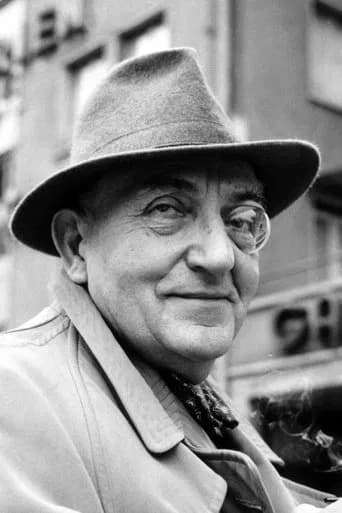
- Fritz Lang was an Austrian-born director who had established himself in Weimar cinema. Thea von Harbou, his wife and collaborator, wrote the script, and Lang said a visit to New York in 1924 inspired the city's look.
- Pace
- Deliberate and operatic. Long set pieces alternate with melodramatic plot, so settle into its rhythm rather than expecting modern speed.
- Performance
- Heightened silent-era acting with expressive faces and large gestures. Treat it as stylised, closer to dance or opera than realism.
- Format
- Silent, black and white, roughly 4:3 frame, with intertitles. The restored version carries Gottfried Huppertz's original orchestral score.
- Versions
- Cut heavily after its premiere and long seen in shortened form. The 148-minute restoration is the fullest, with a few damaged inserts and explanatory titles.
- Tone
- Earnest and allegorical. Its social message is simple and sentimental, while the imagery is the main attraction.
10+
Suggested age
Older children
Ratings range from GB PG and DE 6 to a FR 12 listing, with no US rating. Content is mild, but length and silent style suit confident older children.
Official ratings
- USNR
- UKPG
- Germany6
- France12 / TP
Good for
Children who enjoy grand sci-fi spectacle, towering city designs, robots and inventors. It's a landmark of early cinema that looks astonishing and sparks big conversations about fairness.
May unsettle
- Peril: Several large-scale sequences of danger and disaster, including children in jeopardy, shown with dramatic, heightened silent-film staging.
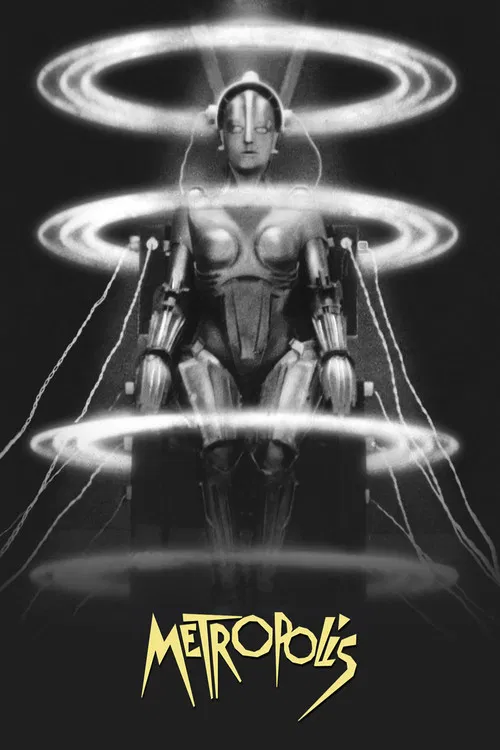
- Scary imagery: A sinister laboratory, a mechanical figure and hallucinatory visions are eerie and can feel creepy to younger viewers.
- Mob violence: Angry crowds, chaos and some physical struggles. Nothing is graphic, but the energy is frantic and loud in feel.
- Pace: Long and silent with text cards and theatrical acting. Younger children may lose the thread or patience.
Explain first
- It is a silent black-and-white film, so the story is told through pictures, music and text cards. Expect exaggerated, dramatic acting.
- Made in 1927, it imagines a future city where rich people live in luxury while workers labour underground.
Talk about it after
The film shows a city split between those who plan and those who work. What do you think each group needs to understand about the other?
Cinespective's own guidance, a draft: check it against the official ratings and your own judgement. Second opinions: Common Sense Media, IMDb (see its Parents Guide). Ratings from TMDB.