

Drama · Romance
Sunrise
Avg rating 8.8 / My rating TBC
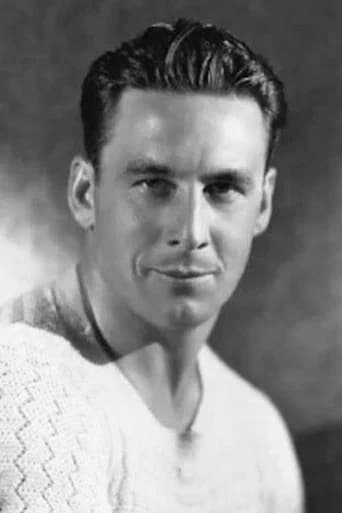
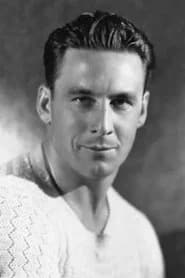
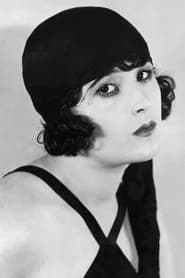
1927 · Directed by F.W. Murnau · With George O'Brien, Janet Gaynor, Margaret Livingston
- Silent Cinema
- German Expressionism
- Melodrama
- Classical Hollywood
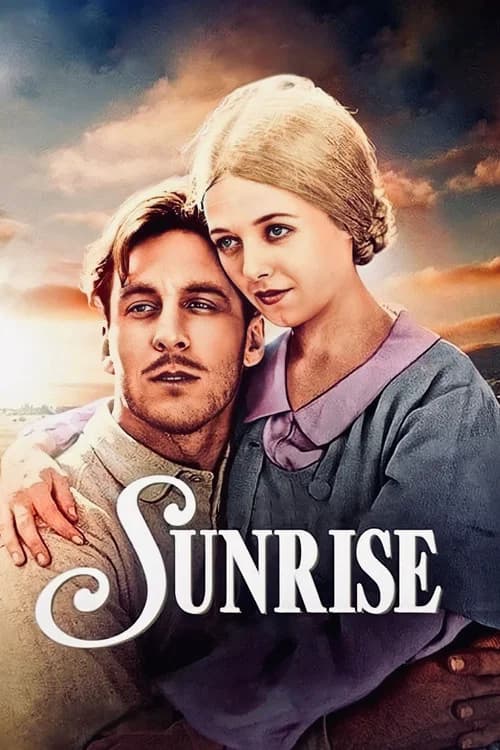
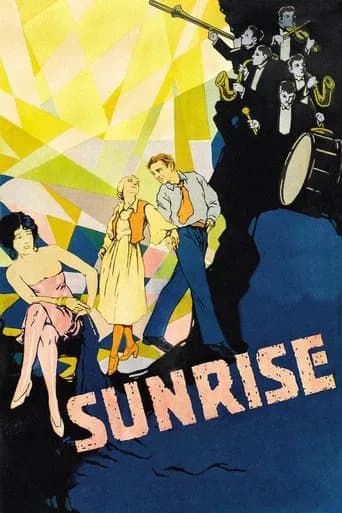
A farmer's marriage is unsettled by a woman from the city who has come to the village for the summer. One day the husband asks his wife to come away with him on a trip. Part fable, part love story, told almost entirely through images and music.
Film info
- Runtime
- 1h 34m · 94 min
- Format
- Black and white, in a near-square frame. Restored versions with the original score are the best choice.
- IMDb
- 8.1 / 10 (55,712 votes)
- Rotten Tomatoes
- 98% (critics)
- Metacritic
- 95 / 100
- TMDB
- 7.8 / 10 (audience, 935 votes)
- Trailer
- ▶ Watch the trailer

Before watching
Spoiler-free · about 2 minutes
Why watch this?
The summit of German silent style, made in Hollywood
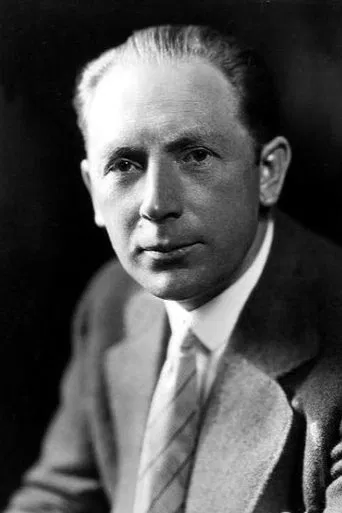
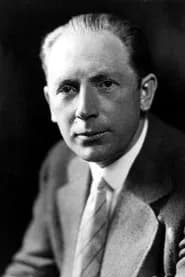
This was F.W. Murnau's first American film. Fox gave the director of Nosferatu and The Last Laugh a large budget and real freedom. The result is the most lavish version of German visual technique ever put on screen.
A film that tells its story through the camera
Almost no dialogue is written out. Moving camerawork, superimpositions and built-to-scale sets carry the emotion. Few silent films show so clearly how much images alone can say.
A simple story with unusual emotional range
The plot is a fable, but it moves between menace, tenderness and slapstick comedy without strain. Janet Gaynor's performance shows why silent acting could be so direct.
Why it matters in cinema history
A defining film of late silent cinema, Sunrise is where German Expressionist craft meets the Hollywood studio system. It also arrives just as synchronized sound is beginning to reshape the medium.
Watch with intention
Your lens
Watch it as a story told by the camera: let the images do the explaining, and treat the few title cards as secondary.
Three things to notice
- How often the camera moves, and how it follows characters through space instead of cutting between fixed views.
- The contrast between the village and the city in light, set design and the pace of the editing.
- How superimposed images are used to show what a character is thinking or imagining.
One question to carry with you
The characters are called only The Man, The Wife and The Woman from the City. What does the film gain by leaving them without names?
- Technology
- Fox released Sunrise with a synchronized Movietone score and sound effects recorded on the film itself. There is no spoken dialogue, but the music was fixed rather than left to each theatre's orchestra.
- Industry
- Hollywood studios were recruiting European talent. William Fox brought Murnau to California with a large budget, and Murnau brought his own screenwriter and designer.
- Dominant styles
- German cinema of the 1920s favoured stylised sets, expressive lighting and a camera freed from the tripod. Murnau's The Last Laugh (1924) was the key example.
- Director's moment
- Murnau was already famous for Nosferatu (1922) and Faust (1926). Sunrise tested whether his style could work in a sunlit American setting.
Where it came from
Film
The Last Laugh (1924)
Murnau and Carl Mayer's earlier film proved that a story could be told with almost no intertitles and a camera that moves freely.
Movement
German Expressionism
Stylised sets, dramatic lighting and psychological imagery from German silent cinema shape the look of the film.
Film
Nosferatu (1922)On Cinespective
Murnau's own earlier work showed his command of atmosphere, nature imagery and expressive composition.
This film
Sunrise (1927)
New at the timeIt treated a plain domestic tale with the scale and fluid camerawork of a grand spectacle, and it told the story through images instead of captions.
- Germany to Hollywood
- After German cinema's boom in the mid-1920s, Hollywood recruited its top talent. William Fox brought Murnau to the USA with large resources and creative freedom, making this his first American film.
- Country and moment
- The late 1920s saw rapid urbanisation in both Germany and the USA. The film's contrast between countryside and big city reflects a real tension of the period, as many people left rural life for the cities.
- The filmmaker's situation
- Murnau had made his name with Weimar-era films such as Nosferatu and The Last Laugh. Fox gave him a lavish budget, a German crew and enormous studio sets, which was unusual for a newcomer.
- Society and audience
- American audiences in the prosperous late 1920s were used to big-city entertainment and mass leisure. Murnau, a European arrival, offered a story grounded in a simple, universal human situation rather than in any specific time or place.
- Pace
- Unhurried and rhythmic. Early scenes are slow and atmospheric, and the middle section is more playful and episodic.
- Style
- Expressive and fable-like, with stylised acting that is more restrained than in many silent melodramas.
- Sound
- Silent apart from a synchronized orchestral score and effects. There are very few intertitles and no spoken dialogue.
- Format
- Black and white, in a near-square frame. Restored versions with the original score are the best choice.
- Tone
- Moves between dark menace, comedy and sentiment. Accept the simple moral framework and watch how it is staged.
8+
Suggested age
Older children
Ratings are DE 6, FR U and US unrated; 8 is suggested because of the silent format, on-screen text and some serious, tense moments.
Official ratings
- USNR
- Germany6
- FranceU
Good for
Children who enjoy visual storytelling may like the expressive acting, inventive camerawork, lively fairground and city scenes, and moments of humour. It's a good, gentle introduction to silent cinema.
May unsettle
- Mature themes: Serious adult emotional tensions drive the story, shown through intense expressions and mood rather than explanation. Younger children may need help following them.
- Peril: Some tense, dramatic sequences involving danger, including scenes at night and in bad weather.
- Pace: Silent, black-and-white and theatrical in style, with a measured pace in places that may test younger viewers' attention.
Explain first
- There is no spoken dialogue. The story is told through images, music and short text cards, so you may want to read them aloud.
- The acting is deliberately big and expressive, as was usual in silent films. It's a style, not overacting.
- The film is nearly a century old and black and white, with a mix of rural and early big-city life.
Talk about it after
How did the film show you what the characters were feeling without spoken dialogue? Which image or expression stays with you most?
Cinespective's own guidance, a draft: check it against the official ratings and your own judgement. Second opinions: Common Sense Media, IMDb (see its Parents Guide). Ratings from TMDB.