Loading…


Movement · 4 of 14 in time
French films of the thirties set tenderness against doom: studio-built streets, working-class heroes, and a fate they cannot escape.
Where it sits
German Expressionism · French Impressionism and SurrealismPoetic RealismItalian Neorealism · Film noir
Context
France in the mid-thirties: the Depression has arrived, the Popular Front government of 1936 raises workers' hopes, and fear of another war grows across Europe. Sound is now established, and French studios work fast, with gifted writers, designers and stars that a large public loves.
Directors who came out of the Paris avant-garde of the twenties turn to ordinary people: sailors, soldiers, labourers, small-time crooks, lovers. The stories are small and fate is large. The movement ends in 1940, when war and occupation break French cinema.
The signature
The people
The films
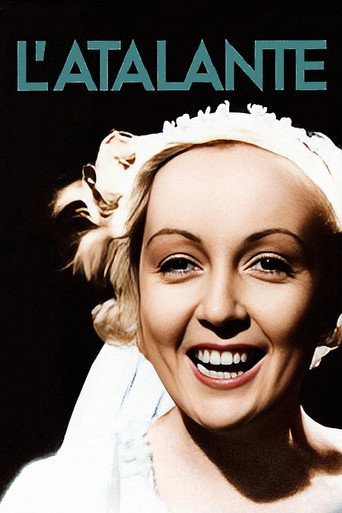

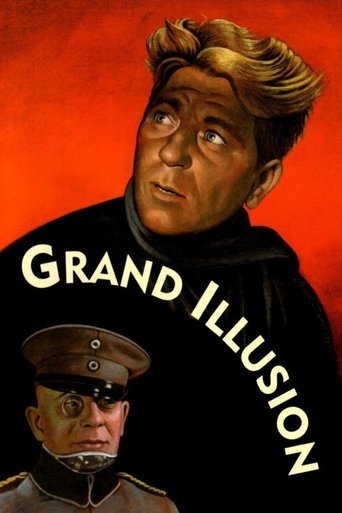
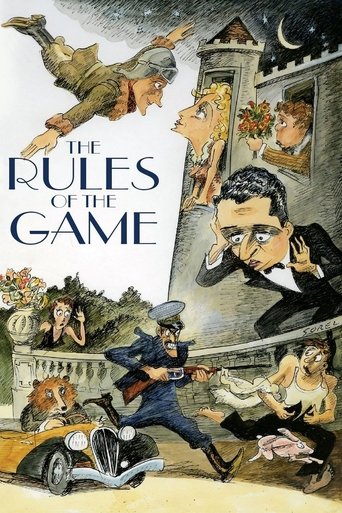
To start with: Pépé le Moko · Grand Illusion · Le Jour se lève. Then the rest, in the order they came out.
Its constellation
Legacy
Poetic realism lives on in film noir, which took its fog, its fatalism and its hero who cannot escape, and in Italian neorealism, which took Renoir's work on location. Vigo became a model for the New Wave. The mood carried into postwar French films such as Monsieur Vincent, The Walls of Malapaga and Sundays and Cybele.