Loading…

Movement · 1 of 14 in time
French filmmakers turned the camera into a mind, using superimposition, dreams and shocking images to show what lies beneath ordinary life.
Where it sits
The first filmsFrench Impressionism and SurrealismPoetic Realism · French New Wave
Context
France after the First World War: the country is exhausted, and Hollywood fills its screens. Film is still young, and its defenders are trying to show that it is an art in its own right. In Paris, small cinemas and film societies give serious viewers a place to meet, and a few directors begin to think of cinema as closer to music or poetry than to theatre.
In the same years, the poets and painters of Paris are turning to the irrational. André Breton publishes the first surrealist manifesto in 1924, and dreams, chance and desire become serious material for art. Cinema, which can lay one image over another and cut anything against anything, offers both circles a tool no other art has.
The signature
The people
The films
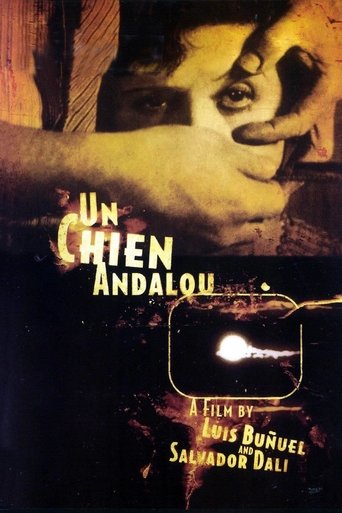
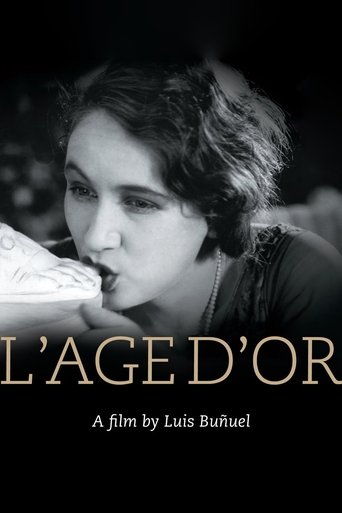
Its constellation
Legacy
Buñuel's late satires, Viridiana and The Discreet Charm of the Bourgeoisie, kept the method alive. Maya Deren's Meshes of the Afternoon and David Lynch's Blue Velvet drew on dream logic and the uncanny everyday. Jean Vigo and Jean Renoir turned the lyrical camera to ordinary lives; Resnais, Marker and Varda revived its play with memory; Noé, Denis and Breillat inherited the shock image.
To start with: Napoléon · The Fall of the House of Usher · Un Chien Andalou. Then the rest, in the order they came out.