

Horror · Fantasy
Nosferatu
Avg rating 8.4 / My rating TBC
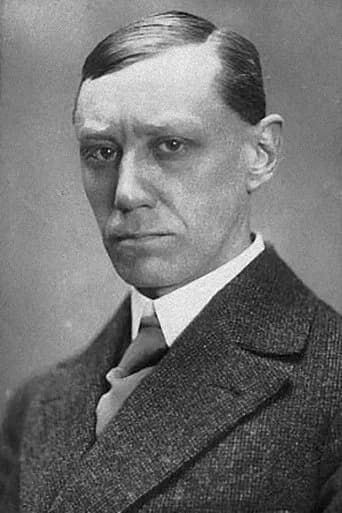
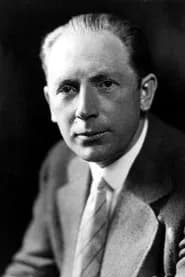
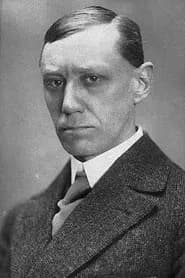
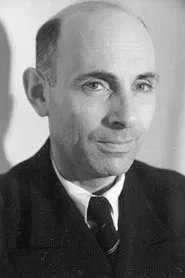
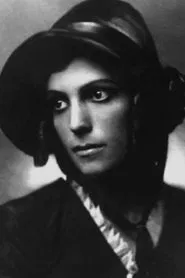
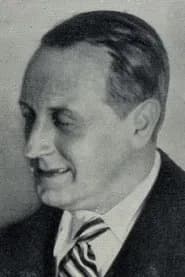
1922 · Directed by F.W. Murnau · With Max Schreck, Gustav von Wangenheim, Greta Schröder
- Silent Cinema
- German Expressionism
- Horror
A young property agent leaves his devoted wife and travels to the Carpathian mountains to close a deal with a reclusive nobleman, Count Orlok. The journey grows stranger at every stage. A silent, unauthorised take on Dracula, told as a slow, uneasy fairy tale.
Film info
- Runtime
- 1h 34m · 94 min
- Format
- Silent film with German intertitles, usually shown with English subtitles. A restored print comes with a recorded orchestral score.
- IMDb
- 7.8 / 10 (120,332 votes)
- Rotten Tomatoes
- 97% (critics)
- TMDB
- 7.7 / 10 (audience, 2,539 votes)
- Trailer
- ▶ Watch the trailer
Before watching
Spoiler-free · about 2 minutes
Why watch this?
The earliest surviving screen vampire, and the template for what followed
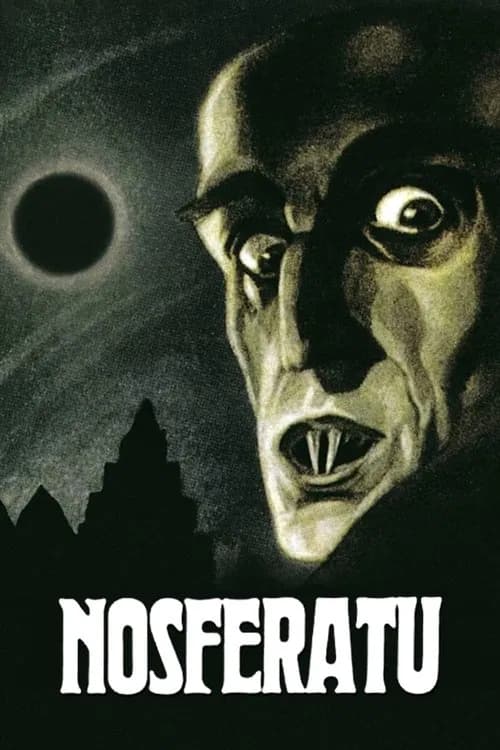
F.W. Murnau's film is the oldest surviving screen adaptation of the Dracula story. Max Schreck's gaunt, rat-like Orlok fixed the vampire on screen as a pale, inhuman figure, far from a charming aristocrat.
Horror built from images, not sound
With no dialogue and no effects budget, the film creates dread through framing, shadow, editing and location. It shows how much a camera alone can make an audience feel.
A key work of Weimar-era German cinema
Murnau takes the stylised unease of German Expressionism out of the studio and into real landscapes, giving the movement one of its most distinctive and influential results.
Why it matters in cinema history
A defining film of German silent cinema and the foundation of the cinematic vampire, it helped establish horror as a genre with its own visual language.
Watch with intention
Your lens
Watch it as a film where the landscape and the camera are as frightening as the monster, and let the slow pace work on you.
Three things to notice
- How Count Orlok is framed: his posture, stillness and the way the shots hold on him are very different from how the other characters are filmed.
- The cutaways to nature, from waves and clouds to small animals. Notice what they add to the mood and how they link scenes together.
- The tinted colour of the print and the use of shadow. Consider what each colour suggests at different times of day.
One question to carry with you
What makes a figure frightening when he never speaks and barely moves: the way he looks, the way he is filmed, or the way others react to him?
- Industry
- Prana Film, a small Berlin company founded in 1921 and interested in the occult, made it. Nosferatu was its only production, and it was made without securing the rights to Bram Stoker's novel.
- Dominant styles
- After The Cabinet of Dr. Caligari (1920), German cinema favoured distorted, painted studio sets. Murnau instead mixed some stylisation with real buildings, ships, forests and mountains.
- Technology
- Silent film relied on intertitles, live musical accompaniment and colour tinting of black-and-white prints, with colours used to signal night, day and mood.
- Audience
- Postwar German audiences were used to stories of fate, madness and menace. Horror as a recognised genre barely existed yet, so there was little formula to follow.
Where it came from
Tradition
Bram Stoker's Dracula and Gothic literature
The unlicensed story source, itself part of a long tradition of Gothic tales about aristocratic menace and the supernatural.
Film
The Cabinet of Dr. Caligari (1920)On Cinespective
Proved that stylised, uneasy fantasy could succeed in German cinema, though Murnau moved away from its painted sets toward real locations.
Tradition
German Romanticism
Its paintings and tales of nature, death and the uncanny inform the film's landscapes and its fairy-tale tone.
This film
Nosferatu (1922)
New at the timeIt brought supernatural horror to feature length with a monster who looks truly alien, filmed largely in real locations rather than purely on painted sets.
- Country and moment
- Germany was four years out of the First World War and defeat. Its new democracy was unstable, and many people had lost family, savings or certainty. Death, plague and fear of the unknown were familiar themes to audiences.
- Economy
- Inflation was spiralling toward the hyperinflation of 1923. Money lost value quickly, but cinema was still popular cheap entertainment. Films also earned foreign currency, so the industry kept expanding.
- A short-lived independent studio
- Prana-Film was founded by Albin Grau and Enrico Dieterle in 1921, and Nosferatu was its only production. Its budget was limited, and it made a risky choice by adapting Bram Stoker's Dracula without buying the rights.
- The filmmaker's situation
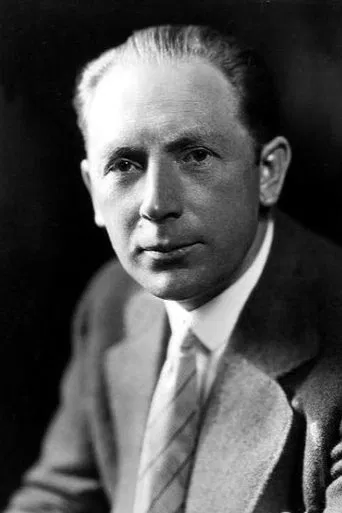
- Murnau had served in the war as a soldier and then as a pilot, and he was already an established director. Much of the film was shot on real locations in Germany and Slovakia rather than in a studio. Stoker's widow later sued, and a court ordered copies destroyed.
- Pace
- Deliberate and atmospheric. Scenes hold longer than in modern horror, and tension builds through anticipation rather than shocks.
- Format
- Silent film with German intertitles, usually shown with English subtitles. A restored print comes with a recorded orchestral score.
- Colour
- Black and white with colour tints in good restorations, so blue, amber or sepia may wash over whole scenes.
- Performance
- Stage-influenced and stylised: broad gestures, fixed stares and exaggerated posture, which suits the story's fairy-tale tone.
- Aspect ratio
- Roughly 1.33:1, the standard silent-era frame. Runtime varies by restoration, around 90 to 95 minutes.
- Versions
- Several cuts and restorations exist with different intertitles, character names and tinting. Choose a recent restoration for the best image.
10+
Suggested age
Older children
Ratings are PG (GB), 12 (DE) and unrated (US). Nothing is graphic, but the lingering dread and silent pacing suit around 10 with a parent.
Official ratings
- USNR
- UKPG
- Germany12
Good for
Older children and teens curious about film history will enjoy the striking shadows, inventive camerawork and atmosphere that shaped later horror, plus a haunting score and a chance to try a silent film.
May unsettle
- Scary imagery: The central figure has a deliberately eerie, rat-like look, and several shadow-heavy shots are designed to chill. Little is shown in gory detail.
- Mature themes: A constant mood of dread, dark omens and mortality hangs over the story, more through atmosphere than explicit content.
- Peril: Characters face a sustained sense of menace and threat, with several tense, suspenseful stretches.
- Pace: It is silent and black and white, with story told through text cards and exaggerated acting. Younger viewers may lose patience.
Explain first
- It is a silent film from 1922, so the story is carried by music, expressive acting and occasional written title cards you may need to read aloud.
- Effects are simple, handmade tricks such as camera speed and shadows. They look eerie and dreamlike rather than realistic, which is part of the charm.
- Some versions have tinted colours and different musical scores, so the look and mood can vary depending on which copy you watch.
Talk about it after
>How did the filmmakers create fear without sound or modern effects, and which images or shadows stayed with you most?
Cinespective's own guidance, a draft: check it against the official ratings and your own judgement. Second opinions: Common Sense Media, IMDb (see its Parents Guide). Ratings from TMDB.