

Mystery · Romance · Thriller
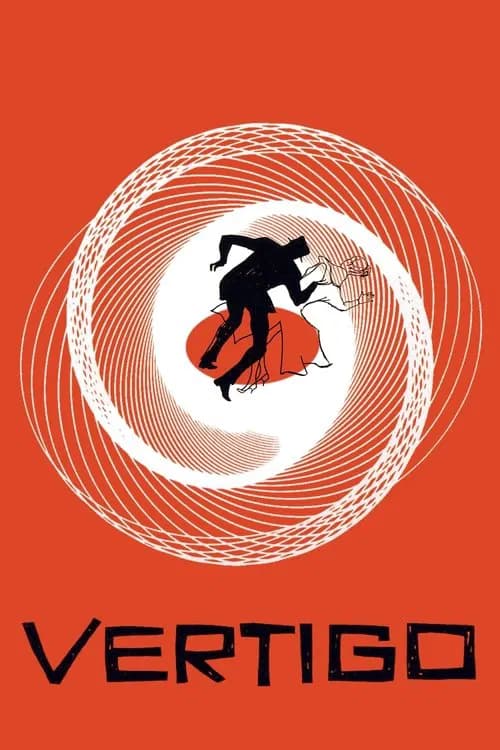
Vertigo
Avg rating 8.9 / My rating TBC
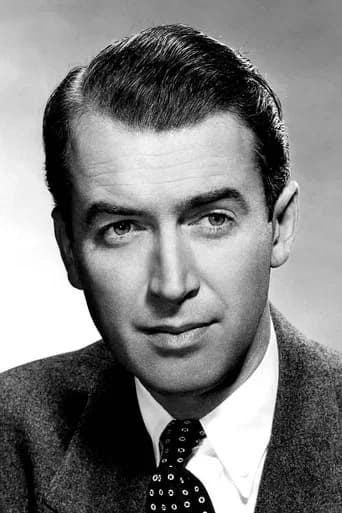
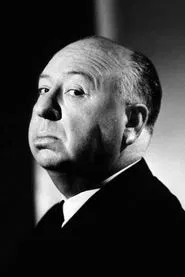
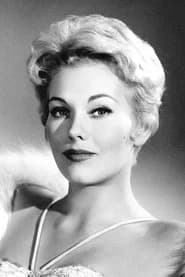
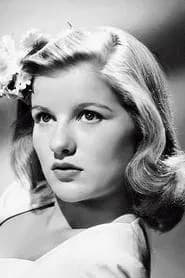
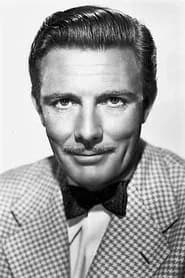
1958 · Directed by Alfred Hitchcock · With James Stewart, Kim Novak, Barbara Bel Geddes
- Suspense
- Classical Hollywood
- Melodrama
- Auteur Cinema
A San Francisco detective, retired after an incident that left him with a crippling fear of heights, is asked by an old friend to follow his wife, who seems to be haunted by something. What begins as a routine job becomes a slow, dreamlike fixation. Hitchcock's most personal thriller works as much as a love story as a mystery.
Film info
- Runtime
- 2h 08m · 128 min
- Format
- Technicolor, shot in VistaVision, so best seen in a restored widescreen version where the colour design registers fully.
- IMDb
- 8.2 / 10 (458,761 votes)
- Rotten Tomatoes
- 94% (critics)
- Metacritic
- 100 / 100
- TMDB
- 8.1 / 10 (audience, 6,525 votes)
- Trailer
- ▶ Watch the trailer
Before watching
Spoiler-free · about 2 minutes
Short on time? Spoiler-free
A 3-minute summary
Why watch this?
Hitchcock's most personal and most debated masterpiece
Many critics and filmmakers now regard Vertigo as the peak of Hitchcock's career. It turns the thriller into a study of obsession, and it rewards repeat viewings more than almost any other Hollywood film of its decade.
A thriller that works like a dream
Bernard Herrmann's swirling score, Robert Burks's saturated colour and James Stewart's unsettling performance make the film feel hypnotic. The pace is deliberate, and the mood matters more than the plot mechanics.
The film that made the dolly zoom famous
Its signature camera effect, tracking in while zooming out, now stands for dizziness and dread across cinema. Seeing it in its original setting shows why the technique is more than a trick.
Why it matters in cinema history
A late peak of the classical Hollywood thriller, made just as the studio style was loosening, and a key text for later auteur theory and psychological cinema.
Watch with intention
Your lens
Watch it as a film about looking: who is watching whom, and what each person wants to see.
Three things to notice
- How often the camera follows Scottie's point of view, and how the editing makes you look at the same things he does.
- The use of colour, especially green and red, in costumes, rooms and lighting, and how it shifts the mood of each scene.
- How Bernard Herrmann's music circles and repeats rather than building to conventional climaxes, matching the film's spiral imagery.
One question to carry with you
Is Scottie in love with a woman, or with the experience of following her?
- Industry
- Hitchcock made the film at Paramount, after a run of hits including Rear Window. By the late 1950s he was a brand name, and audiences expected polished, suspenseful entertainment.
- Technology
- Shot in VistaVision and Technicolor on real San Francisco locations. Saturated colour and widescreen photography were marks of studio prestige, here used for psychological effect rather than spectacle.
- Dominant styles
- Film noir had faded and Hollywood was moving toward glossy colour dramas. Vertigo borrows noir's obsession and doomed romance but places them in bright daylight and pastel interiors.
- Director's moment
- Hitchcock adapted a French novel by Boileau and Narcejac, and cast James Stewart for the fourth time. The film pushes Stewart's decent-man persona into much darker territory.
Where it came from
Film
Rear Window (1954)On Cinespective
Hitchcock's earlier study of a James Stewart character watching others, which Vertigo takes into darker, more emotionally exposed territory.
Movement
Film noir
The doomed romance, obsessive male protagonist and fatal woman figure come from noir, though Vertigo reshapes them in colour.
Tradition
Surrealism and dream cinema
Its dream sequences and uncanny repetition draw on the surrealist tradition, including Dalí's work with Hitchcock on Spellbound.
This film
Vertigo (1958)
New at the timeA mainstream star thriller that treats its hero's psychology as the real subject, with a dreamlike structure that made many 1958 audiences uneasy rather than thrilled.
- Country and moment
- Late-1950s America was affluent and Cold War-anxious. Suburban family life and conventional gender roles were widely idealised, and the film looks at obsession and identity in a polished, prosperous San Francisco.
- Politics and censorship
- The Production Code still governed Hollywood. Sexual obsession, deception and morally troubling material had to be handled through suggestion and implication rather than being shown openly.
- Society and audience
- Television had cut cinema attendance, so studios leaned on big stars, colour and name directors. Audiences expected Hitchcock thrillers to be glossy entertainment, and many reviewers in 1958 found this one slow and strange.
- The filmmaker's situation
- Hitchcock was a British-born director long established in Hollywood. After a run of hits for Paramount, he was a brand name with unusual creative control, and he used it to make a deeply personal, risky film.
- Pace
- Deliberate and hypnotic. Long stretches of silent pursuit and conversation replace action, so the suspense is mostly psychological.
- Style
- Studio-crafted but dreamlike, with rear projection, painted effects and a stylised, symbolic use of San Francisco locations.
- Performance
- James Stewart plays against his warm screen image. Kim Novak's controlled, layered performance carries much of the film's mystery.
- Colour and format
- Technicolor, shot in VistaVision, so best seen in a restored widescreen version where the colour design registers fully.
- Language
- English. The film is a slow-burning mystery rather than a fast thriller.
12+
Suggested age
Teens
US and GB rate it PG and France allows all ages, but Germany says 12. Its length, slow pace and adult psychological themes suit teens best.
Official ratings
- USPG
- UKPG
- Germany12
- FranceTP
Good for
Older children and teens who enjoy slow-burn mysteries, striking colour and San Francisco locations, and who are curious about how film music and camera tricks create suspense.
May unsettle
- Peril: Recurring scenes of heights and dizziness, with disorienting camera effects, plus some tense moments of danger and a few shocking beats.
- Mature themes: Adult romantic and psychological themes, with an emotionally heavy, brooding tone. Nothing is graphic, but it is more unsettling than its PG rating suggests.
- Pace: Long and deliberate, with extended stretches of quiet following and dialogue. Younger viewers may lose patience.
- Dated attitudes: 1950s portrayals of women and relationships reflect the period, and some behaviour on screen is not meant to be admired.
Explain first
- It is a slow-building 1950s mystery, so the suspense comes from mood, music and clues rather than action.
- The dizzying visual effects are camera tricks that put you inside a character's fear of heights.
- Pay attention to details like colours, clothes and objects. Small things matter in this film.
Talk about it after
How do the music and camera tricks make you share the main character's feelings, and did you always trust what you were shown?
Cinespective's own guidance, a draft: check it against the official ratings and your own judgement. Second opinions: Common Sense Media, IMDb (see its Parents Guide). Ratings from TMDB.