


Drama · Crime
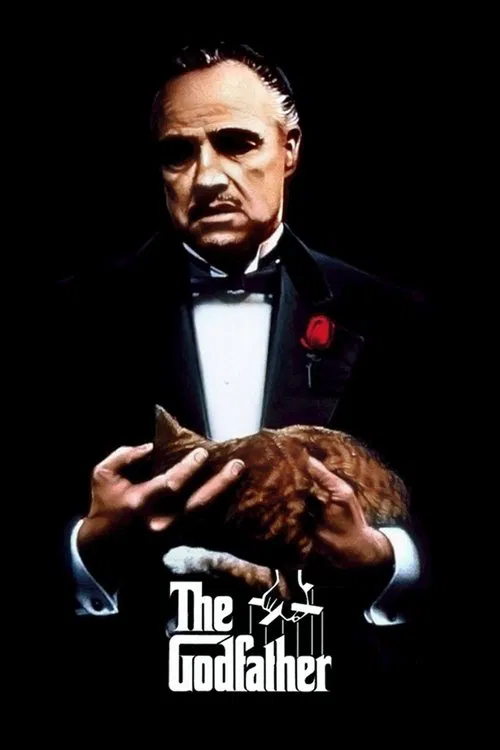
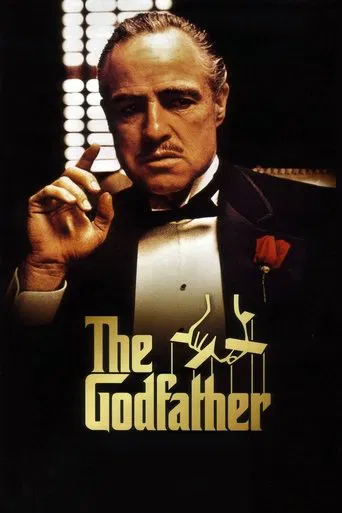
The Godfather
Avg rating 9.4 / My rating TBC
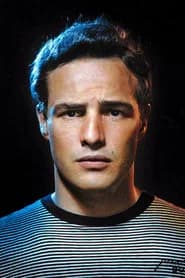
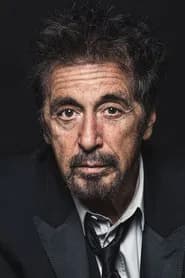
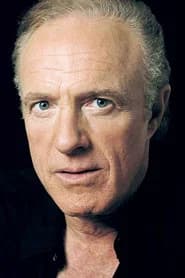
1972 · Directed by Francis Ford Coppola · With Marlon Brando, Al Pacino, James Caan
- New Hollywood
- Gangster Film
- Auteur Cinema
New York, 1945. The Corleones are one of the city's most powerful crime families, and its patriarch holds court on his daughter's wedding day. The film follows a family business built on favours, loyalty and quiet threat, and a household where private life and organised crime cannot be separated.
Film info
- Runtime
- 2h 55m · 175 min
- Format
- Colour, widescreen, 175 minutes. Plan for a full evening, as the story needs time to accumulate.
- IMDb
- 9.2 / 10 (2,222,804 votes)
- Rotten Tomatoes
- 97% (critics)
- Metacritic
- 100 / 100
- TMDB
- 8.7 / 10 (audience, 23,675 votes)
- Trailer
- ▶ Watch the trailer


Before watching
Spoiler-free · about 2 minutes
Why watch this?
A defining film of New Hollywood and the gangster genre
Coppola's breakthrough showed a major studio could release a long, dark, morally complex drama and make it a huge popular hit. It reset the gangster film and became a model for 1970s American cinema.
Marlon Brando and Al Pacino in career-defining roles
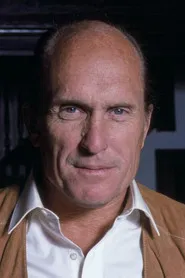
Brando's Vito Corleone and Pacino's Michael are among the best-known characters in American film. Caan, Duvall and Keaton add to an ensemble in which almost every small part is vivid.
Craft that rewards close attention
Gordon Willis's shadowed interiors, Nino Rota's score and a patient, precise structure make the film as much a study of image and rhythm as of crime.
Why it matters in cinema history
The film is a cornerstone of the New Hollywood period, when young directors gained unusual control inside the studios. It also gave the American gangster story the weight of tragedy and family saga.
Watch with intention
Your lens
Watch it as a family drama first: every meeting, meal and ceremony is also a negotiation about power.
Three things to notice
- How light is used, especially in the opening study scene, where faces are partly lost in shadow and the room seems to hold secrets.
- How rarely the camera moves. Scenes are built from patient, composed frames, so any shift in distance or position stands out.
- The contrast between warm, crowded family gatherings and quiet, tightly controlled business conversations, and how each is staged and sounded.
One question to carry with you
Who in this family looks most at ease with its way of life, and who only seems to be?
- Industry
- Paramount was financially shaky in the late 1960s and hoped to turn Mario Puzo's bestselling novel into a hit. It hired Coppola, then in his early thirties with few successes.
- Dominant styles
- American films were absorbing European art cinema, location shooting and more ambiguous heroes. Bonnie and Clyde (1967) had shown audiences would follow outlaws into violence and sympathy.
- Audience
- Vietnam and the political scandals of the period left many viewers distrustful of institutions. A story in which family loyalty stands against official authority landed in that mood.
- Genre history
- Earlier gangster films, such as those of the early 1930s, were mostly short, fast stories of street criminals. Here the crime family is treated as a dynasty and a business.
Where it came from
Tradition
1930s Hollywood gangster cycle
Films such as Little Caesar and Scarface made the criminal rise-and-fall story a genre. The Godfather deepens it into a family saga.
Film
Bonnie and Clyde (1967)On Cinespective
It had shown that audiences would embrace outlaws and stylised, shocking violence, opening the door to more morally ambiguous crime stories.
Film
Citizen Kane (1941)On Cinespective
Its portrait of private power, shadowy interiors and layered family history stands behind Willis's approach and the film's study of a dynasty.
This film
The Godfather (1972)
New at the timeA studio crime picture played as a slow, dark family tragedy, with criminals as the central characters and the story told from inside their world.
- Country and moment
- Released in 1972, the film arrived amid the Vietnam War, urban unrest and a growing loss of faith in government and institutions. Audiences were ready for stories that questioned American power and respectability.
- Immigrant experience
- The story is set in the postwar world of Italian-American families in New York. It draws on the history of immigrant communities, their outsider status, and the pursuit of the American dream by other means.
- Society and audience
- Italian-American organisations, notably Joseph Colombo's group, protested the project's portrayal of their community. The producers reportedly agreed to avoid the word "Mafia" in the script. The film nonetheless became a huge popular success.
- The filmmaker's situation
- Coppola was in his early thirties and had made only modest films. Paramount, which was in financial trouble, doubted him and clashed with him over casting and budget. He was also drawn to the project by his own need for money, and he saw the Corleones as a family story.
- Pace
- Deliberate and spacious. Long dialogue scenes and ceremonies build the world before the plot tightens, with brief, sudden bursts of violence.
- Style
- Classical, composed and dimly lit, with period detail across 1945 to 1955. It looks like a painting, not a thriller.
- Performance
- Restrained and naturalistic. Much is said through stillness, glances and understatement, not speeches.
- Language
- Mainly English, with some Italian and Sicilian dialogue that is subtitled.
- Format
- Colour, widescreen, 175 minutes. Plan for a full evening, as the story needs time to accumulate.
16+
Suggested age
Older teens and adults
Ratings range from FR 12 to GB 18 (R in the US, FSK 16). Given graphic violence, mature themes and length, 16 suits watching together.
Official ratings
- USR
- UK18 / 15
- Germany16
- France12 / 18
Good for
Older teens interested in film craft, acting and storytelling may enjoy this landmark drama of family, loyalty and power, with famous performances, rich period detail and a slow-burning, absorbing story.
May unsettle
- Graphic violence: Several sudden, bloody shootings and killings, some shown in close detail. Violence is central to the story and recurs throughout.
- Mature themes: Organised crime, corruption, revenge and betrayal are treated seriously, with moral compromise and loyalty to family at the centre.
- Language and sexuality: Includes strong language, ethnic slurs, some nudity and sexual references.
- Pace: Nearly three hours, with long, talky scenes and many characters. Younger viewers may find it hard to follow or sustain attention.
Explain first
- It is set in 1940s America, among Italian-American immigrant families. Some language and attitudes, including towards women, reflect the period and the criminal world shown.
- The story involves many family members and rival groups. A quick who's-who of the Corleone family helps you follow it.
- The film shows crime as glamorous in places but is not endorsing it. It is worth noticing how it presents the cost of power.
Talk about it after
Why do you think characters justify their actions as 'business' or 'family', and do you think those reasons excuse what they do?
Cinespective's own guidance, a draft: check it against the official ratings and your own judgement. Second opinions: Common Sense Media, IMDb (see its Parents Guide). Ratings from TMDB.