Loading…


Movement · 8 of 14 in time
Documentary shorts, then dramas, took British film out of the studio and into northern working-class streets, factories and kitchens.
Where it sits
British documentary movement · Italian NeorealismFree Cinema and the British New WaveNew Hollywood
Context
Britain in the mid-fifties: rationing is over, television is arriving in living rooms, and the cinema audience is beginning to shrink. British films are still made in studios, often as polite comedies and war stories, and they rarely show how most people live. The North, the factory and the terraced street are almost absent from the screen.
A younger generation wants that changed. Playwrights and novelists are writing about working-class anger, and a few critics and filmmakers have the example of wartime documentary and Italian neorealism. In 1956 they show their own short films in London as Free Cinema. Within four years they are making features.
The signature
The people
The films


Its constellation
Legacy
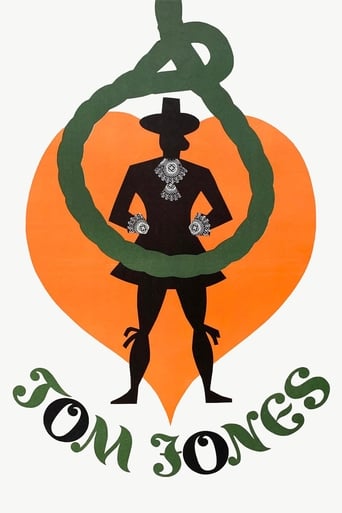
Still seen whenever a British film goes to an ordinary street, with ordinary people, and takes them seriously: in television drama and in the social realism of the following decades. It also crossed the Atlantic. Tom Jones and Midnight Cowboy show the British wave arriving in American studios, just as the old taboos of New Hollywood were collapsing.
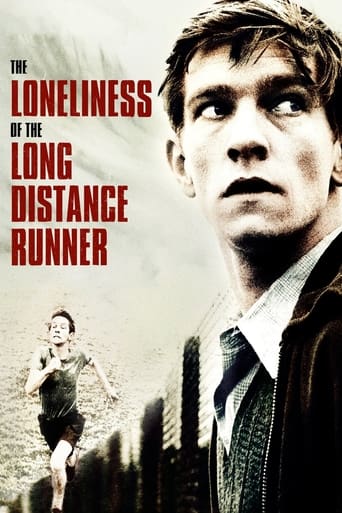
To start with: Saturday Night and Sunday Morning · A Taste of Honey · This Sporting Life. Then the rest, in the order they came out.