Loading…


Movement · 11 of 14 in time
A generation of West German directors rejects the commercial cinema of their parents and films the guilt, the silence and the road.
Where it sits
French New WaveNew German CinemaAmerican independent cinema
Context
West Germany in the sixties: the economic miracle has rebuilt the cities, and the Nazi years are rarely spoken of at home or at school. The cinemas offer comfortable entertainment, much of it set in a tidy countryside, while television draws the audience away. The young see an industry with nothing to say about the country they live in.
In 1962, at Oberhausen, young filmmakers sign a manifesto claiming the right to make new films, free of the industry's habits. In the following years, subsidies and television money give them the means. They admire the Nouvelle Vague and the Hollywood they grew up on, and they begin to shoot.
The signature
The people
The films



Its constellation
Legacy
Wherever a director is treated as an author and a film is made outside the big industry, this cinema is present. It is in American independent film, which took its ideal of authorship from Herzog and Fassbinder, and a helping hand from Wenders. It is in road movies where a European eye crosses American landscapes, and in films that face a national past through fable and satire rather than solemn reconstruction.
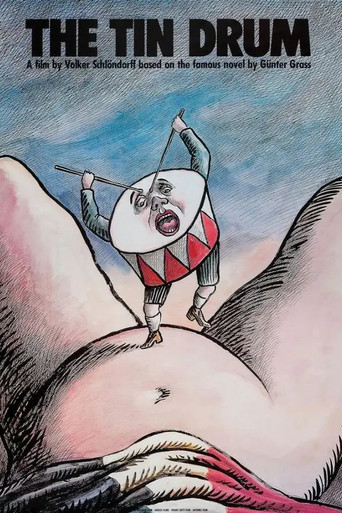
To start with: Aguirre, the Wrath of God · Ali: Fear Eats the Soul · The Tin Drum. Then the rest, in the order they came out.