

Crime · Drama · Mystery
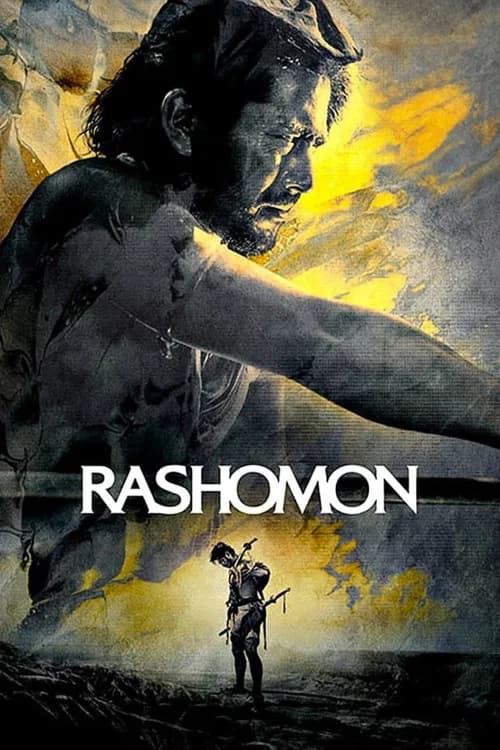
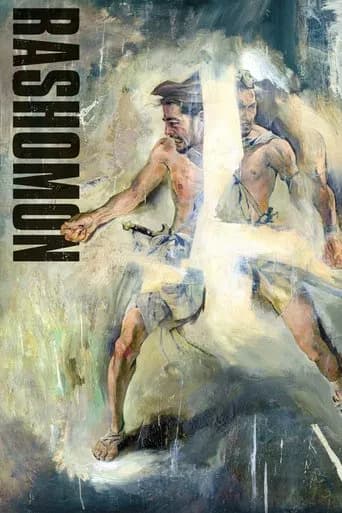
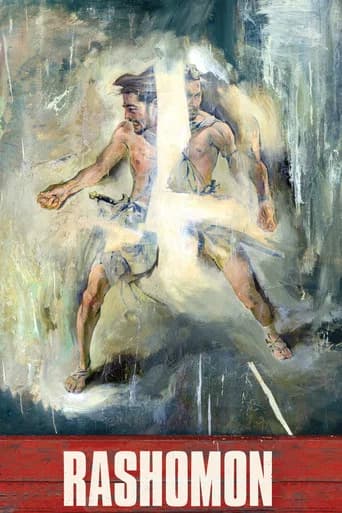
Rashomon
Avg rating 8.9 / My rating TBC
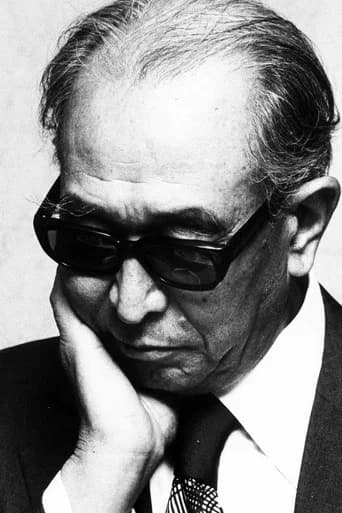
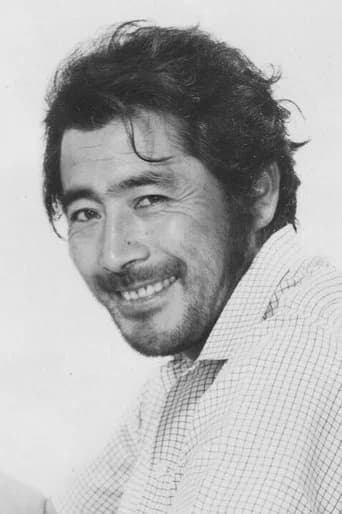
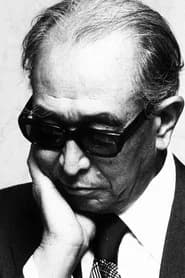
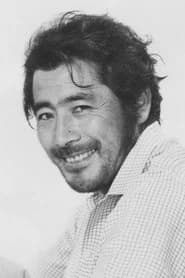
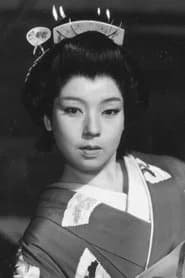
1950 · Directed by Akira Kurosawa · With Toshirō Mifune, Machiko Kyō, Takashi Shimura
- Japanese Golden Age
- Art Cinema
- Auteur Cinema
In a ruined gateway during a downpour, three men shelter and try to make sense of a killing in the forest and the trial that followed. Each witness has a story to tell. Part courtroom puzzle, part moral fable, set in medieval Kyoto.
Film info
- Runtime
- 1h 28m · 88 min
- IMDb
- 8.1 / 10 (195,453 votes)
- Rotten Tomatoes
- 98% (critics)
- Metacritic
- 98 / 100
- TMDB
- 8.0 / 10 (audience, 2,623 votes)
- Trailer
- ▶ Watch the trailer
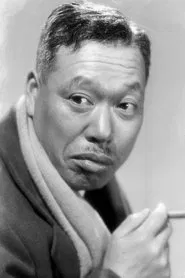
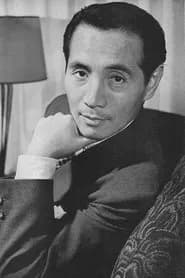
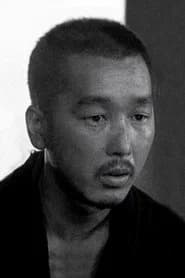
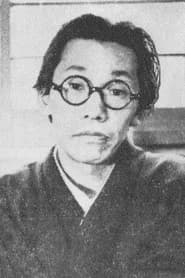
Before watching
Spoiler-free · about 2 minutes
Why watch this?
The film that opened Western eyes to Japanese cinema
Its Golden Lion at Venice in 1951 made Akira Kurosawa an international name and drew Western audiences and festivals to Japanese film. Mizoguchi, Ozu and the rest of the golden age reached the West partly through it.
A story-telling method still copied today
Rashomon treats a flashback as someone's claim rather than as proof. The phrase 'Rashomon effect' now describes any story told from conflicting viewpoints, and it all starts here.
Pure cinema in 88 minutes
Mifune, Kyō and Mori give vivid, physical performances. Kazuo Miyagawa's camera moves through forest light, and Fumio Hayasaka's score adds to the tension. It is compact, strange and gripping.
Why it matters in cinema history
A defining film of Japan's postwar golden age and the work that introduced Japanese cinema to a global audience. It also established the multi-perspective narrative as a lasting form.
Watch with intention
Your lens
Treat every flashback as a performance by the person telling it, and ask what each narrator wants you to believe about them.
Three things to notice
- How the camera and light behave in the gate scenes (heavy rain, shadow, stillness) compared with the forest scenes (dappled sunlight, movement).
- How Toshirō Mifune, Machiko Kyō and Masayuki Mori shift their physical manner from one telling to the next.
- How Hayasaka's score and long stretches without dialogue steer the mood, including a rhythm that builds like Ravel's Boléro.
One question to carry with you
When a story is told in the first person and the teller has something at stake, what would make you trust it?
- Industry
- Japan was under Allied occupation until 1952. Studios such as Daiei were rebuilding, and period films (jidaigeki) were a staple, though the Western audience barely knew Japanese cinema.
- Director's moment
- Kurosawa had made Drunken Angel (1948) and Stray Dog (1949), contemporary dramas with Mifune. Rashomon was a smaller, riskier experiment in a medieval setting, and some executives were unconvinced.
- Source
- The script draws on two short stories by Ryūnosuke Akutagawa, 'Rashōmon' and 'In a Grove', adapted by Kurosawa and Shinobu Hashimoto.
- Dominant styles
- Mainstream narrative cinema, Japanese and Hollywood alike, usually treated flashbacks as reliable. Kurosawa also drew on silent-film technique, relying on image and rhythm over dialogue.
Where it came from
Filmmaker
Ryūnosuke Akutagawa
His short stories 'In a Grove' and 'Rashōmon' supplied the crime, the conflicting accounts and the gate setting.
Tradition
Silent cinema
Kurosawa wanted to recover the visual storytelling of silent film, with its physical acting and images that carry meaning without dialogue.
Film
Citizen Kane (1941)On Cinespective
An earlier landmark that builds a story from several people's recollections, though the approach and purpose differ.
This film
Rashomon (1950)
New at the timeFlashbacks were framed as testimony from different narrators, each shown as a full scene, instead of as an objective record of what happened.
- Country and moment
- Japan in 1950 was still occupied by Allied forces, mainly American, after defeat in 1945. Cities were damaged, food and housing were scarce, and many people were questioning the wartime values they had been taught.
- Politics and censorship
- Occupation authorities censored film content. Samurai swordfights and feudal loyalty themes were discouraged because they were linked to militarism, so period films were treated cautiously, and the story's medieval setting was a sensitive choice.
- Society and audience
- Postwar audiences lived with broken trust in authority and in official versions of events. A film about people who cannot agree on what they saw, and about whether anyone can be honest, spoke to that mood.
- The filmmaker's situation
- Kurosawa was in his early forties and had made films since 1943, with recent contemporary dramas such as Drunken Angel. He made this one for Daiei, a studio that was not expecting much from it.
- Pace
- Brisk at 88 minutes, built from a few long, dense sequences. The framing story is slow and reflective, the forest scenes more kinetic.
- Style
- Stylised, theatrical and often dreamlike. Acting is expressive and broad in places, more so than in Hollywood films of the period.
- Colour / B&W
- Black and white, with strong contrasts between sunlit forest and dark gate.
- Language
- Japanese with subtitles. Dialogue is sparse, and long passages rely on images and music.
- Content
- Centres on a violent crime, including sexual assault. It is handled through implication and performance, not graphic display.
13+
Suggested age
Teens
Ratings range from FR all-audiences and GB 12A to DE 16, with US unrated; 13 suits the sexual violence theme and subtitled, talky style, with older teens getting most from it.
Official ratings
- USNR
- UK12A
- Germany16
- FranceTP
Good for
Curious teens who like mysteries and debating who to believe. It is short, visually striking and hugely influential, a good first step into classic world cinema.
May unsettle
- Mature themes: Sexual assault is central to the story. It is not shown graphically, but it is discussed repeatedly and shapes the whole film.
- Violence: Sword fighting and a killing, shown in a raw, unglamorous way rather than as stylised action. Brief and not gory.
- Bleak outlook: The film dwells on deceit, selfishness and distrust, and asks hard questions about human nature.
- Dated attitudes: Its portrayal of women and of class reflects 1950 and a medieval setting, and may be worth discussing.
Explain first
- It is in Japanese with subtitles and in black and white, so be ready to read along and settle into a slower rhythm.
- The story is set in medieval Japan, with samurai, bandits and a ruined city gate, and told through people recounting events.
- Several characters describe the same event differently, so part of the fun is deciding for yourself what to believe.
Talk about it after
Why might people remember the same event differently, and does it matter more to find out what really happened or why each person tells it their way?
Cinespective's own guidance, a draft: check it against the official ratings and your own judgement. Second opinions: Common Sense Media, IMDb (see its Parents Guide). Ratings from TMDB.