

Drama
Bicycle Thieves
Avg rating 8.8 / My rating TBC
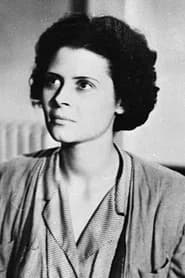
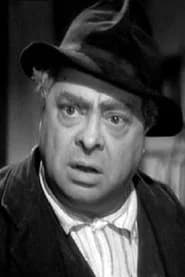
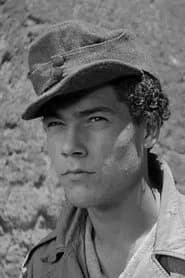
1948 · Directed by Vittorio De Sica · With Lamberto Maggiorani, Enzo Staiola, Lianella Carell
- Italian Neorealism
- Art Cinema
- Melodrama
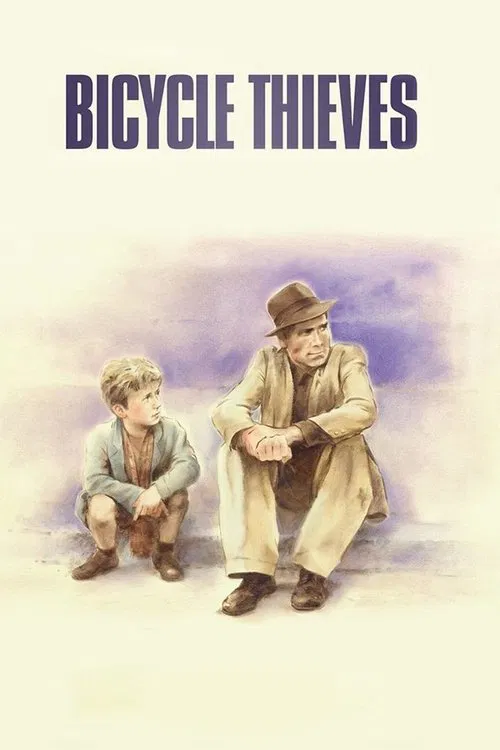
In poor, postwar Rome, a long-unemployed father is offered a job that depends on owning a bicycle. Shot on real streets with a largely non-professional cast, the film follows one ordinary man and his young son through a few days that carry unusual weight.
Film info
- Runtime
- 1h 29m · 89 min
- Format
- Black and white, standard Academy ratio, 89 minutes. Known in some countries as The Bicycle Thief, but the cut is essentially the same.
- IMDb
- 8.2 / 10 (190,001 votes)
- Rotten Tomatoes
- 99% (critics)
- TMDB
- 8.2 / 10 (audience, 2,763 votes)
- Trailer
- ▶ Watch the trailer
Before watching
Spoiler-free · about 2 minutes
Short on time? Spoiler-free
A 3-minute summary
Why watch this?
The defining film of Italian Neorealism
Vittorio De Sica and screenwriter Cesare Zavattini distilled the movement's ideas into its most widely seen and influential work: real locations, unknown faces, and a story built from everyday hardship.
A great performance from a man who was not an actor
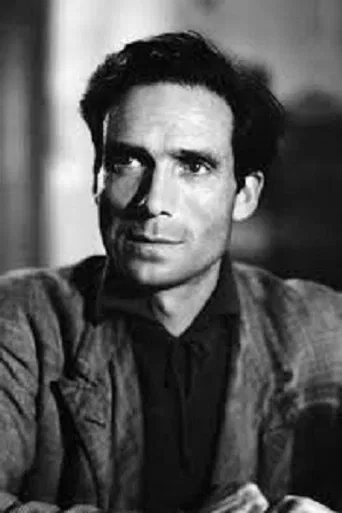
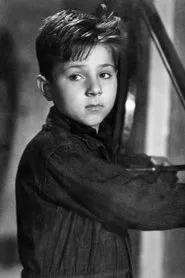
Lamberto Maggiorani, a factory worker, and Enzo Staiola, a child found on the street, give performances of startling naturalness that still make professional acting look like a choice, not a necessity.
A simple story with surprising emotional force
Almost nothing is staged for spectacle, yet the film builds a tension and moral weight many thrillers cannot match. It shows how little plot a great film needs.
Why it matters in cinema history
The film became the international emblem of postwar European realism, proving that a story about poverty, shot cheaply on location, could be both art and a worldwide success.
Watch with intention
Your lens
Watch the city as a character: how Rome's crowds, streets and institutions shape one man's choices.
Three things to notice
- How the faces of the non-professional actors, especially the father and his young son, carry emotion without big gestures or speeches.
- How often the camera keeps the main characters small within crowded streets, markets and buildings, instead of isolating them for effect.
- How the pairing of father and son is staged: who walks ahead, who follows, and what the boy sees that the adult does not.
One question to carry with you
What does it cost an ordinary person to be one small setback away from ruin, and how does the film make you feel it?
- Postwar Italy
- Italy in 1948 was recovering from fascism, occupation and war. Mass unemployment and housing shortages were everyday facts, and the film's Rome is the city audiences actually lived in.
- Industry
- Italian studios such as Cinecittà had been damaged and were expensive. Filming outdoors with little money and natural light was both an economic necessity and an artistic stance.
- Dominant styles
- Hollywood offered polished studio stars and tidy plots. Neorealism answered with ordinary people, open-ended storytelling and a belief that daily life was worthy of serious attention.
- Director's moment
- De Sica was a famous actor and matinee idol before turning director. After Shoeshine (1946), this film confirmed him as the movement's leading humanist.
Where it came from
Film
Rome, Open City (1945)
Roberto Rossellini's film made Neorealism internationally visible, with real locations and a story rooted in the immediate aftermath of war.
Film
Shoeshine (1946)
De Sica's own earlier film about children in postwar Rome, which developed his sympathetic, humanist approach to poverty.
Filmmaker
Cesare Zavattini
The screenwriter and theorist who argued for cinema about ordinary people and everyday events, and shaped the film's structure and philosophy.
This film
Bicycle Thieves (1948)
New at the timeIt treated an ordinary working man's small crisis as a full-scale drama, with real streets and untrained performers carrying the emotion instead of stars or plot twists.
- Country and moment
- Italy in 1948 was rebuilding after defeat, occupation and the fall of Mussolini's regime. Housing was short, prices were high, and many people had little to live on.
- Economy
- Unemployment was very high in the late 1940s. Work often depended on luck, connections or owning a basic tool. Pawnshops were a common way for families to get by, and the film's story grows out of this.
- Politics and society
- The 1948 general election, a sharp Christian Democrat versus left-wing contest, took place in the Cold War climate. Some Italian politicians criticised films that showed national poverty. Many filmmakers, though, wanted to show ordinary life honestly after years of Fascist-era propaganda.
- The filmmaker's situation
- De Sica was already famous as an actor and director, and he had made films under Fascism. He struggled to raise money for this project because producers wanted a star. He ended up financing it himself, and he cast non-professional actors, which was only possible because of these constraints.
- Pace
- Unhurried and episodic, driven by everyday detail and street life rather than plot mechanics. It rewards patience over momentum, though the tension steadily builds.
- Style
- Location shooting in Rome, natural light, and mostly non-professional actors. Plain and unshowy on the surface, with a carefully shaped structure underneath.
- Performance
- Naturalistic and restrained. The lead is a factory worker and his son a child found on the street; expect faces and silences over speeches.
- Language
- Italian with subtitles. Dialogue is simple and conversational, so it is easy to follow.
- Format
- Black and white, standard Academy ratio, 89 minutes. Known in some countries as The Bicycle Thief, but the cut is essentially the same.
9+
Suggested age
Older children
Ratings split: Germany FSK 12, while GB and France rate it U and the US has no rating. Nothing graphic, but subtitles, pace and sombre themes suit about 9 and up.
Official ratings
- USNR
- UKU
- Germany12
- FranceU
Good for
Older children and families who enjoy realistic stories. It has a warm father-son bond, vivid street life in postwar Rome, and plenty to discuss about fairness, work and family.
May unsettle
- Bleak tone: A sombre, realistic portrait of poverty and hardship, with little light relief.
- Emotional intensity: Sustained anxiety about money and survival, with some raw, tense moments between family members.
- Heated confrontation: Some shouting and angry arguments, with occasional physical roughness. Nothing is graphic.
- Pace: Black-and-white, subtitled and unhurried, with a documentary-like feel. Younger children may lose focus.
Explain first
- It is in Italian with subtitles, so younger children may need you to read some lines aloud.
- It is set in Rome just after the Second World War, when jobs and money were very scarce.
- In this world, a single job can depend on owning one key item, and families often pawned belongings to get by.
Talk about it after
>Why do you think the film follows a father and his young son together, and how does the son see things differently from his father?
Cinespective's own guidance, a draft: check it against the official ratings and your own judgement. Second opinions: Common Sense Media, IMDb (see its Parents Guide). Ratings from TMDB.