Drama
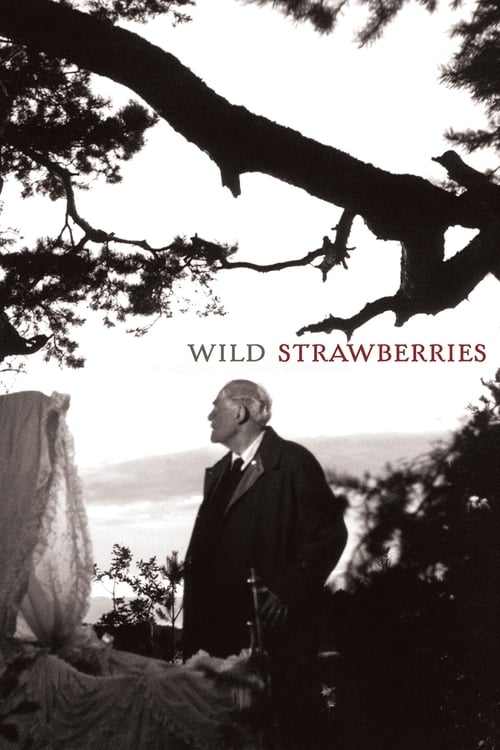
Wild Strawberries
Swedish (Smultronstället)
1957 · Directed by Ingmar Bergman · 91 min


Drama
Swedish (Smultronstället)
1957 · Directed by Ingmar Bergman · 91 min






Meaning, unpacked
Central idea
The film is about a man who has been precise and respected but emotionally withdrawn, and who is forced by one day's journey to see the cost of that distance. It asks whether it is too late to change, and what a life amounts to.
What it means
On the surface, an old man drives to collect an honour. Underneath, Wild Strawberries is about the gap between how Isak Borg is seen and how he has actually lived. He is precise, respected and thought of as kind, yet he has also been emotionally withdrawn. The film calls this coldness and never lets him hide from it. By the end of the day he has been forced to ask whether it is too late to change, and what a life amounts to.
The day is framed by two verdicts: a frightening private nightmare at one end, a polite public ceremony at the other. In between, the car journey becomes a reckoning. Marianne speaks bluntly, and her words land because she and Isak's son mirror his own habits of distance. Emotional patterns, the film suggests, pass quietly from parent to child. The young hitchhikers bring warmth and remind him of what he lost and what might still be possible. Above all, memory here is a place you can walk into, watching events you cannot alter.
Why it mattered
In 1957, Bergman made a personal, psychological story out of memory and dream, and showed it could reach audiences well beyond Sweden. The film won the Golden Bear at Berlin in 1958 and helped carry his reputation out of Scandinavia, making him a major international figure. It is a central film of 1950s European art cinema.
Its boldest move was formal. Isak stands inside the strawberry patch of his youth and watches his younger self, with no dissolve and no flashback cliché. The past stays emotionally present. The famous nightmare, with its empty streets, clock without hands and runaway hearse, rests mostly on location, lighting, framing and sound rather than elaborate effects, which is why it feels so direct. It was also made quickly and on a modest budget, proof that faces, voices and landscape can carry a great film.
Before anyone tells you what to think: what did you make of it?
Log in to rate it and leave commentsIt takes one click with Google or an email link. You come straight back here.
Rate it, keep your notes, and find the next film.
Free, no ads. Your journal, your lists, a Cine Guide that remembers you.
Create your free spaceThe film's blend of road journey, memory and dream influenced later films about ageing and reckoning, and encouraged filmmakers to treat inner life as a worthy subject. Its structure echoes in Fellini's 8½, and Woody Allen's Deconstructing Harry, from 1997, is commonly read as a nod to it. Its Swedish title, Smultronstället, an everyday phrase for a cherished personal place, has become shorthand for nostalgia, and its nightmare imagery is still cited as shorthand for dreams of mortality.
At the time, critics praised its humane tone and Sjöström's performance, though some found it sentimental or schematic. Bergman received an Oscar nomination for the screenplay. Today it is one of the most accessible ways into his work, often seen as the warmer counterpart to his bleaker films. It doesn't promise that a life can be repaired. It suggests only that looking honestly, even late, is a way of starting.
What happens
After the ceremony, Isak is gentler with Marianne and Evald and speaks kindly to the young hitchhikers. Alone in bed, he drifts into a last memory of his parents by the water. He has begun to change, late but really.
The last image
Isak, lying in bed, drifts into a memory of his parents sitting peacefully by the water.
What it says
The ending offers no cure, only a start. Isak cannot undo his coldness, but looking at it honestly lets him reach toward others. The calm memory by the water suggests that facing the past, even late, can bring a little peace.
Or follow an idea from this film

Compare another approach
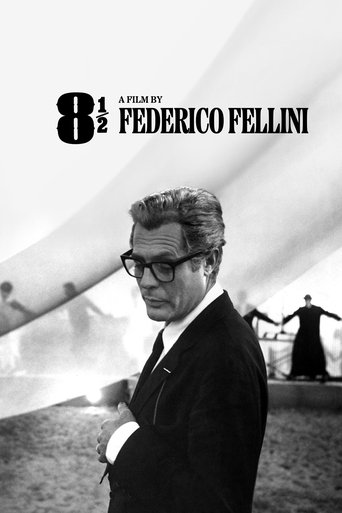
8½ (1963)
Another journey through memory and fantasy by a man facing his own failings, but Fellini's mood is playful and baroque where Bergman's is spare and tender.
Explore the era or movement
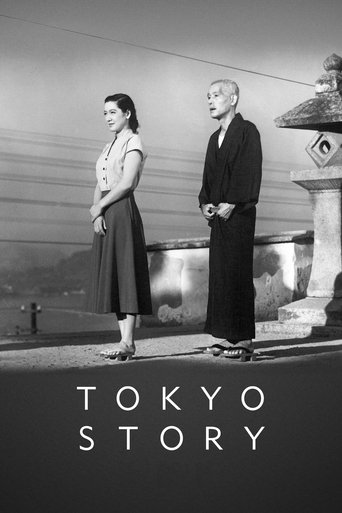
Tokyo Story (1953)
A quiet, humane look at age, family distance and disappointment, made in a very different culture but with the same patient attention.
See what influenced it
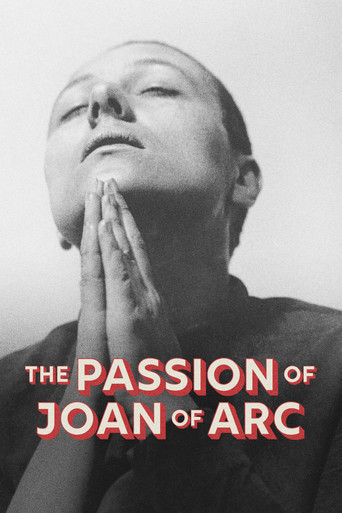
The Passion of Joan of Arc (1928)
Dreyer's film shows the power of faces in silent cinema, a tradition that Bergman and Sjöström carry into the sound era.
Explore the era or movement
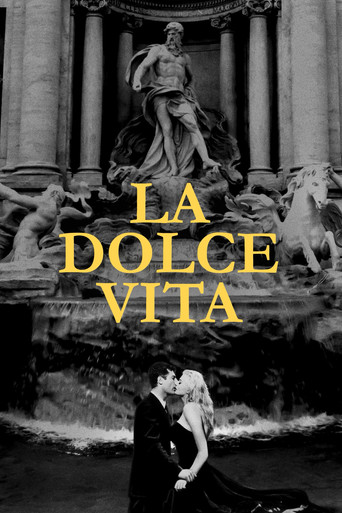
La Dolce Vita (1960)
A major European art film from the same period, offering a more restless, urban portrait of a man searching for meaning.

Jump forward
The 400 Blows (1959)
Another deeply personal, humane film from the same moment, showing how European cinema turned toward subjective experience.