

Drama
Wild Strawberries
Avg rating 8.6 / My rating TBC
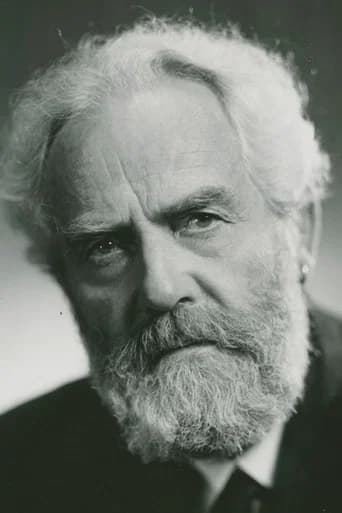
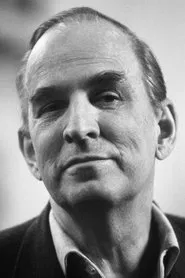
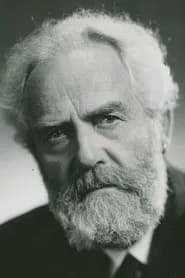
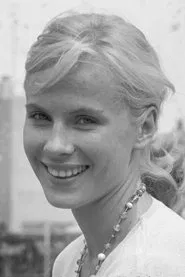
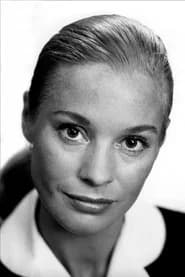
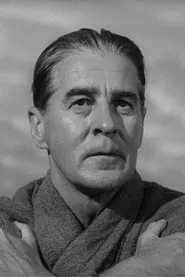
1957 · Directed by Ingmar Bergman · With Victor Sjöström, Bibi Andersson, Ingrid Thulin
- Art Cinema
- Auteur Cinema
An elderly professor of medicine sets out by car across Sweden to receive an honorary degree in the city where he studied. The day's journey, taken with his daughter-in-law and a few passengers, becomes a quiet reckoning with the life he has led. Reflective in tone, gentle in pace, and very human.
Film info
- Runtime
- 1h 31m · 91 min
- IMDb
- 8.1 / 10 (122,286 votes)
- Rotten Tomatoes
- 94% (critics)
- Metacritic
- 88 / 100
- TMDB
- 8.1 / 10 (audience, 1,866 votes)
- Trailer
- ▶ Watch the trailer
Before watching
Spoiler-free · about 2 minutes
Why watch this?
A landmark of postwar European art cinema
Made when Ingmar Bergman was establishing himself as a leading international auteur, it is among the most admired and widely seen of his early films, and a defining work of existential art cinema.
A silent-film pioneer gives a late, great performance
Victor Sjöström, who directed The Phantom Carriage (1921) and was a founding figure of Swedish silent cinema, plays the lead. His presence links the silent era to the 1950s.
Memory and dream handled with unusual simplicity
Bergman moves between present, recollection and nightmare without special-effects fuss. The result is emotionally direct, and a model for how film can show an inner life.
Why it matters in cinema history
A central film of 1950s European art cinema, it showed that a personal, psychological story told through memory and dream could reach audiences well beyond Sweden and helped establish the director as a major international figure.
Watch with intention
Your lens
Watch it as a journey in which the road trip is outward and the real travel is inward.
Three things to notice
- How the film shifts from the present into memory or dream, often within a single continuous shot, with little or no cutting to signal the change.
- The face of Victor Sjöström: how much he conveys through small reactions, stillness and glances while others speak.
- The contrast between bright, open summer light and stark, shadowy, bleaker imagery, and what each seems to suggest about the character's state of mind.
One question to carry with you
What would you want to look back on and judge about your own life, if you had one single day to do it?
- Industry
- Swedish cinema had a proud silent-era legacy but a smaller postwar profile. Bergman worked within the established studio Svensk Filmindustri, which gave him steady resources and a regular company of actors.
- Dominant styles
- European cinema of the 1950s increasingly favoured serious, adult dramas about conscience, faith and identity, in contrast to Hollywood's widescreen spectacles and genre cycles of the same years.
- Director's moment
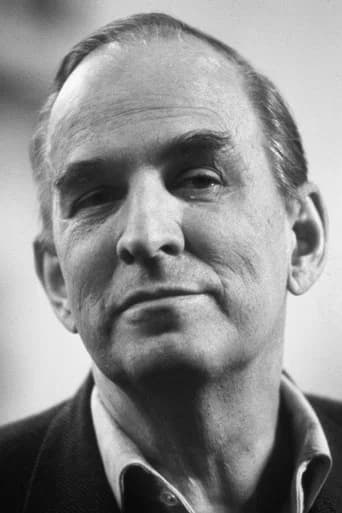
- Bergman had recently gained international attention with Smiles of a Summer Night and The Seventh Seal. This film followed soon after, confirming his reputation.
- Casting
- Victor Sjöström had been a major director in Sweden and Hollywood. Casting him in his final major screen role gave the film a living link to cinema's earlier generation.
Where it came from
Film
The Phantom Carriage (1921)
Directed by Sjöström, it uses ghostly visions and flashbacks to make a man confront his life, a clear ancestor of this film's moral dreamscape.
Tradition
Swedish silent cinema
Its landscapes, moral seriousness and psychological focus shaped Bergman's sense of cinema as an art of faces and nature.
Filmmaker
August Strindberg
The Swedish playwright's dream plays and portraits of strained families lie behind Bergman's blend of realism and dream.
This film
Wild Strawberries (1957)
New at the timeIt treated an old man's memories and dreams as ordinary, almost conversational parts of the narrative, with no flashy transitions, making psychological interiority feel natural on screen.
- Country and moment
- Sweden had stayed neutral in the Second World War and, by 1957, was affluent and modernising under long-ruling Social Democrats. The film looks at the emotional cost of a comfortable, orderly, reserved society.
- Society and audience
- Cold War fears, including nuclear anxiety, hung over Europe. Swedish culture was secularising, and the film's concerns with ageing, family distance and the meaning of a respectable life spoke to a society questioning its inherited values.
- Funding and standing
- Bergman had gained international recognition shortly before, with Smiles of a Summer Night at Cannes in 1956 and The Seventh Seal in 1957. This gave him more creative freedom within Swedish production, where he worked with a trusted team of actors and crew.
- The filmmaker's situation
- Bergman was in his late thirties, had a strict Lutheran pastor's household behind him, and had been through several marriages and strained family relationships. He drew on those memories, and on the Swedish landscape of his childhood summers, for the film's themes.
- Pace
- Unhurried and conversational. It is short, but built on quiet scenes, memory and reflection rather than plot momentum.
- Style
- Realistic road-movie surface mixed with dream sequences and flashbacks that are stylised but presented with great clarity.
- Performance
- Restrained and naturalistic, led by an elderly actor with a minimal approach, supported by Bibi Andersson and Ingrid Thulin.
- Colour/B&W
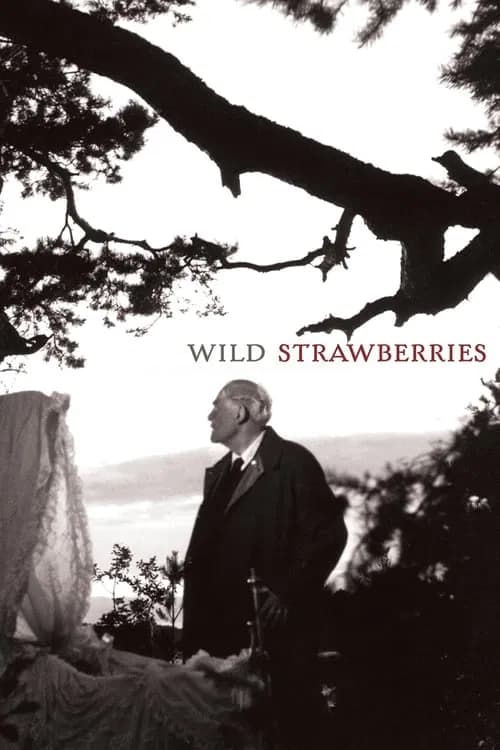
- Black and white, with stark contrasts and soft summer light.
- Language
- Swedish with subtitles. Dialogue is plain, and the nightmare scenes are largely visual.
15+
Suggested age
Teens
Germany (FSK 16) and Britain (BBFC 15) are close; 15 fits the film's reflective adult themes and slow pace, so it suits teens watching with you.
Official ratings
- UK15
- Germany16
Good for
Thoughtful teens who enjoy character-driven stories, with a gentle road-trip structure, beautiful black-and-white images, warm moments with young travellers, and a lot to discuss about ageing and family.
May unsettle
- Scary imagery: An early dream sequence is eerie and disturbing, with stark, unsettling images tied to death and fear.
- Mature themes: Explores regret, loneliness, death, difficult marriages and emotional coldness within families, treated seriously and without light relief.
- Intensity: Some scenes involve harsh, bitter arguments and painful honesty between adults.
- Pace: Slow, talky and dreamlike, moving between memory, dream and reality, which can be hard for younger viewers to follow.
Explain first
- It is a Swedish film in black and white with subtitles, so you will need to read along.
- The film moves between real life, memories and dreams, often without warning. Not everything shown is happening in the present.
Talk about it after
What do you think it means to live a good life, and how might the way we treat people close to us change how we are remembered?
Cinespective's own guidance, a draft: check it against the official ratings and your own judgement. Second opinions: Common Sense Media, IMDb (see its Parents Guide). Ratings from TMDB.