

Drama
8½
Avg rating 8.8 / My rating TBC
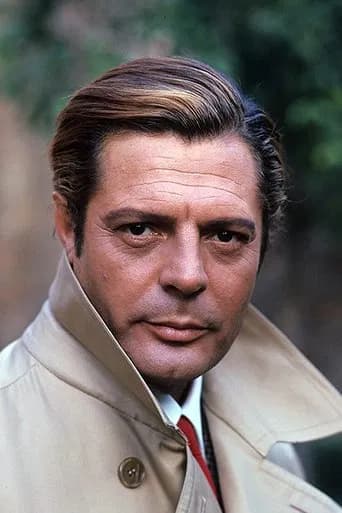
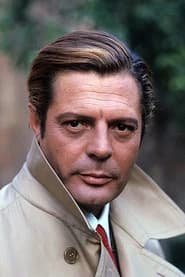
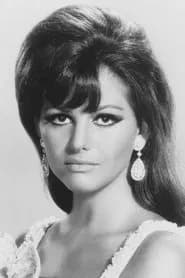
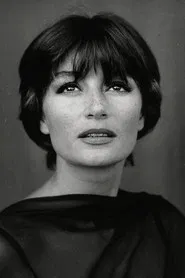
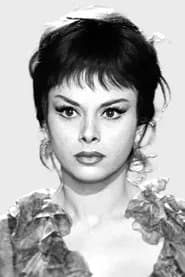
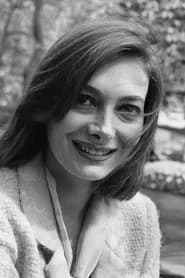
1963 · Directed by Federico Fellini · With Marcello Mastroianni, Claudia Cardinale, Anouk Aimée
- Art Cinema
- Auteur Cinema
Guido, a celebrated film director, arrives at a spa to rest while a big new production is already being built around him. He has no idea what the film is about, and producers, actors, a wife and a mistress all want answers. Memory, fantasy and daily life blur together.
Film info
- Runtime
- 2h 19m · 139 min
- Format
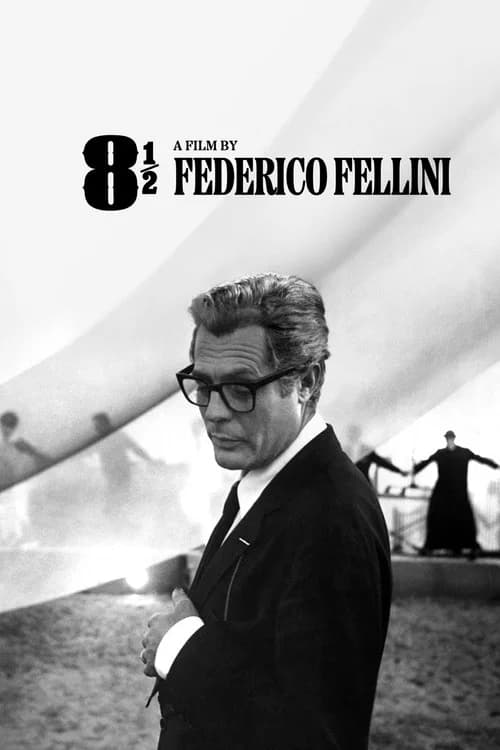
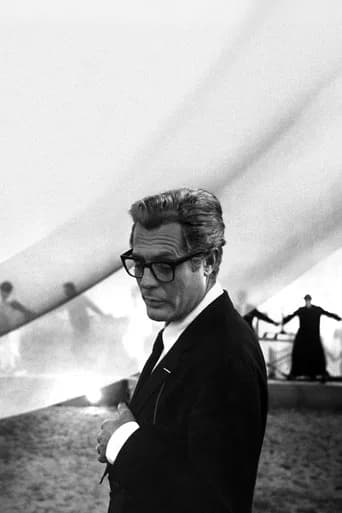
- Black and white, widescreen-style 1.85:1 frame, with polished, high-contrast photography by Gianni Di Venanzo.
- IMDb
- 8.0 / 10 (131,757 votes)
- Rotten Tomatoes
- 97% (critics)
- Metacritic
- 93 / 100
- TMDB
- 8.1 / 10 (audience, 2,604 votes)
- Trailer
- ▶ Watch the trailer

Before watching
Spoiler-free · about 2 minutes
Short on time? Spoiler-free
A 3-minute summary
Why watch this?
The landmark film about making a film
Fellini's 8½ is the most influential cinema portrait of creative crisis. It turned a director's own doubts into the subject, and filmmakers have been answering it ever since.
Fellini at his peak, with Mastroianni as his double
It follows La Dolce Vita and is the point where Fellini moves fully from neorealist roots into personal, dream-driven cinema. Mastroianni's weary charm anchors the whole film.
A film that shows how to read cinema's freedom
Reality, memory and fantasy share the same visual space with no warning. Watching it teaches you how editing and design can show an inner life rather than explain it.
Why it matters in cinema history
A defining film of European auteur cinema of the early 1960s, and the model for the self-reflexive film about a director's own creative process.
Watch with intention
Your lens
Watch it as a mind rather than a plot: every scene is a state of Guido's thinking, whether or not it is literally happening.
Three things to notice
- How the film moves between present, memory and fantasy with no title cards or obvious cues, and what small shifts in light, music or movement tell you.
- The way people press close around Guido, asking, flattering, complaining, and how Mastroianni keeps his face and manner calm while avoiding them.
- Nino Rota's score, which sounds circus-like and playful even in moments of strain, and how it colours the tone of otherwise tense scenes.
One question to carry with you
If an artist truly has nothing left to say, what could an honest film about that situation possibly look like?
- Italian cinema
- Fellini began in the neorealist circle around Rossellini. By 1960 Italian cinema was moving from social realism toward more subjective, psychological stories, with Antonioni as another leading figure.
- Director's moment
- After the huge international success of La Dolce Vita (1960), Fellini faced great expectations and was reportedly stuck about what to make next. That pressure became the subject of this film.
- European art cinema
- The French New Wave and the festival circuit had made the director's personal vision the main selling point, so a film about a director's inner life suited the moment.
- Industry
- Producers could back a big, expensive black-and-white European film on the strength of a director's name alone, which is the very situation the film dramatizes.
Where it came from
Film
La Dolce Vita (1960)On Cinespective
Fellini's previous film brought fame and expectation, and Mastroianni's role as an observer in a restless world is carried forward into Guido.
Film
Wild Strawberries (1957)On Cinespective
Bergman's film also mixes dream, memory and present as a man reviews his life, helping establish the inward European art film.
Movement
Italian Neorealism
Fellini worked with Rossellini and wrote for neorealist films, and the film's rejection of strict realism shows how far he had moved from that tradition.
This film
8½ (1963)
New at the timeIt made a director's creative paralysis the whole subject and let dream, memory and present reality mix freely without any signposting.
- Italy's economic miracle
- In the late 1950s and early 1960s Italy changed quickly from a poorer, rural country into an industrial, consumer society. Rising wealth, new media and a busy cultural scene form the backdrop of the film's world.
- Church and morality
- Catholic teaching still strongly shaped Italian family life, sexuality and guilt, even as habits were loosening. Fellini's own Catholic upbringing in Rimini and the Church's influence on society feed the film's themes.
- Censorship and controversy
- Italy still had film censorship and Church-linked pressure groups. Fellini's previous film, La dolce vita (1960), caused public scandal and condemnation from Catholic circles, as well as worldwide fame.
- The filmmaker's situation
- After La dolce vita, Fellini faced huge expectations from critics, producers and the public. He reportedly struggled to settle on his next project, and that creative impasse became the subject of this film.
- Pace
- Fluid and episodic rather than plot-driven. Scenes arrive by association, so settle into the mood and don't try to track a conventional story.
- Style
- Dreamlike, comic and melancholy at once, with crowded, choreographed scenes and long moving shots.
- Colour / format
- Black and white, widescreen-style 1.85:1 frame, with polished, high-contrast photography by Gianni Di Venanzo.
- Language
- Italian with some French, English and German. Subtitles are needed, and the film was post-dubbed as Italian films of the era commonly were.
- Performance
- Mastroianni plays a worn, charming man mostly through reaction and gesture. The supporting cast is large, and several roles are deliberately archetypes.
14+
Suggested age
Teens
Ratings range from unrated (US) and 12 (DE) to 15 (GB); the adult themes, dreamlike structure and length suit mid-teens better than younger children.
Official ratings
- USNR
- UK15
- Germany12
- FranceTP
Good for
Older teens interested in filmmaking, art or surreal imagery may enjoy its inventive visuals, playful humour, famous Nino Rota score and honest look at creative block.
May unsettle
- Mature themes: Infidelity, a strained marriage, sexual desire and a man's complicated view of women run throughout, with some suggestive scenes and partial nudity.
- Religious guilt: Childhood memories show strict religious schooling and shame about sexuality, which some viewers may find uncomfortable.
- Pace: Dreams, memories and reality blend without clear signals, and the loose, episodic story can be hard to follow for younger viewers.
- Dated attitudes: Women are often seen through the lead character's fantasies and expectations, reflecting 1960s attitudes that the film examines but still shows.
Explain first
- It is a black-and-white Italian film with subtitles, so you will need to read along for over two hours.
- The story moves between real life, memory and fantasy, often without warning. Not everything is meant to be literal.
Talk about it after
Why might an artist struggle to make something when everyone expects a great result, and how do you handle that pressure yourself?
Cinespective's own guidance, a draft: check it against the official ratings and your own judgement. Second opinions: Common Sense Media, IMDb (see its Parents Guide). Ratings from TMDB.