

Drama
12 Angry Men
Avg rating 9.3 / My rating TBC
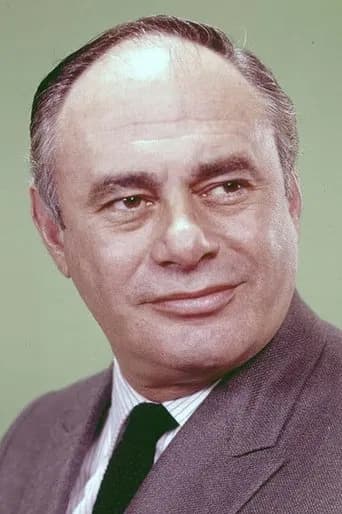
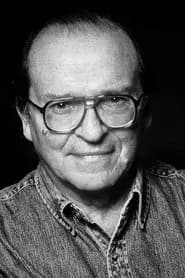
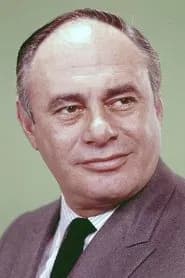
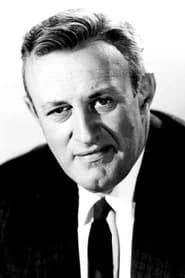
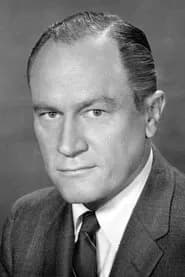
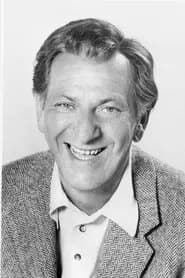
1957 · Directed by Sidney Lumet · With Martin Balsam, John Fiedler, Lee J. Cobb
- Classical Hollywood
- Courtroom Drama
- Suspense
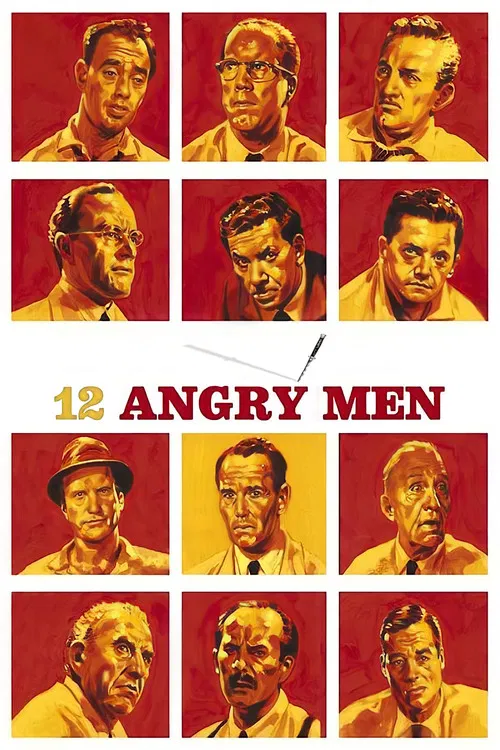
Twelve jurors are locked in a sweltering New York jury room to decide the fate of a teenager accused of killing his father. The case looks simple, but a single question is enough to unsettle a room full of strangers. Almost the entire film takes place at one table.
Film info
- Runtime
- 1h 37m · 97 min
- Format
- Black and white, about 97 minutes, in a boxy near-standard frame. English-language, no subtitles needed.
- IMDb
- 9.0 / 10 (981,488 votes)
- Rotten Tomatoes
- 100% (critics)
- Metacritic
- 97 / 100
- TMDB
- 8.6 / 10 (audience, 10,424 votes)
- Trailer
- ▶ Watch the trailer
Before watching
Spoiler-free · about 2 minutes
Short on time? Spoiler-free
A 3-minute summary
Why watch this?
Sidney Lumet's debut and the model jury-room drama
Sidney Lumet's first feature, adapted from Reginald Rose's live television play, set the template that later jury dramas and stage-to-screen adaptations still follow. It launched one of American cinema's most durable careers.
A masterclass in staging one room
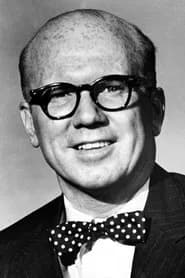
Lumet and cinematographer Boris Kaufman keep a single set tense and varied for the full running time. Camera height, lens choice and blocking steadily tighten the space around the men.
An ensemble where every voice is a person
Twelve men, most known only by a number, become distinct through speech, posture and temper. The film turns argument itself into suspense, with no chase or courtroom spectacle.
Why it matters in cinema history
A defining American film of the live-television generation's move into cinema, and the most influential example of the jury-room drama, proving that talk in one room could sustain a feature.
Watch with intention
Your lens
Watch it as a study in how the camera can change a single room without ever leaving it.
Three things to notice
- Where the camera sits relative to the men's eyes. It starts high and gradually drops, and the ceiling begins to appear in the frame.
- How the men are seated, who stands, who drifts to the window, and who stays apart. Positions in the room signal alliances before anyone says them.
- The details of the room: the heat, the fan, the weather outside. They create pressure as dialogue builds, with almost no music.
One question to carry with you
Most of these men are never given a name. What does the film make you know about each of them anyway, and how?
- Television's shadow
- By 1957 live TV drama was a prestige form in America and drained cinema audiences. Rose's play first aired in 1954 on CBS, and the film grew directly from it.
- Hollywood's answer
- The studios fought television with colour, widescreen and spectacle, as in The Ten Commandments (1956). This film went the opposite way: black and white, one set, no spectacle.
- Director's moment
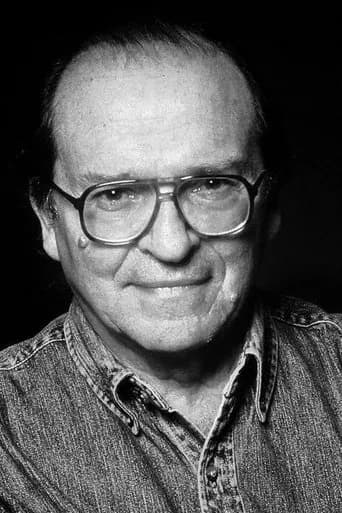
- Lumet came from live television and had never directed a feature. Henry Fonda co-produced with Rose, so the film was an independent project built around its actors and its script.
Where it came from
Tradition
Golden Age of live television drama
Rose's play and Lumet's directing skills came from 1950s live anthology television, which trained writers and directors in tight, actor-centred drama.
Tradition
Chamber drama and the well-made stage play
A single location, a limited cast and a plot driven by argument link the film to stage traditions of confined, dialogue-based drama.
Filmmaker
Boris Kaufman
The cinematographer, who had shot Jean Vigo's films in France and later worked on On the Waterfront, brought a disciplined realist visual style to the project.
This film
12 Angry Men (1957)
New at the timeIt brought the intimate, actor-driven tension of live television drama to the big screen and treated a single room as a complete cinematic world.
- Country and moment
- In 1957 the USA was prosperous but fearful of the Cold War. Public debate dwelt on conformity, mistrust of neighbours and the McCarthy-era habit of judging people by suspicion and association.
- Justice and prejudice
- The film appeared amid anxiety about juvenile delinquency and urban slums, and about prejudice against poor and immigrant communities. It treats jury duty as a civic responsibility, an idea much discussed in American life.
- Origins in television
- Reginald Rose wrote the story as a 1954 live CBS television play, inspired by his own jury service. Henry Fonda co-produced the film with Rose, and it was made quickly on a small budget.
- The filmmaker's situation
- Sidney Lumet came from stage and live TV drama, and this was his first feature. Its modest commercial returns contrasted with its later reputation as a classic.
- Pace
- Conversation-driven and steadily escalating. It begins calmly and builds through argument, not action. Nothing happens outside the room.
- Style
- Stage-like but cinematic: long takes, deep focus, tight close-ups and carefully planned blocking within one set.
- Performance
- Intense ensemble acting, with raised voices and sharp contrasts of temperament. Some delivery is theatrical, in keeping with its television roots.
- Format
- Black and white, about 97 minutes, in a boxy near-standard frame. English-language, no subtitles needed.
- Sound
- Dialogue is everything. Music is sparse, so voices, silence and ambient noise carry the mood.
12+
Suggested age
Teens
German FSK rates it 12, while BBFC (PG/U) and France (TP) allow all ages; because it is talky, tense and in black and white, 12 suits watching together.
Official ratings
- USNR
- UKPG / U
- Germany12
- FranceTP
Good for
Older children and teens who enjoy tense, dialogue-driven drama, and families wanting to discuss fairness, justice, responsibility and how people make serious decisions together.
May unsettle
- Intensity: Heated, shouting arguments and escalating tempers fill almost the whole film, in a cramped room with a growing sense of pressure.
- Mature themes: A murder trial with the death penalty at stake; the film discusses violence and a young person's life hanging in the balance.
- Dated attitudes: Some characters voice prejudiced views about people from poor neighbourhoods, and the cast is entirely male and white.
- Pace: Nearly all of it takes place in one room, in black and white, relying on talk rather than action.
Explain first
- The story centres on a jury: twelve citizens must reach a unanimous verdict in a criminal trial, and the outcome carries serious consequences.
- It is a black-and-white film from 1957, set almost entirely in one room, so expect conversation rather than action.
- Prejudice is part of the story; some characters speak with bias, and the film invites viewers to notice and question it.
Talk about it after
When a group of people must make an important decision together, what helps them judge fairly, and what can get in the way?
Cinespective's own guidance, a draft: check it against the official ratings and your own judgement. Second opinions: Common Sense Media, IMDb (see its Parents Guide). Ratings from TMDB.