

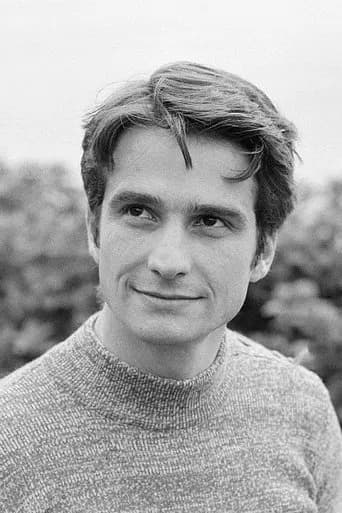
Drama
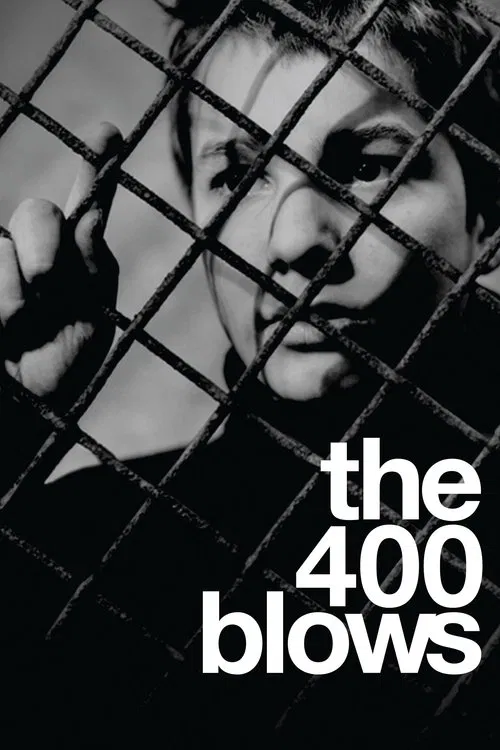
The 400 Blows
Avg rating 8.6 / My rating TBC
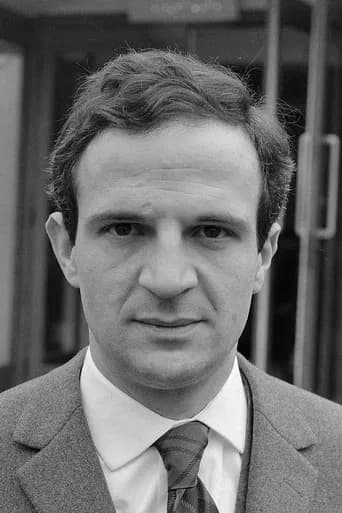
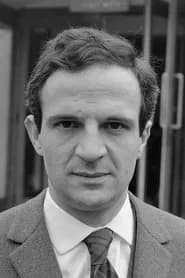
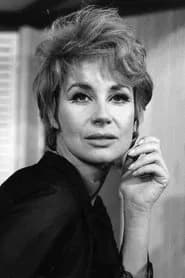
1959 · Directed by François Truffaut · With Jean-Pierre Léaud, Claire Maurier, Albert Rémy
- French New Wave
- Art Cinema
- Auteur Cinema
A restless Parisian schoolboy, misunderstood at school and uneasy at home, drifts through streets and cinemas looking for a little freedom. Truffaut's first feature is tender, observant and unsentimental, told from a child's level rather than an adult's.
Film info
- Runtime
- 1h 39m · 99 min
- Format
- Black and white, widescreen (about 2.35:1), shot largely on location in Paris.
- IMDb
- 8.0 / 10 (134,367 votes)
- Rotten Tomatoes
- 99% (critics)
- TMDB
- 8.0 / 10 (audience, 2,394 votes)
- Trailer
- ▶ Watch the trailer

Before watching
Spoiler-free · about 2 minutes
Short on time? Spoiler-free
A 3-minute summary
Why watch this?
The film that launched the French New Wave
Truffaut's first feature, made after years as a sharp critic, was the breakthrough that put the New Wave on the world map in 1959 and won him Best Director at Cannes.
A child's point of view, without sentimentality
Childhood is rarely shown this honestly. The film trusts small gestures, bad choices and silences over speeches, and Jean-Pierre Léaud's performance gives it a rawness that still feels unforced.
Cinema that feels like real streets and real time
Location shooting in Paris, light equipment and a mobile camera make the city a living presence. It is a good way to see how the New Wave loosened film grammar.
Why it matters in cinema history
A defining film of the French New Wave and the model for the personal, semi-autobiographical debut. It showed that a small, observant, low-budget film could carry as much authority as the polished studio cinema it challenged.
Watch with intention
Your lens
Watch it as a film about being looked at, judged and misread by adults, while the camera tries to simply look at the boy.
Three things to notice
- How often the camera stays with Antoine in motion, walking or running through Paris, rather than cutting away for explanation.
- How the adults speak: teachers, parents and officials mostly give orders or accusations, rarely real questions.
- The small pleasures and escapes in the film, from the cinema to a street fair, and how the mood lightens in them.
One question to carry with you
Is Antoine really a troublemaker, or does everyone around him simply stop listening long before he misbehaves?
- Industry
- French production was dominated by literary, studio-bound adaptations. Young directors had few routes in, until cheaper, lighter equipment and new financing made small independent features possible.
- Dominant styles
- Critics at Cahiers du Cinéma attacked this 'tradition of quality' as stiff and over-written, and championed directors with a personal voice, from Hitchcock and Hawks to Renoir and Rossellini.
- Director's moment
- Truffaut was a notorious critic, reportedly unwelcome at Cannes in 1958. A year later he returned with his own first feature, which meant his theories were now on trial.
- Technology
- Fast black-and-white stock, portable cameras and location sound let filmmakers leave the studio. Shot in widescreen, the film still keeps a documentary closeness.
Where it came from
Film
Zero for Conduct (1933)
Jean Vigo's anarchic school film showed childhood rebellion against institutions and was a clear spiritual ancestor for Truffaut's boyhood portrait.
Movement
Italian Neorealism
Location shooting, ordinary people and the observation of social reality, especially in films with children at their centre, shaped the film's look and ethics.
Tradition
Cahiers du Cinéma criticism
The magazine's attacks on stiff studio filmmaking and its defence of personal directors gave Truffaut the ideas he put into practice.
This film
The 400 Blows (1959)
New at the timeA first-person, location-shot portrait of childhood by a former critic, treating a boy's inner life with the seriousness usually reserved for adult drama.
- Country and moment
- France was rebuilding and modernising after the Second World War, but Paris still had cramped, overcrowded housing. The Algerian War and political crisis brought de Gaulle back to power in 1958, the year before the film's release.
- Youth and schooling
- Postwar France was newly interested in its young people, and in the strictness of its schools and the limits of family life. The film looks at childhood from a child's point of view, which was unusual for the time.
- The filmmaker's situation
- Truffaut had been a hard-hitting critic at Cahiers du cinéma, and this was his first feature. He drew on his own troubled childhood and adolescence in Paris. Success at Cannes in 1959 made him a leading figure of the New Wave.
- Society and audience
- Many French viewers had grown tired of the official, polished image of the nation. A new generation of filmmakers and young audiences welcomed a personal, street-level portrait of ordinary Paris life.
- Pace
- Unhurried and episodic. Scenes build a life rather than a plot, but the film is short and never drags.
- Tone
- Comic, tender and sad by turns, often within the same scene. Not a melodrama, despite the subject.
- Performance
- Naturalistic, with a very young lead and many non-star faces. Some scenes feel improvised.
- Format
- Black and white, widescreen (about 2.35:1), shot largely on location in Paris.
- Language
- French with subtitles. The title is an idiom meaning roughly to raise hell, not a literal count of blows.
12+
Suggested age
Teens
Ratings range from GB PG and French all-ages (TP) to German FSK 12; 12 suits the subtitles, slow pace and emotional weight, though younger children can watch with you.
Official ratings
- USNR
- UKPG
- Germany12
- FranceTP
Good for
A humane, beautifully observed portrait of boyhood and Paris, with playful, mischievous moments. Good for teens curious about classic cinema and the French New Wave.
May unsettle
- Emotional neglect: A child is often scolded, misunderstood and treated harshly by adults. Quietly sad rather than graphic, but it may affect sensitive viewers.
- Harsh discipline: Strict, unfair punishment at school and at home, including some physical roughness and humiliation.
- Mature themes: Family tension, dishonesty and adult relationships are present, handled without explicit detail.
- Pace: Black-and-white, subtitled and episodic, with a gentle, unhurried rhythm that younger children may find slow.
Explain first
- It is in French with subtitles, so older children will need to read along. Younger ones may need help keeping up.
- It is set in 1950s Paris, where school discipline and family expectations were much stricter than today.
- It is black-and-white and unhurried, more a series of moments from a boy's life than a plot-driven adventure.
Talk about it after
Why do you think Antoine acts the way he does, and how might the adults around him have handled things differently?
Cinespective's own guidance, a draft: check it against the official ratings and your own judgement. Second opinions: Common Sense Media, IMDb (see its Parents Guide). Ratings from TMDB.