

Comedy · Drama
La Dolce Vita
Avg rating 8.8 / My rating TBC
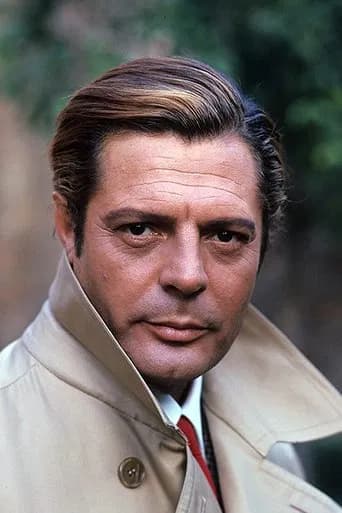
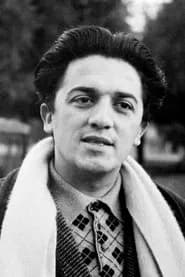
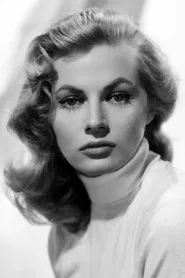
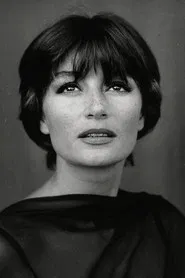
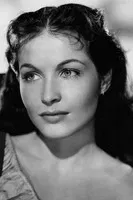
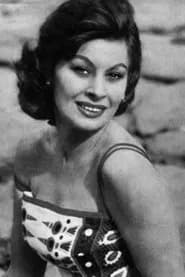
1960 · Directed by Federico Fellini · With Marcello Mastroianni, Anita Ekberg, Anouk Aimée
- Art Cinema
- Auteur Cinema
A journalist drifts through a week of nights in Rome, chasing celebrities, scandals and a half-abandoned ambition to write something serious. Fellini turns the city's glamour into a long, episodic, richly staged portrait of pleasure and its aftertaste.
Film info
- Runtime
- 2h 54m · 174 min
- Format
- Black and white, widescreen. Runs 174 minutes, so it suits a settled evening.
- IMDb
- 8.0 / 10 (84,821 votes)
- Rotten Tomatoes
- 95% (critics)
- Metacritic
- 95 / 100
- TMDB
- 8.0 / 10 (audience, 2,086 votes)
- Trailer
- ▶ Watch the trailer
Before watching
Spoiler-free · about 2 minutes
Why watch this?
Fellini's breakthrough and a Palme d'Or winner
This is the film that made Federico Fellini an international name and won the Palme d'Or at Cannes in 1960. It marks his shift from neorealist roots to a personal, spectacular style.
It gave modern media culture a vocabulary
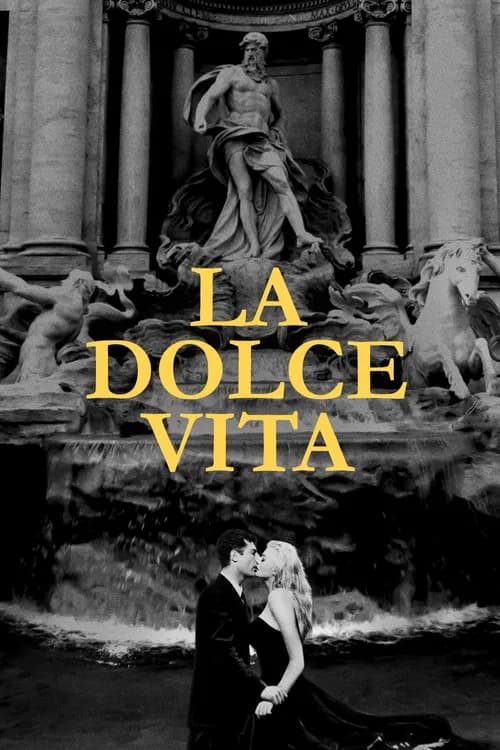
The photographer named Paparazzo is the source of the word paparazzi, and the Trevi Fountain scene became one of cinema's best-known images. Much of what celebrity coverage looks like was sketched here.
A new, loose way to build a long film
Instead of a tight plot, it strings together episodes over seven days and nights. Learning to watch this structure prepares you for 8½ and for much of European art cinema.
Why it matters in cinema history
A defining film of 1960s European art cinema, it showed that a three-hour, plotless social panorama could be a popular success and a major critical event.
Watch with intention
Your lens
Watch it as a series of nights, each a different answer to the same question: what is Marcello looking for?
Three things to notice
- How often Marcello is placed at the edge of a crowd, watching or being watched, rather than at the centre of the action.
- The contrast between the staged, elaborate set pieces and the quieter two-person scenes, and how the pacing shifts between them.
- How Nino Rota's music moves between dance-band cheer, church-like solemnity and something slightly sour.
One question to carry with you
Is Marcello choosing this life, or is it simply the easiest thing available to him?
- Industry
- Italy's postwar boom produced Cinecittà productions, Via Veneto celebrity culture and a booming press. The film arrived as the country was changing quickly, and rebuilt that street on a studio set.
- Dominant styles
- Italian cinema was still associated with neorealism: location shooting, ordinary people, social hardship. Fellini kept its curiosity about society but moved toward fantasy, ceremony and stylisation.
- Audience
- Church and conservative critics attacked the film's portrait of decadence, yet audiences came in very large numbers in Italy and abroad, helped by the scandal.
- Director's moment
- After La Strada and Nights of Cabiria, Fellini was already admired. This was his biggest canvas: long running time, huge sets, and a far more cynical protagonist.
Where it came from
Movement
Italian Neorealism
Fellini worked on neorealist scripts and kept their attention to contemporary society, while moving away from their plain surfaces.
Film
I Vitelloni (1953)
Fellini's earlier portrait of aimless young men in a provincial town anticipates Marcello's drift in a smaller, warmer form.
Film
Nights of Cabiria (1957)
A nocturnal Rome of hopeful, battered people, written with Flaiano and Pinelli, which La Dolce Vita expands and darkens.
This film
La Dolce Vita (1960)
New at the timeA near-three-hour film built from loosely linked episodes rather than a conventional story, treating a whole society's appetite for spectacle as its subject.
- Economic miracle
- Between the mid-1950s and early 1960s Italy moved from postwar poverty to rapid industrial growth, with new consumer wealth, cars and television. The film looks at what this prosperity did to values and relationships.
- Rome and the press
- Via Veneto was a hub for foreign stars, Cinecittà productions and paparazzi, and the gossip press was growing fast. Fellini drew on this world, which gave the film its sense of scandal and spectacle.
- Church and censorship
- Catholic Italy still had strong religious and political authority through the Christian Democrats. The film's portrait of faith and morality drew condemnation from Church circles and conservatives, and some viewers called for it to be banned, though it became a huge success.
- The filmmaker's situation
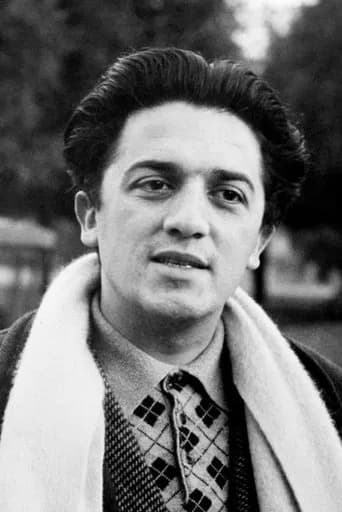
- Fellini began in Rome as a journalist and cartoonist and moved from neorealist-era scriptwriting to directing. By 1960 he was an internationally known director, and this film was a long, expensive project with a big budget and ambitions beyond his earlier work.
- Pace
- Unhurried and episodic. There is no ticking-clock plot; each sequence is a self-contained night with its own mood.
- Style
- Elaborate staging, long takes and crowd scenes, mixing satire, melancholy and moments of dreamlike strangeness.
- Format
- Black and white, widescreen. Runs 174 minutes, so it suits a settled evening.
- Language
- Mostly Italian with some English and French; subtitles are needed for most viewers.
- Performance
- Marcello Mastroianni plays a passive, observant, charming lead. Anita Ekberg, Anouk Aimée and Alain Cuny each get a major episode.
15+
Suggested age
Teens
Ratings range from FR all audiences and BBFC 12A/FSK 12 to US unrated; the adult themes, three-hour length and subtitles make mid-teens a better fit.
Official ratings
- USNR
- UK12A
- Germany12
- FranceTP
Good for
Older teens curious about classic European cinema may enjoy the striking black-and-white images, Rome's glamorous setting, the sharp satire of fame and the media, and plenty to discuss.
May unsettle
- Distressing themes: Despair, loneliness and loss are treated seriously and can be emotionally heavy, especially for younger or sensitive viewers.
- Mature themes: Casual affairs, heavy drinking and decadent parties, with some suggestive moments. Nothing is explicit, but the focus is on adult lives.
- Pace: Nearly three hours of loosely connected episodes with little conventional plot. Younger viewers may lose patience.
Explain first
- It is in Italian with subtitles and in black and white, so you'll need to read along throughout.
- The story is a series of episodes in one man's life, not a single plot, so it may feel meandering.
- It satirises celebrity, tabloid journalism and the Church's place in 1960s Rome; some jokes assume that context.
Talk about it after
Why might the main character keep chasing excitement, and what do you think he is really looking for?
Cinespective's own guidance, a draft: check it against the official ratings and your own judgement. Second opinions: Common Sense Media, IMDb (see its Parents Guide). Ratings from TMDB.