Drama
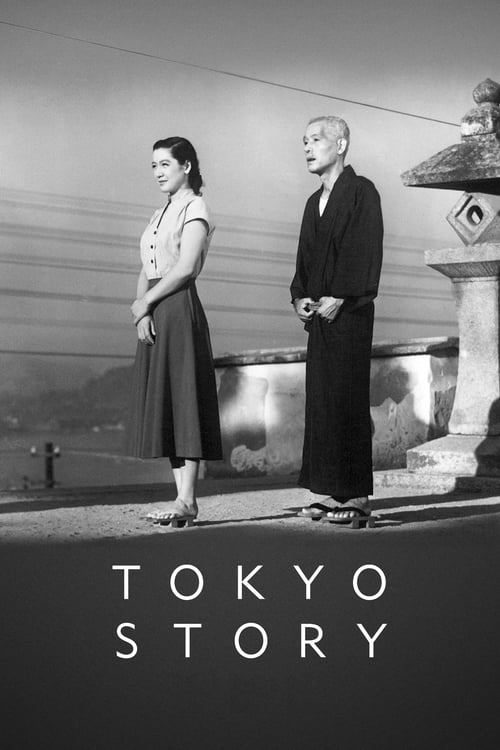
Tokyo Story
Japanese (Tōkyō Monogatari)
1953 · Directed by Yasujirō Ozu · 137 min


Drama
Japanese (Tōkyō Monogatari)
1953 · Directed by Yasujirō Ozu · 137 min

Meaning, unpacked
Central idea
The film can be read as a study of how people drift apart through ordinary life, without villains. It sets duty, affection and busyness against each other, and asks what we truly owe those who raised us.
What it means
An old couple travel to Tokyo to visit their grown children, who are too busy to make much of them. After the mother dies, the most kindness has come from Noriko, the person with the least obligation to give it.
There are no villains here. Duty, affection and busyness pull against each other, and Ozu refuses to condemn. Even the most dismissive child has real pressures, and the gap between generations is a social change as much as a moral failure. Noriko welcomes the couple into her small apartment with far fewer resources than the others, and nobody comments on it. The film quietly asks whether love is a matter of family ties or of choice. Its last conversation, between Noriko and the father, has no outburst, only a bittersweet acceptance: what the Japanese call mono no aware, a gentle awareness of passing things.
Why it mattered
Tokyo Story is a defining work of the Japanese golden age and of the shomin-geki, the drama of ordinary families. It carried Ozu's minimalism to an international audience. There are almost no camera movements, no big plot events and no music swells. The emotion comes from placement, pauses and small gestures, and it teaches you to watch differently.
The method was distinctive. Cinematographer Yūharu Atsuta kept the camera low and level, around waist height. Ozu ignored standard continuity rules such as the 180-degree line, so conversations become a pattern of faces looking almost into the lens. Between scenes come pillow shots of rooftops, laundry and trains that let the feeling settle. He also demanded precise, restrained acting, and his actors repeated gestures exactly.
Before anyone tells you what to think: what did you make of it?
Log in to rate it and leave commentsIt takes one click with Google or an email link. You come straight back here.
Rate it, keep your notes, and find the next film.
Free, no ads. Your journal, your lists, a Cine Guide that remembers you.
Create your free spaceThe film was well received in Japan. Abroad, Ozu was thought too Japanese, and Western audiences only reached it in the late 1950s and after. It won no recognition from the Academy Awards or Cannes. Yet Ozu grew from a little-known figure abroad into one of the most admired directors in the world, and this is now his signature film, widely cited as one of the great humanist works of cinema.
Its quiet, observational approach shaped Hou Hsiao-hsien, Abbas Kiarostami, Wim Wenders and Hirokazu Kore-eda. It is a staple of film courses, and its story of busy children and visiting parents is often invoked when people talk about ageing parents and filial duty. Yoji Yamada's Tokyo Family, from 2013, retells it in modern Japan. Perhaps that is why it lasts: nearly everyone will be the child in one season of life and the parent in another.
What happens
Tomi's funeral ends, and the children leave quickly. Noriko stays, and Shukichi gives her Tomi's watch and urges her to remarry. She confesses she is not as selfless as he thinks, weeps, and returns to Tokyo, leaving him alone.
The last image
Shukichi sits alone in his quiet house by the sea, with the empty stillness of the home around him.
What it says
The ending is clear and offers no consolation. Kindness comes from Noriko, not blood, and life simply moves on. Ozu withholds any outburst, leaving a quiet, bittersweet acceptance of loss: mono no aware, a gentle awareness of passing things.
Or follow an idea from this film

Continue the director
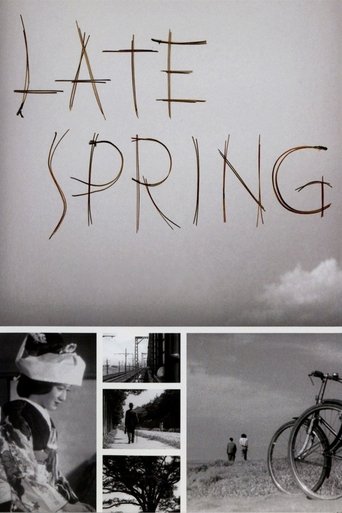
Late Spring (1949)
The film that established Ozu's postwar manner, with Setsuko Hara again at the centre. It is shorter and shows the same style in an earlier form.
Compare another approach
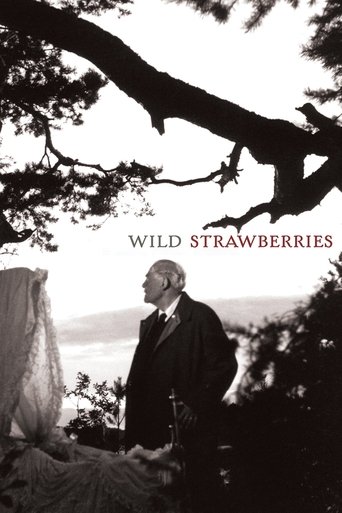
Wild Strawberries (1957)
Another humane study of an old man reckoning with family and time, but with Bergman's dream-like, psychological approach in contrast to Ozu's calm surface.
Explore the era or movement
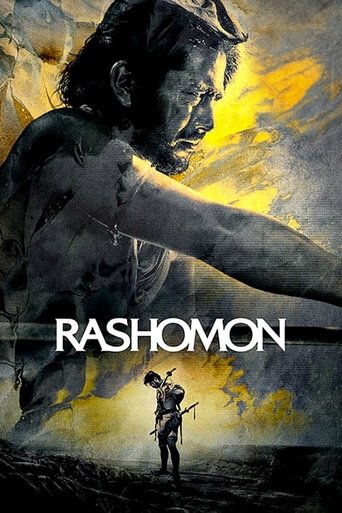
Rashomon (1950)
The film that brought Japanese cinema to the West. It is stylistically opposite to Ozu, showing the range of the golden age.
Follow the idea
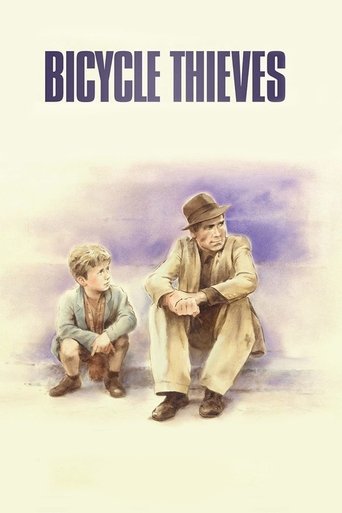
Bicycle Thieves (1948)
Another film about ordinary people in a changing postwar society, observed with compassion and without melodrama.
See what influenced it
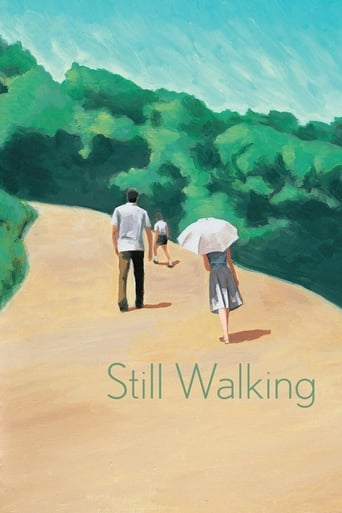
Still Walking (2008)
A modern Japanese family drama that carries Ozu's attentiveness to small gestures into the twenty-first century.