Adventure · History · War
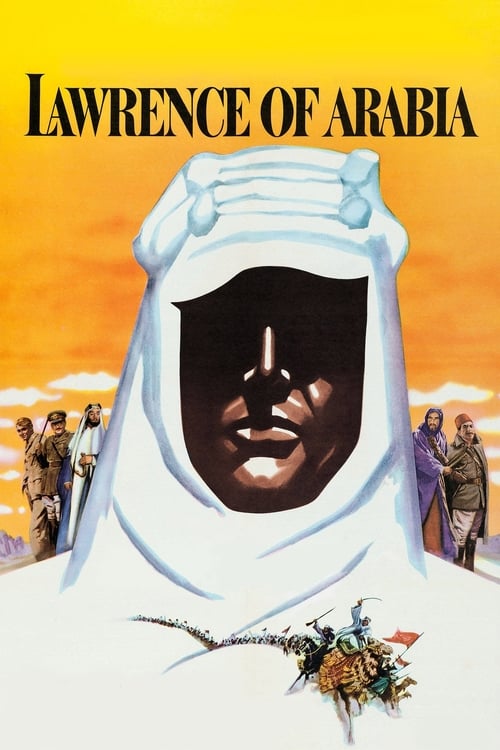
Lawrence of Arabia
British
1962 · Directed by David Lean · 228 min


Adventure · History · War
British
1962 · Directed by David Lean · 228 min
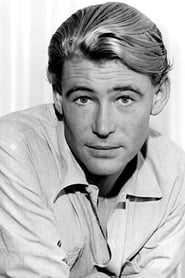

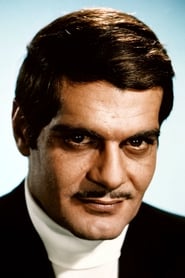


Meaning, unpacked
Central idea
The film can be read as an investigation of charisma and self-invention: how a man's belief in his own destiny can inspire thousands and also damage him, while the historical forces around him, not his will, set the real limits.
What it means
A British officer joins the Arab Revolt, becomes a legend, and is hollowed out by it. You know the story. The better question is what the film thinks it is doing with him. Its central idea is charisma: a man's belief in his own destiny can inspire thousands, and it can also damage him, while the historical forces around him, not his will, set the real limits.
Lawrence keeps changing costume, manner and loyalties, and the film keeps asking which version is real. Think of the match he holds. The trick, he says, is not minding that it hurts. It is a party piece, and it is also a confession. Robert Bolt's script tells the story through other people's views of him, so the film is about the man and about how legends get made. Deraa is the turn: captured and brutalised, he loses his certainty, and adventure gives way to psychological damage.
Why it mattered
In 1962 it showed that spectacle could carry more than pageantry. A widescreen historical epic could also be a morally complex, adult character study, one that is uneasy about empire and about how thrilling it makes war look for its hero. It won seven Academy Awards, including Best Picture and Best Director, and was a major commercial success.
Its craft set a standard. Freddie Young shot in 70mm with long lenses, so the desert becomes a character: mirages, endless horizons, tiny moving figures. Anne Coates cut boldly across time and distance, then let the desert breathe. Maurice Jarre's sweeping score became one of the best-known in cinema. And Peter O'Toole, little known abroad, became a star.
Before anyone tells you what to think: what did you make of it?
Log in to rate it and leave commentsIt takes one click with Google or an email link. You come straight back here.
Rate it, keep your notes, and find the next film.
Free, no ads. Your journal, your lists, a Cine Guide that remembers you.
Create your free spaceIts image of Lawrence in white robes against the dunes largely replaced the real man in public memory. It made O'Toole a star and gave Omar Sharif an international career. Spielberg, Scorsese and Ridley Scott have cited it as a model of scale, and its desert imagery echoes in later science fiction and epics. It shaped what filmmakers expected from big-screen spectacle.
Its reputation has grown steadily. The 1989 restoration, made with Lean's involvement, revived it for a new audience, and it is now routinely cited as the great example of large-format filmmaking. Later readings stress its ambivalence about empire, and note that Arabs are seen largely through a British hero's eyes, with Alec Guinness and Sharif playing Arab roles. Perhaps that is the film's final trick: it shows you a legend being made, and then it makes one, so well that the real man all but disappears.
What happens
Lawrence helps the Arabs take Damascus, but the tribes can't hold together and Britain and France have their own plans. He is quietly sent home, a spent legend. The film's opening death is the end of his story.
The last image
Lawrence's staff car drives off through the dust, passing a motorcyclist, the ordinary world he can no longer properly rejoin.
What it says
The ending shows that Lawrence's will never set the real limits; empire and tribal rivalry did. Having made him a legend, the film lets him fade, so the man is lost behind the myth, which is its point.
Or follow an idea from this film

Continue the director
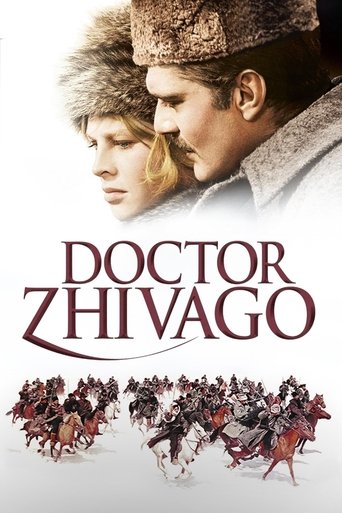
Doctor Zhivago (1965)
Lean's next epic keeps the sweeping landscape and long form, while shifting from a political legend to a love story set during revolution.
Explore the era or movement
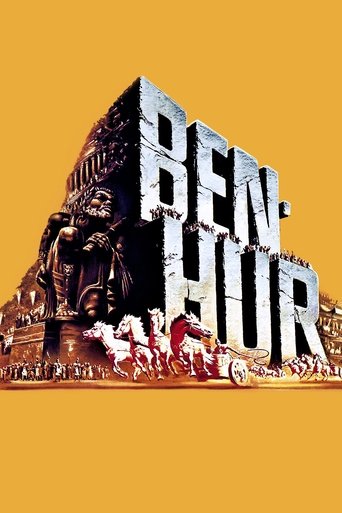
Ben-Hur (1959)
The most successful epic just before Lawrence shows the genre's more conventional pageantry, which makes Lean's psychological approach easier to see.
Compare another approach
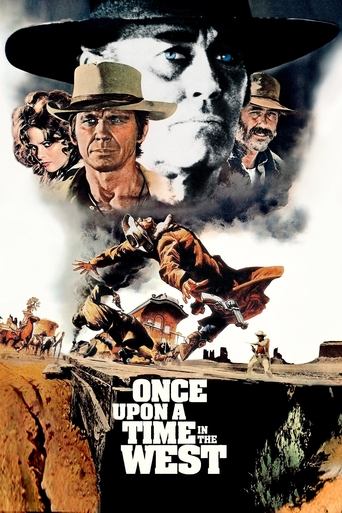
Once Upon a Time in the West (1968)
Another film that treats landscape and duration as storytelling tools, with a very different, mythic, Western version of the epic.
Follow the idea
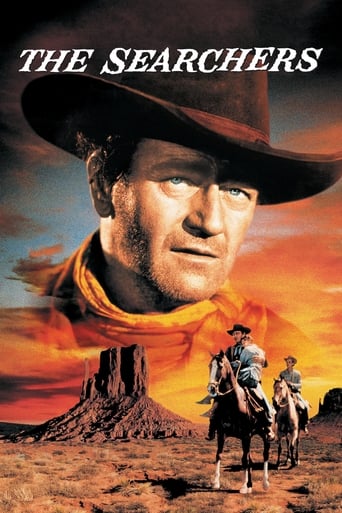
The Searchers (1956)
A heroic, obsessive protagonist and a vast landscape also appear here, with a similarly uneasy view of what the hero represents.
Jump forward
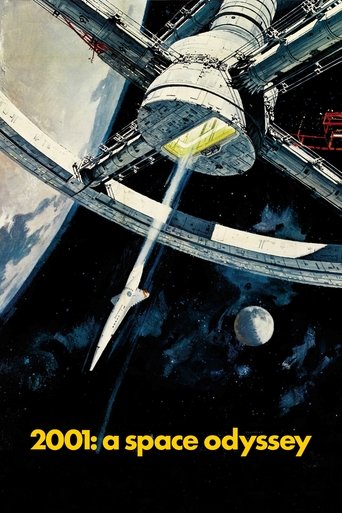
2001: A Space Odyssey (1968)
Another large-format spectacle that uses empty space, silence and patience, taking Lean's visual ambition into science fiction.