

Drama · Western
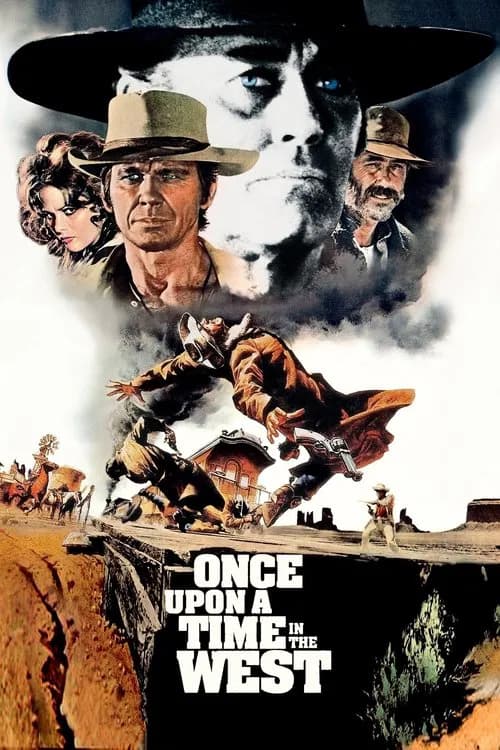
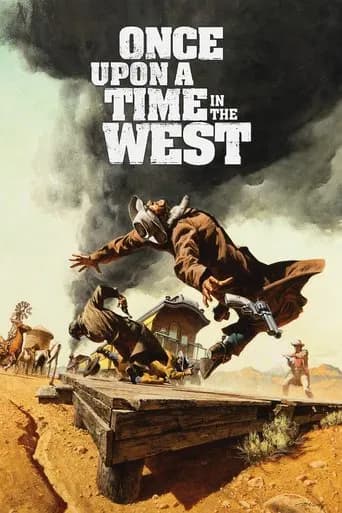
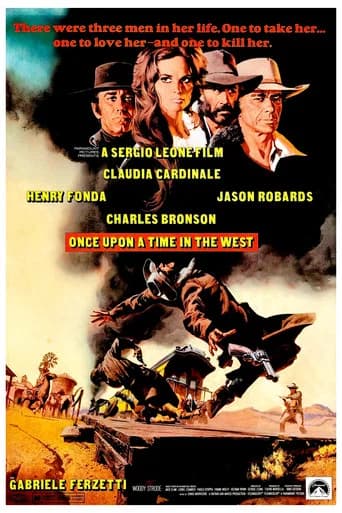
Once Upon a Time in the West
Avg rating 8.7 / My rating TBC
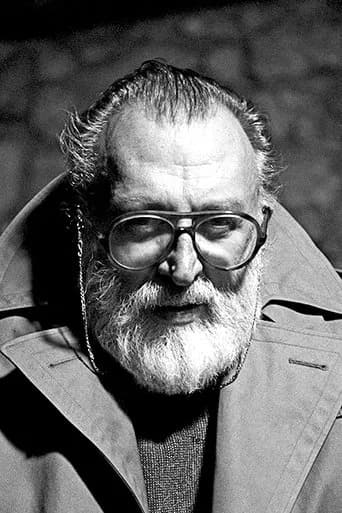
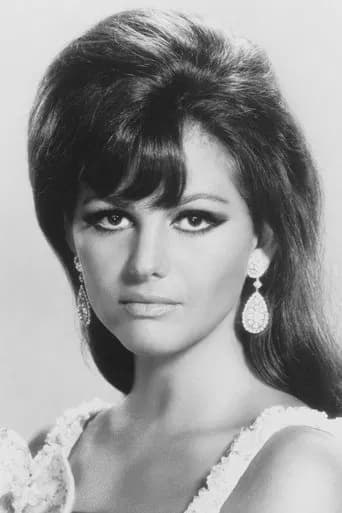
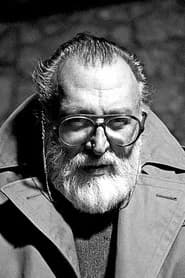
1968 · Directed by Sergio Leone · With Claudia Cardinale, Henry Fonda, Jason Robards
- Spaghetti Western
- Historical Epic
- Auteur Cinema
A railroad is pushing across the Arizona desert, and a patch of dry land with the only water for miles has become worth killing for. A widow from the East, a hired gunman, a bandit and a mysterious stranger with a harmonica converge on it. Slow, operatic and deliberately mythic in tone.
Film info
- Runtime
- 2h 46m · 166 min
- Format
- Colour, widescreen at roughly 2.35:1. Best seen on a large screen if possible.
- IMDb
- 8.5 / 10 (383,734 votes)
- Rotten Tomatoes
- 96% (critics)
- Metacritic
- 82 / 100
- TMDB
- 8.3 / 10 (audience, 5,071 votes)
- Trailer
- ▶ Watch the trailer
Before watching
Spoiler-free · about 2 minutes
Why watch this?
Sergio Leone's grandest Western and the summit of the Spaghetti Western
Made after the Dollars films, it is the film in which Leone, with a Hollywood budget and Monument Valley, turned a low-cost European genre into a full-scale epic about the end of the Old West.
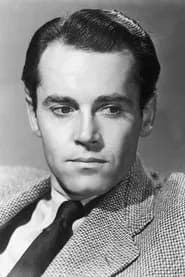
Henry Fonda as a cold-blooded killer
One of American cinema's great heroic faces plays a villain, and the casting charges every scene with the audience's memories of Fonda's earlier roles.
Cinema as music and time
Ennio Morricone's themes, composed before shooting, and Leone's long, patient silences show how sound and duration can carry a film as much as plot does.
Why it matters in cinema history
A defining film of the Spaghetti Western and a late, self-aware summation of the whole genre, made by a European director as both tribute to and requiem for the American Western.
Watch with intention
Your lens
Watch it as a ritual rather than a plot machine: every glance, silence and sound is staged like a note in a score.
Three things to notice
- How long Leone holds a shot and lets ambient sound, such as wind, creaking wood or dripping water, fill the silence before anything happens.
- The extreme close-ups of eyes and weathered faces set against huge, empty landscapes, and how the two scales alternate.
- How each major character is tied to a musical theme, and how the music seems to enter the scene as if it belonged to the person.
One question to carry with you
Whose story is this really: the gunmen's, the widow's, or the railroad's?
- Genre moment
- By 1968 the classic Hollywood Western was fading, while Italian Westerns, cheap and violent and often dubbed, had become an international craze led by Leone's Dollars trilogy.
- Industry
- An Italian-American co-production backed by Paramount, it gave Leone his largest budget and a cast of American stars, including Henry Fonda, and let him shoot partly in Monument Valley.
- Technology
- Shot in widescreen Techniscope, a economical process, by Tonino Delli Colli, allowing faces in extreme close-up to share the frame with vast landscapes.
- Director's moment
- Leone wanted to move beyond the anti-hero cynicism of his earlier films and make a Western about the myth of the West and its passing, co-writing the story with Dario Argento and Bernardo Bertolucci.
Where it came from
Film
The Good, the Bad and the Ugly (1966)On Cinespective
Leone's previous Western refined his close-ups, music-led duels and widescreen landscapes, which this film then takes into a more mythic mode.
Film
Stagecoach (1939)On Cinespective
John Ford's Monument Valley Western set the visual vocabulary of the mythic West that Leone both reveres and reworks.
Film
The Searchers (1956)On Cinespective
Ford's story of an obsessive avenger, framed by landscape and doorways, helped shape Leone's treatment of revenge and the frontier.
Film
High Noon (1952)
Its tense, drawn-out use of waiting and clock time is echoed in Leone's stretched suspense.
This film
Once Upon a Time in the West (1968)
New at the timeA Western built like an opera, in which music, silence and ritual duels matter more than plot, and in which the genre's own conventions are the real subject.
- Italy and Hollywood
- Italy's postwar economic boom had built a mass cinema audience and a busy film industry. Paramount, an American studio, financed this film, which combined Italian production with US stars and Monument Valley locations.
- A turbulent year
- 1968 brought the Vietnam War, student protests and political assassinations in the US, and radical unrest across Europe. Audiences were increasingly doubtful about heroic national myths, and the film's view of the West is correspondingly sceptical.
- Progress and violence
- The film is broadly about the coming of the railroad and the pressure that money and expansion put on individuals. This reflects a late-1960s, left-leaning European view of the American frontier as a story of capital as well as heroism.
- The filmmaker's situation
- Leone had made the hugely successful Dollars films, which were often dismissed by critics. He was now given a larger budget and American backing. He worked with the young Bernardo Bertolucci and Dario Argento on the story.
- Pace
- Very slow and deliberate by modern standards. Scenes are stretched into long, tense rituals; the payoff is atmosphere and anticipation rather than speed.
- Style
- Operatic and stylised, with extreme close-ups, wide landscapes and a heightened, mythic tone rather than realism.
- Sound
- Morricone's score is central; dialogue is sparse and much of it is post-dubbed, as in many Italian productions of the period.
- Format
- Colour, widescreen at roughly 2.35:1. Best seen on a large screen if possible.
- Versions
- The original runs about 166 minutes. A shorter cut of roughly 145 minutes was released in the US, so seek out the full version.
13+
Suggested age
Teens
Ratings range from all audiences (France) to 12 (UK), PG-13 (US) and 16 (Germany); 13 suits the violence, menace and very slow, long running time.
Official ratings
- USPG-13
- UK12
- Germany16
- FranceTP
Good for
Teens who enjoy epic Westerns, striking widescreen landscapes, Ennio Morricone's famous score and tense standoffs. It rewards patient viewers and makes a good first step into classic cinema.
May unsettle
- Violence: Gunfights and killings, some shocking and sudden. Little blood by modern standards, but the tone is cold and serious.
- Menace: Long, silent build-ups to confrontations, with ruthless villains and threatening behaviour that can feel tense for younger viewers.
- Mature themes: Includes coercion and unwanted physical advances towards a woman, plus revenge and greed as driving forces.
- Pace: At nearly three hours, with sparse dialogue and very slow stretches, it can test the patience of children used to faster films.
Explain first
- It is a Western from Italy, so the style is stylised and operatic: long silences, close-ups and music matter more than talking.
- The story is set as railways spread across the American frontier, and land and water were valuable and fought over.
- Characters are often archetypes rather than realistic people, and the film plays with the genre's heroes and villains.
Talk about it after
>How did the music, silences and close-ups of faces affect how tense you felt, compared with a film that relies on fast action?
Cinespective's own guidance, a draft: check it against the official ratings and your own judgement. Second opinions: Common Sense Media, IMDb (see its Parents Guide). Ratings from TMDB.