
Science Fiction · Mystery · Adventure
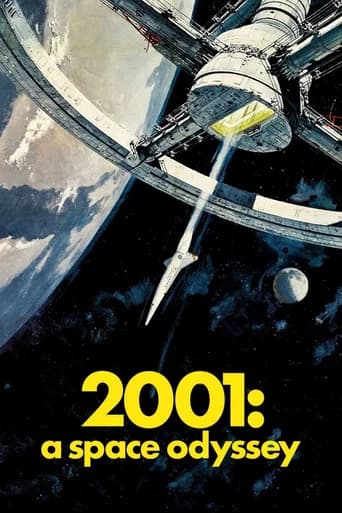
2001: A Space Odyssey
Avg rating 8.4 / My rating TBC
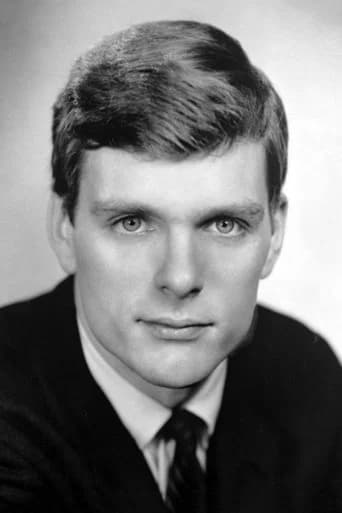
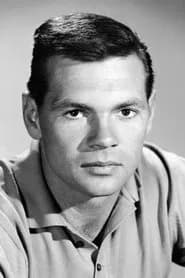
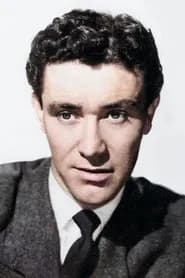
1968 · Directed by Stanley Kubrick · With Keir Dullea, Gary Lockwood, William Sylvester
- Science Fiction
- Art Cinema
- Auteur Cinema
A mysterious object is discovered, and a journey begins across vast distances toward its origin. Stanley Kubrick and Arthur C. Clarke build a slow, wordless, visually overwhelming science fiction film that asks to be experienced as much as followed.
Film info
- Runtime
- 2h 29m · 149 min
- Format
- Colour, shot in 70mm widescreen (about 2.2:1). Best seen on the biggest screen available; effects still hold up.
- IMDb
- 8.3 / 10 (772,787 votes)
- Rotten Tomatoes
- 90% (critics)
- Metacritic
- 84 / 100
- TMDB
- 8.0 / 10 (audience, 12,995 votes)
- Trailer
- ▶ Watch the trailer

Before watching
Spoiler-free · about 2 minutes
Why watch this?
The film that made science fiction a serious art form
Before 2001, big-screen science fiction was mostly B-movie adventure. Kubrick's film, made with Arthur C. Clarke, treated the genre as philosophy and spectacle at once, and changed what studios and filmmakers thought it could be.
A visual and sonic experience, not just a story
Little dialogue, long silences, classical music and meticulous effects work make the film closer to a visual symphony. Seeing it on the largest screen possible is part of the point.
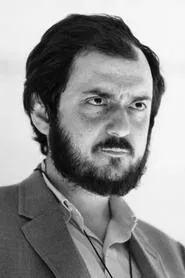
Kubrick at the height of his control
Following Dr. Strangelove, this is Kubrick's most ambitious film: realistic space design, a calm and detached style, and a refusal to explain itself. It rewards patience and repeat viewing.
Why it matters in cinema history
The defining science fiction film of the 1960s and a cornerstone of the genre's move from pulp entertainment to ambitious art cinema, as well as a high point of large-format 70mm filmmaking.
Watch with intention
Your lens
Watch it as a film about looking: let images, sound and silence carry meaning, and do not wait for dialogue to explain things.
Three things to notice
- How little people speak, and how banal and polite the dialogue is when it comes, compared with the grandeur of the images and music around it.
- The pacing of the space sequences: long, unhurried shots, steady camera, and the use of classical music instead of a conventional film score.
- The design details: the realistic interiors, controls, screens and costumes, and how clean and cold the environments feel compared with the people in them.
One question to carry with you
When a film refuses to explain itself, what do you do with the gaps: wait for answers, or let the images ask the questions?
- Space race
- Released a year before the first Moon landing, in the middle of the Cold War rivalry between the US and USSR. Space travel felt imminent, and the film tries to look plausible rather than fantastical.
- Genre norms
- Hollywood science fiction was dominated by low-budget monster films and serials, with a few exceptions like Forbidden Planet. Rocket ships, aliens and ray guns were usually adventure props, not subjects for contemplation.
- Technology
- Shot in Super Panavision 70 and shown in large-format theatres, with pioneering front-projection, miniature and slit-scan work. Special effects were created in camera, years before digital compositing.
- Director's moment
- Kubrick had just made Dr. Strangelove and had the freedom, and MGM's backing, to spend years on research, design and effects, working with Clarke on both script and a companion novel.
Where it came from
Film
A Trip to the Moon (1902)
Georges Méliès created the first great cinematic space voyage, establishing the idea that film could show the impossible and invent visual spectacle.
Film
Metropolis (1927)On Cinespective
Fritz Lang's film showed a designed, technological future on screen and raised questions about humanity and machines on a monumental scale.
Film
Forbidden Planet (1956)
A rare earlier science fiction film with major studio resources, advanced effects and a serious look at technology and the human mind.
This film
2001: A Space Odyssey (1968)
New at the timeA science fiction epic that put visual storytelling, scientific realism and deliberate ambiguity ahead of dialogue, plot explanation and conventional thrills.
- The space race
- Production ran from 1965 to 1968, while the US and USSR competed to reach the Moon. Public fascination with space travel was high, and NASA-linked experts and aerospace firms advised on the film's designs. Apollo 11 landed the year after release.
- Cold War anxiety
- The Cuban Missile Crisis was recent, and nuclear annihilation was a real fear. Kubrick had just made Dr. Strangelove (1964). That shaped the film's wary view of technology and of humanity's capacity for self-destruction.
- Audience and counterculture
- Released in 1968, a year of upheaval including Vietnam War protests, assassinations and student revolt. Younger audiences, open to the experimental and the mind-expanding, embraced a film that gave few explanations, and it found them in large numbers.
- The filmmaker's situation
- Kubrick, an American working in England, had unusual independence. MGM financed a very costly, slow production, and the film's reception was initially divided before it became a major box-office success.
- Pace
- Deliberately slow and meditative, with extended wordless passages. The film is closer to a visual experience than a plot-driven thriller.
- Style
- Cool, formal and symmetrical. Emotional performances are minimal; the camera observes rather than pushes you toward a reaction.
- Sound
- Existing classical recordings stand in for a traditional score, and silence is used as a tool. Dialogue is sparse.
- Format
- Colour, shot in 70mm widescreen (about 2.2:1). Best seen on the biggest screen available; effects still hold up.
- Meaning
- Intentionally ambiguous. Expect open questions, not a neat explanation, and an intermission-style break in many presentations.
10+
Suggested age
Older children
Ratings range from US G to BBFC and FSK 12; the content is mild, but the slow pace and abstract ideas suit about 10 and up with a parent.
Official ratings
- USG
- UK12 / U
- Germany12
- FranceTP
Good for
Curious older children who enjoy space, big ideas and visual spectacle. Its model-work effects, classical music and open-ended mystery give plenty to puzzle over together.
May unsettle
- Slow pace: Long stretches with music instead of dialogue and very little conventional action. Younger children may grow restless.
- Quiet tension: A calm, creeping sense of threat builds in the middle of the film, with some moments of peril in space.
- Eerie imagery: One long abstract sequence of flashing colours and strange visuals can feel bewildering or unnerving.
- Mature themes: Questions about technology, life, death and humanity's place in the universe, deliberately left unexplained.
Explain first
- It is a 1968 film with very little dialogue and a slow, deliberate rhythm. That is the style, not a fault with your screen.
- You are not meant to understand everything. Many moments are open to interpretation, so it is fine to wonder about them.
- The effects were made without computers, using models and clever camera work. Looking out for how they did it can be fun.
Talk about it after
What do you think the mysterious black monolith stands for, and why might the film choose not to explain it?
Cinespective's own guidance, a draft: check it against the official ratings and your own judgement. Second opinions: Common Sense Media, IMDb (see its Parents Guide). Ratings from TMDB.