

History · Drama · Adventure
Ben-Hur
Avg rating 8.4 / My rating TBC
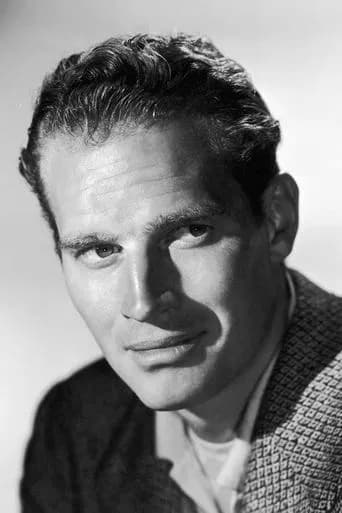
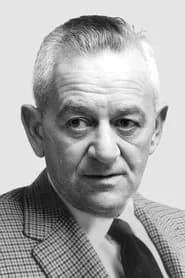
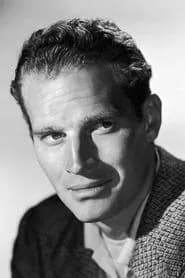
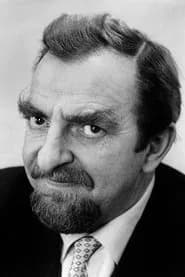
1959 · Directed by William Wyler · With Charlton Heston, Stephen Boyd, Hugh Griffith
- Biblical Epic
- Historical Epic
- Classical Hollywood
In Roman-occupied Judea, a wealthy Jewish prince and a Roman officer, boyhood friends, meet again as men serving opposite sides of an empire. What follows is a long, spectacle-filled story of loyalty, ambition and revenge, told on the widest screen Hollywood could build.
Film info
- Runtime
- 3h 32m · 212 min
- Format
- Roadshow epic with an overture and an intermission. Plan to watch it in two sittings if needed.
- IMDb
- 8.1 / 10 (269,891 votes)
- Rotten Tomatoes
- 87% (critics)
- Metacritic
- 90 / 100
- TMDB
- 7.9 / 10 (audience, 3,281 votes)
- Trailer
- ▶ Watch the trailer

Before watching
Spoiler-free · about 2 minutes
Short on time? Spoiler-free
A 4-minute summary
Why watch this?
The summit of the Hollywood biblical epic
Ben-Hur won eleven Academy Awards, a record at the time, and is the most lavish expression of the studio epic's last great era. It set the standard that later spectacles chased.
One of cinema's great action sequences
The chariot race, built around real horses, a huge purpose-built arena and precise editing, is still the benchmark for staged spectacle. It rewards watching as craft, not only as excitement.
A serious director at epic scale
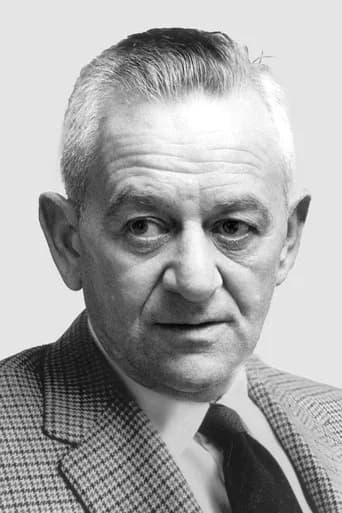
William Wyler, known for intimate, carefully staged drama, brings the same patience with actors to a vast canvas. The result is a personal rivalry story held inside an enormous frame.
Why it matters in cinema history
A defining film of the late-1950s biblical epic and of the widescreen roadshow era, when Hollywood answered television with scale, length and big-event release.
Watch with intention
Your lens
Watch it as a personal quarrel told through public spectacle, where every grand set piece is also a step in one relationship.
Three things to notice
- How Wyler holds faces and two-person scenes in the wide frame, letting the actors carry the drama before the spectacle arrives.
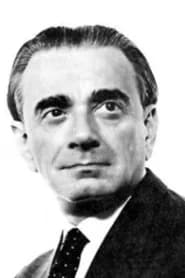
- How Miklós Rózsa's score uses distinct musical themes for Rome, for Judea and for personal feeling, and how they return.
- How the long action sequences are built from clear geography and repeated camera positions, so you always know who is where.
One question to carry with you
When a film gives you a rivalry and an empire at once, which one is it really about?
- Technology
- Shot in MGM Camera 65, a 65mm process giving an extremely wide image. Cinemas showed it on huge screens with stereo sound, something television could not imitate.
- Industry
- MGM, financially weakened, staked its fortunes on a very expensive production made largely in Rome's Cinecittà studios, part of Hollywood's wider move to shoot abroad.
- Dominant styles
- Epics such as Quo Vadis, The Robe and The Ten Commandments had made religious and Roman stories a box-office staple, usually with pageantry placed ahead of character.
- Director's moment
- Wyler was a veteran of prestige drama who had assisted on the 1925 silent version. He was an unexpected choice for a spectacle, which shaped its emphasis on character.
Where it came from
Film
Ben-Hur: A Tale of the Christ (1925)
MGM's silent version of the same story, a lavish production of its time, which this film remakes on a far larger scale.
Film
Quo Vadis (1951)
Its success revived the Roman epic in Hollywood and showed that religious spectacle set in the Roman empire could fill cinemas.
Tradition
Lew Wallace's novel Ben-Hur: A Tale of the Christ
The hugely popular 19th-century novel set in Roman Judea that supplied the story, and which was staged as a theatre spectacle before it reached cinema.
This film
Ben-Hur (1959)
New at the timeIt combined the scale of a roadshow spectacle with the psychological focus of a personal drama, and staged action at a size and realism that few films had attempted.
- Country and moment
- Late-1950s America was prosperous, anxious about the Cold War and strongly religious. "Under God" entered the Pledge in 1954, and stories of faith set against a tyrannical empire had a ready audience.
- Economy
- MGM was financially shaky and gambled heavily on the film. Shooting in Rome in 1958–59 took advantage of Italy's lower labour costs and its postwar boom, and employed thousands of local extras and crew.
- Politics and censorship
- Hollywood was still marked by the anti-communist blacklist of the late 1940s and 1950s. The Production Code was loosening, but studios still favoured moral, family-friendly, patriotic material for mass audiences.
- The filmmaker's situation
- Wyler was born in Alsace to a Jewish family and emigrated to the US. He had worked on the 1925 silent version as an assistant, and in 1947 he joined Hollywood figures protesting the congressional investigations of the film industry.
- Pace
- Deliberate and long. The first act is mostly conversation and politics before the big set pieces, and the story spans years.
- Format
- Roadshow epic with an overture and an intermission. Plan to watch it in two sittings if needed.
- Style
- Grand, theatrical performances and formal dialogue, in the manner of the era's epics.
- Colour / aspect ratio
- Rich Technicolor-era colour in an extremely wide 2.76:1 frame. A large screen helps.
- Language
- English throughout, with a mix of accents standing in for the ancient world.
10+
Suggested age
Older children
Ratings range from US G and French all-ages to GB PG and German 16; 10 reflects the intense action, grim themes and very long running time.
Official ratings
- USG
- UKPG
- Germany16
- FranceTP
Good for
Older children and families who enjoy grand historical epics, with huge sets, large crowds, ships and a famous chariot race, plus a story of friendship, loyalty and rivalry.
May unsettle
- Violence: Large-scale action, including a sea battle and a dangerous chariot race, with injuries and some harsh treatment. Mostly bloodless by modern standards but still intense.
- Peril: Characters face prolonged danger and hardship, and some sequences are tense and distressing for younger viewers.
- Mature themes: Betrayal, injustice, slavery and the harshness of foreign occupation are central, along with themes of grief and revenge.
- Pace: At over three and a half hours with an intermission, the stately, dialogue-heavy stretches may test young attention spans.
Explain first
- The story is set about 2,000 years ago, when the Roman Empire ruled Judea and many local people resented being under its control.
- It is very long and has an intermission, so you may want to watch it over two sittings.
- Some of the acting and dialogue are in a formal, theatrical style typical of 1950s Hollywood epics.
Talk about it after
Have you ever had a friendship tested because you and a friend cared about different things? What makes it hard to stay close in that situation?"][0
Cinespective's own guidance, a draft: check it against the official ratings and your own judgement. Second opinions: Common Sense Media, IMDb (see its Parents Guide). Ratings from TMDB.