

Drama · Romance · War
Doctor Zhivago
Avg rating 7.7 / My rating TBC
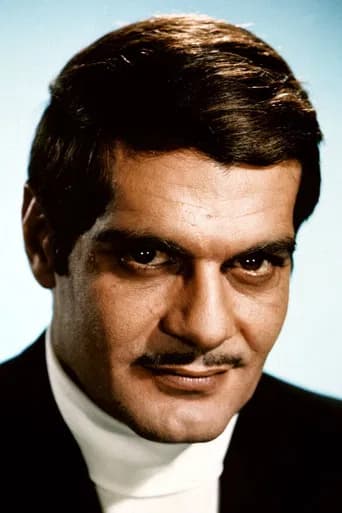
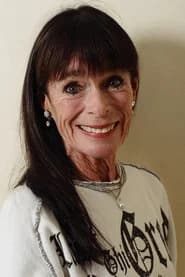
1965 · Directed by David Lean · With Omar Sharif, Julie Christie, Geraldine Chaplin
- Historical Epic
- Melodrama
- Classical Hollywood
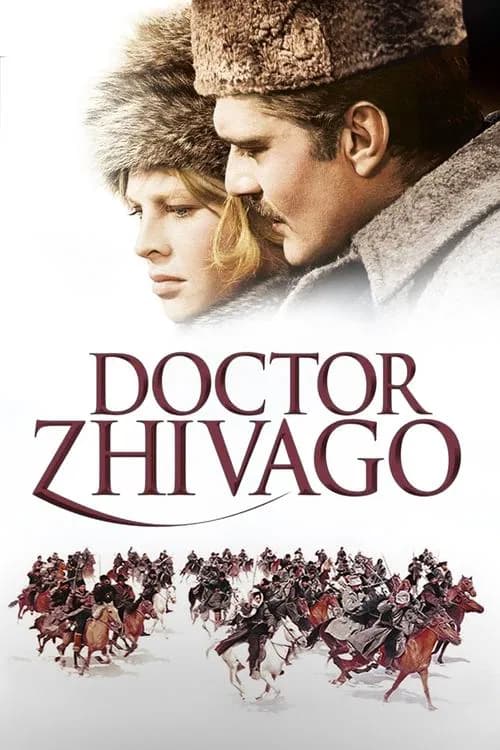
A Moscow doctor who writes poetry is pulled through war, revolution and civil war across Russia. Along the way his life crosses repeatedly with a young woman he cannot forget. David Lean's wide-screen romance sets private longing against the upheaval of a nation.
Film info
- Runtime
- 3h 20m · 200 min
- Format
- Colour, widescreen at roughly 2.20:1. It plays best on the largest screen available.
- IMDb
- 7.9 / 10 (86,506 votes)
- Rotten Tomatoes
- 82% (critics)
- Metacritic
- 69 / 100
- TMDB
- 7.6 / 10 (audience, 1,323 votes)
- Trailer
- ▶ Watch the trailer
Before watching
Spoiler-free · about 2 minutes
Short on time? Spoiler-free
A 4-minute summary
Why watch this?
David Lean's grand-scale follow-up to Lawrence of Arabia
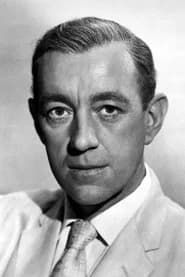
Lean reunited much of his Lawrence team: cinematographer Freddie Young, designer John Box, composer Maurice Jarre, Omar Sharif and Alec Guinness. It is the clearest example of the 1960s roadshow epic turned toward romance.
History seen through one private love story
Instead of generals and battles, the film follows a poet-doctor and a woman at the margins of events. It shows how an epic can make the personal feel as large as the political.
A film built to be seen large
Shot in 70mm with huge sets, frozen landscapes and a famous score, it rewards attention to image and music. Its ten Oscar nominations and five wins underline how fully the craft was recognised.
Why it matters in cinema history
A defining late-period roadshow epic, and one of the last great Hollywood-financed spectacles made on a classical, hand-built scale, before location realism and smaller New Hollywood films shifted tastes.
Watch with intention
Your lens
Watch how Lean uses vast landscapes, weather and crowds to make a private feeling seem as large as history.
Three things to notice
- How often the frame places small figures against enormous spaces, such as snow, trains, streets and rooms, and how a close-up then breaks that distance.
- Recurring objects and sounds, especially the balalaika-coloured score, which attach themselves to particular people and memories.
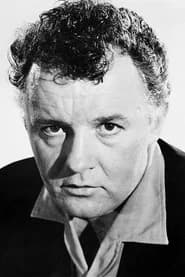
- The contrast between Omar Sharif's quiet, watchful performance and the louder, more physical performances around him, such as Rod Steiger's.
One question to carry with you
Can one person's inner life stay untouched by the events of his time, or does history decide what he is allowed to feel and keep?
- Industry
- MGM released it as a long, big-budget roadshow attraction, with an intermission, in the wake of Lawrence of Arabia and Ben-Hur. Studios were betting heavily on spectacle to hold audiences against television.
- Technology
- It was photographed in a large-format 65mm process and shown in 70mm, giving a very wide, detailed frame suited to landscapes, crowds and interiors alike.
- Source
- Boris Pasternak's novel was published abroad in 1957 and banned in the Soviet Union. The film adapted a book that was famous partly because of that suppression.
- Director's moment
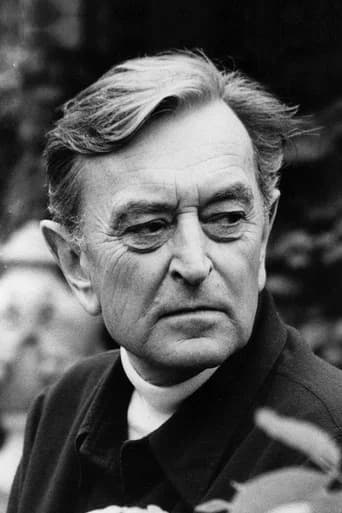
- Lean had moved from intimate British dramas to epics with The Bridge on the River Kwai and Lawrence of Arabia. Here he applied that scale to a love story.
Where it came from
Film
Lawrence of Arabia (1962)On Cinespective
Lean's immediate epic, with the same cinematographer, designer, composer and several of the same actors. It established the visual and musical approach reused here.
Film
Gone with the Wind (1939)On Cinespective
The great earlier model of a romance played out against civil war, loss and a changing society on a vast Technicolor scale.
Tradition
Roadshow epic
Long, high-budget studio spectacles with overtures and intermissions, which Hollywood used in the 1950s and 60s to fight television.
This film
Doctor Zhivago (1965)
New at the timeIt brought the roadshow epic's scale to an intimate romance, building a whole revolutionary Russia in Spain because the novel's own country was off limits.
- Cold War backdrop
- Boris Pasternak's novel was banned in the Soviet Union. It was first published in Italy in 1957 and won the Nobel Prize in 1958. Pasternak was pressured to refuse the prize. The film arrived in a tense East–West climate.
- Filming without Russia
- The Soviet Union was not open to a Western production like this. Moscow and the Russian landscape were rebuilt mainly in Spain, with snow scenes shot in Finland and Canada. Russia was shown as the West imagined it.
- Money and producers
- Carlo Ponti produced it for MGM, a big-budget international venture. Robert Bolt wrote the screenplay. A British director, Italian producer and American studio reflect the era's transatlantic co-productions.
- Audience and reception
- Audiences in the West knew the Revolution mainly through Cold War attitudes. Critics were often cool, but the public response was very large. The film was still unavailable to Soviet viewers for decades.
- Pace
- Unhurried and episodic over about three hours twenty minutes, with an intermission built in. It moves across years and places rather than building one tight plot.
- Style
- Classical, lush studio epic: sweeping wide shots, painterly colour, a prominent orchestral score and a heightened, romantic tone.
- Performance
- British and international actors play Russians in English, without attempts at heavy accents. Lead performances are restrained and soulful, supporting ones more theatrical.
- Format
- Colour, widescreen at roughly 2.20:1. It plays best on the largest screen available.
- Language
- English-language, so no subtitles. Some names and political factions are explained only lightly, so brief background on 1917 helps.
13+
Suggested age
Teens
Ratings range from PG (GB) and U (FR) to PG-13 (US) and 16 (DE); 13 suits the war violence, emotional weight and 200-minute length.
Official ratings
- USPG-13
- UKPG
- Germany16
- FranceU
Good for
Teens interested in history will find sweeping landscapes, a famous Maurice Jarre score, and a big epic about love, art and survival during the Russian Revolution.
May unsettle
- War violence: Battles, shootings and crowd violence appear at several points. They are not especially graphic but can be sudden and harsh.
- Mature themes: Adult romantic and sexual themes are handled discreetly, with nothing explicit shown, but they matter to the story.
- Hardship and loss: Cold, hunger, displacement and bereavement run through much of the film, giving it a bleak and sorrowful tone.
- Pace: At 200 minutes with an intermission, and a dense, slow-building story, it can test the patience of younger viewers.
Explain first
- The film is set around the First World War and the 1917 Russian Revolution, when the old Tsarist order collapsed and a civil war followed.
- Many characters are caught between the opposing sides, Reds and Whites, so it helps to know that neither is presented as simply good.
Talk about it after
How do the characters try to hold on to what matters to them when history and politics keep disrupting their lives?
Cinespective's own guidance, a draft: check it against the official ratings and your own judgement. Second opinions: Common Sense Media, IMDb (see its Parents Guide). Ratings from TMDB.