Drama
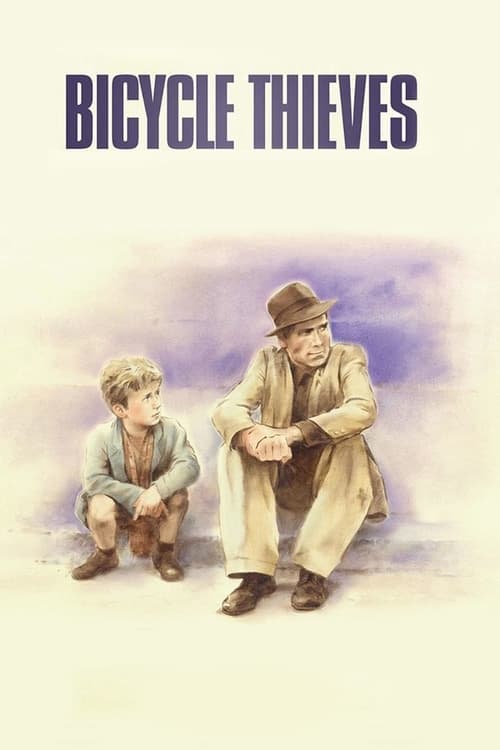
Bicycle Thieves
Italian (Ladri di biciclette)
1948 · Directed by Vittorio De Sica · 89 min


Drama
Italian (Ladri di biciclette)
1948 · Directed by Vittorio De Sica · 89 min



Meaning, unpacked
Central idea
The film can be read as an examination of how fragile dignity is when survival depends on a single possession, and how poverty pushes ordinary people into moral corners with no clean way out.
What it means
A man's bicycle is stolen. He searches Rome with his young son, and in the end he tries to steal one himself, and is shamed in front of the crowd. That is all the story, and it is enough.
Because Bicycle Thieves is about how fragile dignity becomes when survival hangs on a single possession. For Antonio, the bicycle is his job, his self-respect and his family's living. Think of the pawnshop, where wives and mothers hand over bed linen so a bicycle can be redeemed, beside a vast shelf of other people's sheets. The film asks for sympathy, not judgment. Police, unions, the church and neighbours offer little help, yet they are not villains, just people with their own troubles. Bruno, the boy, watches his father with growing understanding, so we see Antonio's shame through his son's eyes. The film never tells you what to feel about him. It trusts you to see how close any of us might stand to that same edge.
Why it mattered
Released in 1948, the film became the international emblem of postwar European realism. It proved that a story about poverty, shot cheaply on real Roman streets with natural light and crowds, could be both art and a worldwide success.
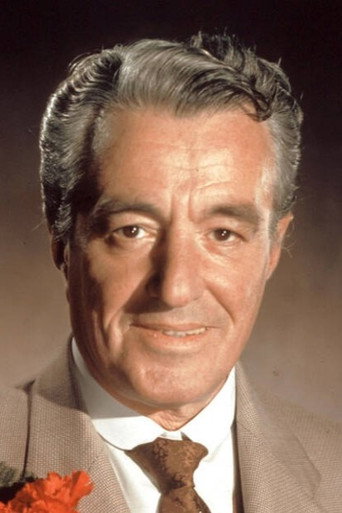
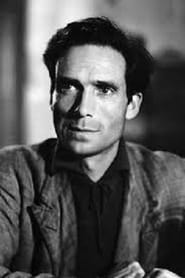
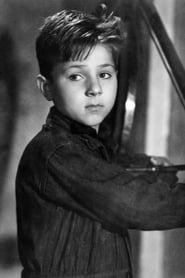
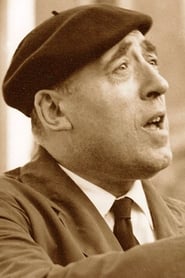
Its way of working was the news. Vittorio De Sica turned down a Hollywood offer that came with Cary Grant attached, and cast Lamberto Maggiorani, a factory worker, for his face and bearing. He chose Enzo Staiola, spotted in a crowd, for his alertness. Cesare Zavattini's script only looks casual: each episode pushes the problem into a new social setting. Remember that it did not start Italian Neorealism, since Rome, Open City and De Sica's own Shoeshine came first. It is the movement's most famous and influential example.
Before anyone tells you what to think: what did you make of it?
Log in to rate it and leave commentsIt takes one click with Google or an email link. You come straight back here.
Rate it, keep your notes, and find the next film.
Free, no ads. Your journal, your lists, a Cine Guide that remembers you.
Create your free spaceIts influence runs wide. It helped establish a model of low-budget, location-based, socially engaged filmmaking that shaped directors in India, France, Iran, Latin America and beyond, from Satyajit Ray to the Dardenne brothers. Critics praised its compassion and honesty in Italy and abroad, though some Italian officials were uneasy about its bleak picture of the nation. Zavattini was nominated for an Academy Award for the screenplay, and the film received a special award as the best foreign-language film released in the United States in 1949.
Today it remains the most commonly taught example of Neorealism and a standard reference for humanist cinema. The stolen bicycle and the father and son searching the city have become shorthand for a poor family one misfortune from ruin. Early praise focused on its social realism; later viewers also note its careful construction and quiet formal control. If you want to go further, try Rome, Open City and Shoeshine.
What happens
Desperate after a day of failed searching, Antonio tries to steal a bicycle himself and is caught by a crowd. The owner, seeing Bruno crying, lets him go. Antonio has become the thing he hunted.
The last image
Bruno takes his father's hand, and the two walk away into the crowd, still without a bicycle or a job.
What it says
Poverty has pushed an honest man into the very act that ruined him, and the film offers sympathy, not judgment. Nothing is solved. The one thing that holds is Bruno's small, forgiving gesture.
Or follow an idea from this film

Continue the director
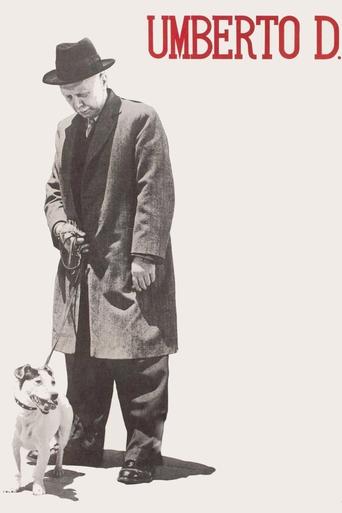
Umberto D. (1952)
De Sica and Zavattini's later study of an elderly pensioner in Rome is even quieter and more austere, and completes a core pair of Neorealist works.
See what influenced it
Rome, Open City (1945)
Rossellini's wartime drama shows the movement's origins and offers a more melodramatic, urgent form of the same realist impulse.

See its influence
The 400 Blows (1959)
Truffaut's story of a neglected boy in Paris shares the street-level view of childhood and a similarly open, unresolved ending.
Explore the era or movement
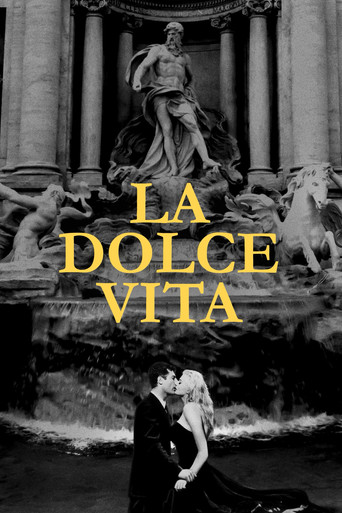
La Dolce Vita (1960)
Italian cinema moves from postwar poverty to affluent Rome. Fellini's film shows how the national cinema changed within little more than a decade.
Follow the idea
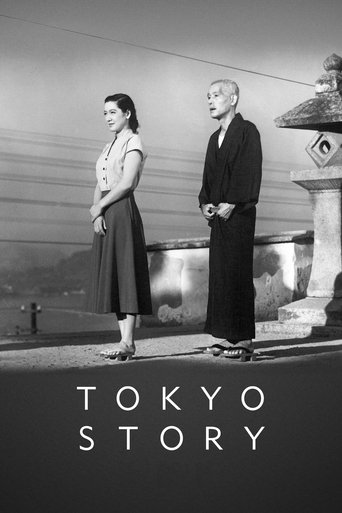
Tokyo Story (1953)
Ozu's family drama likewise finds large emotional truths in quiet, everyday situations, though with a very different, more formal style.