Loading…


Meaning, unpacked
Central idea
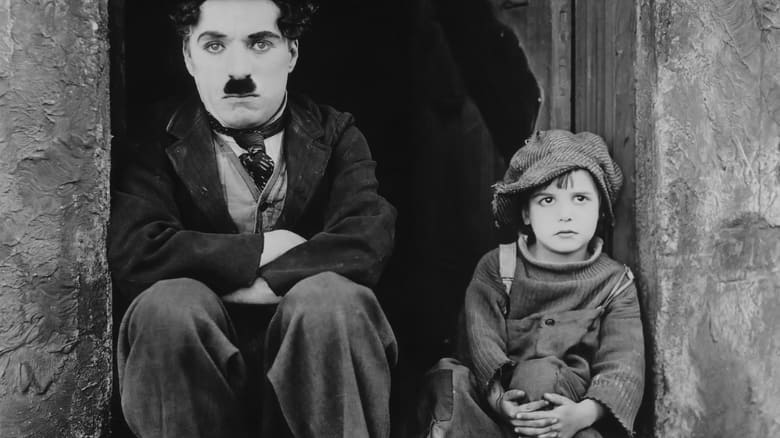
The film asks what makes someone a parent: biology, wealth or daily care. It can be read as Chaplin's argument that love among the poor is real and valuable, even when the law and respectable society fail to recognise it.
What it means
A tramp finds an abandoned baby and raises him in the slums. Years later, officials try to take the boy away. The plot is simple, and it matters less than the argument underneath: love counts for more than legal and social claims. Who has the right to a child, the people who abandon him, or the person who cares for him?
Chaplin makes a poor, marginal man the better parent, and he proves it through daily routines, like the improvised feeding rig on the first night. The film never lets you look down on the pair as they improvise their way through hardship, and the officials and shelters seem cold by comparison. That fear was personal: Chaplin grew up in extreme poverty in London and spent time in workhouses as a boy. The film also holds that laughter and sadness deepen each other, and the ending needs no speech, only faces and a single threshold.
Why it mattered
When it came out in January 1921, it was Chaplin's first feature as director, after dozens of shorts. It was among the earliest and most influential features to join broad slapstick with sincere melodrama in one story, and it showed comedy moving from one-reel gags to full-length storytelling.
Its big idea was that comedy and feeling are not rivals. The rooftop chase is slapstick turned toward real suspense, because something urgent is at stake. Chaplin kept most shots wide and steady so the physical comedy played out in full, and saved close-ups for emotional beats so they landed hard. The film was a major success in America and abroad, and some critics took it as proof that screen comedy could be serious art.
Before anyone tells you what to think: what did you make of it?
Log in to rate it and leave commentsIt takes one click with Google or an email link. You come straight back here.
Rate it, keep your notes, and find the next film.
Free, no ads. Your journal, your lists, a Cine Guide that remembers you.
Create your free spaceFor Chaplin, this was the blueprint. The Gold Rush, City Lights and Modern Times refined its mix of laughter, pathos and social comment. Jackie Coogan became a global celebrity, and his ragged cap and oversized clothes were licensed for children's products, an early case of a child star turned into a brand. His later fight over his earnings led to California's child-actor protection law, the Coogan Act.
Today it remains one of Chaplin's most popular films and a common way into the Tramp and silent cinema. Some modern viewers find the sentiment heavy, as a few critics did in 1921, but the inventive comedy and the partnership of Chaplin and Coogan are widely admired. If you want more, try those three later films, in that order.
What happens
The Tramp, woken from his dream, is taken by a policeman to the mother's mansion. There he finds the boy waiting, and the woman, once the baby's abandoner, welcomes him inside. The child is returned to the man who raised him.
The last image
The Tramp stands at the mansion's open door while the woman welcomes him in.
Two readings
What it says
The film argues that daily care, not birth or wealth, makes someone a parent. By ending on a welcome rather than a verdict, Chaplin lets the poor man's love be accepted by respectable society at last.
Or follow an idea from this film

Continue the director
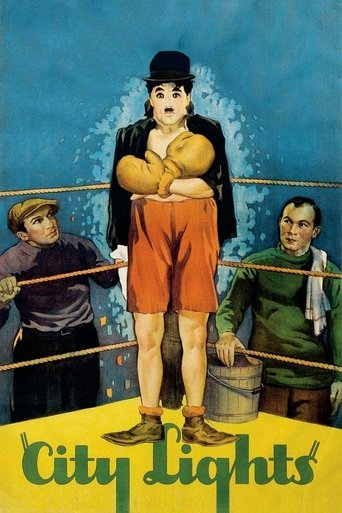
City Lights (1931)
The next step in Chaplin's blend of comedy and heartfelt feeling, with a more mature, tightly constructed story.
Compare another approach
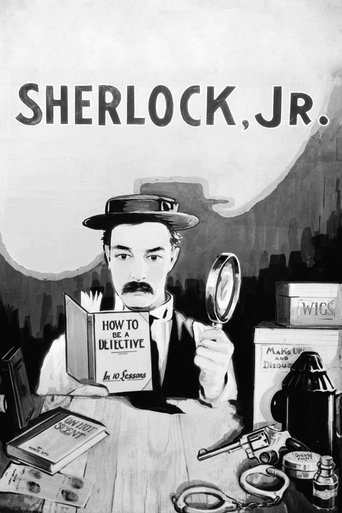
Sherlock Jr. (1924)
Buster Keaton's more deadpan, technical comedy offers a very different answer to what silent comedy can do.
Follow the idea
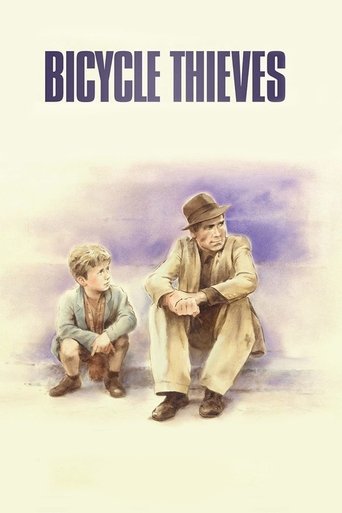
Bicycle Thieves (1948)
Another story of a poor man and his child in a hard city, told with neorealist restraint and no comic relief.

Follow the idea
The 400 Blows (1959)
A tender, unsentimental portrait of a neglected child, a thoughtful counterpoint to the warmth of The Kid.
Continue the director
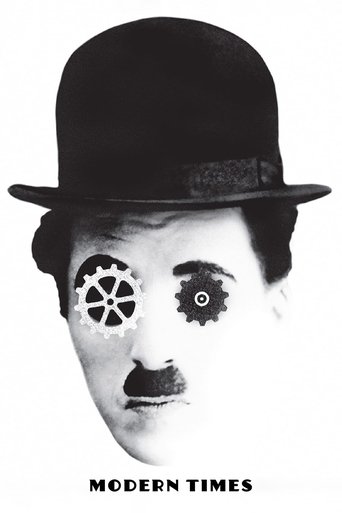
Modern Times (1936)
The Tramp returns with sharper social comment, showing how Chaplin's mix of laughter and hardship evolved.