


Comedy · Drama · Romance
City Lights
Avg rating 9.0 / My rating TBC
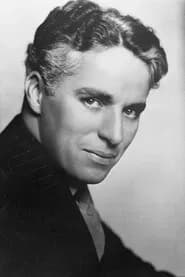
1931 · Directed by Charlie Chaplin · With Charlie Chaplin, Virginia Cherrill, Florence Lee
- Silent Cinema
- Comedy
- Melodrama
- Classical Hollywood
A penniless tramp meets a blind flower seller who mistakes him for a man of means. Around the same time, he befriends a drunken millionaire whose generosity vanishes with sobriety. A silent comedy of pratfalls and tenderness, made after talking pictures had arrived.
Film info
- Runtime
- 1h 27m · 87 min
- Format
- Silent film with a synchronised orchestral score by Chaplin, some sound effects, and intertitles for the few plot points that need words.
- IMDb
- 8.5 / 10 (215,345 votes)
- Rotten Tomatoes
- 95% (critics)
- Metacritic
- 99 / 100
- TMDB
- 8.2 / 10 (audience, 2,556 votes)
- Trailer
- ▶ Watch the trailer

Before watching
Spoiler-free · about 2 minutes
Short on time? Spoiler-free
A 3-minute summary
Why watch this?
Chaplin's Tramp at the summit of his art
Often regarded as the finest of Chaplin's features, it joins slapstick and sentiment more precisely than any other film he made. It is the most complete showcase of the Little Tramp.
A silent film made against the tide
Released in 1931, years after The Jazz Singer, it was a deliberate refusal of dialogue. It carries a synchronised score and sound effects but no spoken words, and it was a major success.
Comedy built like choreography
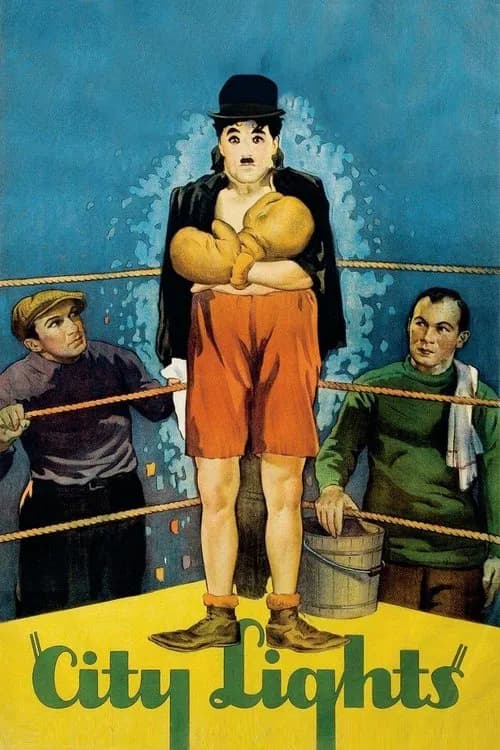
The boxing match and the first flower-girl scene show how rehearsal, timing and repetition can produce both laughter and feeling, which is a core lesson of screen comedy.
Why it matters in cinema history
One of the last great silent features, produced when sound had already taken over Hollywood. It is the defining late statement of silent comedy and of Chaplin's Tramp character.
Watch with intention
Your lens
Watch it as a comedy where every gag is also a statement about how the Tramp wants to be seen.
Three things to notice
- How often a gag is built from a simple repeated action, then varied until the timing itself becomes the joke.
- The score: music does the work of dialogue, and a few sound effects are used knowingly as jokes.
- Chaplin's face and posture in the quiet moments, where the pace slows and comedy gives way to something delicate.
One question to carry with you
How does a film with no spoken words make a character's hope, embarrassment and love completely clear?
- Technology
- By 1931 talking pictures had replaced silents in nearly every major studio. Chaplin used the new ability to record sound only for a composed musical score and a few sound gags.
- Industry
- Chaplin was a co-founder of United Artists and funded and controlled his own productions. That independence let him spend years on a single film and refuse dialogue.
- Audience
- The Depression had made poverty and fragile fortunes everyday subjects. A film about a homeless man and a rich man who treats him according to his mood spoke to its time.
- Director's moment
- Chaplin was already a global star and had made The Kid and The Gold Rush. This was his first feature since The Circus in 1928, and he worked slowly and perfectionistically.
Where it came from
Film
The Kid (1921)On Cinespective
Chaplin's first feature-length blend of slapstick and sentiment, with the Tramp as an unlikely protector.
Tradition
Music hall and pantomime
Chaplin's training in British music hall shaped his physical comedy and his sense of timing.
Film
The Gold Rush (1925)
Chaplin's earlier extended comic romance, with the Tramp pursuing love while enduring hardship.
This film
City Lights (1931)
New at the timeA major filmmaker used recorded music and effects to keep a purely visual comedy alive in the sound era, at a time when silent cinema was widely seen as obsolete.
- Country and moment
- Production ran from 1928 to early 1931, spanning the 1929 Wall Street crash. The film reached audiences as unemployment and poverty were rising across the United States, giving its tramp hero fresh relevance.
- Society and audience
- Breadlines, homelessness and the gap between rich and poor were becoming everyday sights. A comedy about a penniless outsider and the wealthy, sentimental in tone but alert to inequality, spoke to a worried public.
- The filmmaker's situation
- Chaplin was among the world's most famous people and financed his films through his own studio and United Artists. That independence let him take years over the film, and keep it essentially silent with synchronised music and effects, even after talkies had taken over.
- Personal pressures
- Production was slow and costly, with long delays and reshoots. His private life, including a divorce in 1927, drew heavy press attention during these years.
- Format
- Silent film with a synchronised orchestral score by Chaplin, some sound effects, and intertitles for the few plot points that need words.
- Pace
- Brisk, built from self-contained comic set pieces, with slower and quieter sequences between them.
- Tone
- Slapstick and romantic melodrama sit side by side. Comedy is frequent but the emotional register is serious.
- Colour/B&W
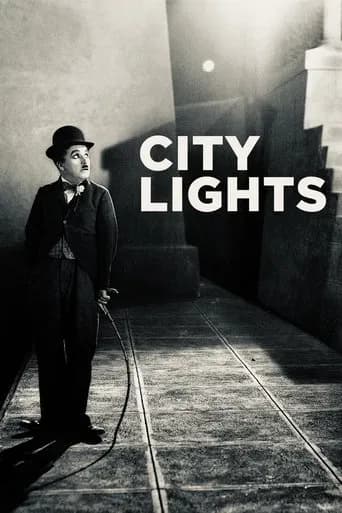
- Black and white, standard Academy-style frame.
- Performance
- Stylised and physical, in a pantomime tradition. Expressions are broad but precisely controlled.
6+
Suggested age
Family
Rated G (US) and U (GB), with FSK 12 in Germany; six suits a silent, black-and-white film that is gentle but long and slow for younger children.
Official ratings
- USG
- UKU
- Germany12
- FranceTP
Good for
Inventive slapstick, a lovable tramp and warm physical comedy that children often enjoy. It also works as a gentle first silent film, with music and visual gags carrying the story.
May unsettle
- Slapstick violence: A comic boxing sequence and some chases and pratfalls involve rough physical knocks, played for laughs rather than realism.
- Drinking: A wealthy character's drunkenness is a recurring comic element, with some car and nightclub scenes.
- Emotional intensity: Beneath the comedy, the story deals with poverty and hardship, and sensitive children may find some moments sad or emotional.
- Pace: It is silent and black-and-white, with title cards to read and a steady, old-fashioned rhythm that may test very young viewers.
Explain first
- It is a silent film: there is music and sound effects but almost no spoken dialogue, and short title cards carry the words.
- Charlie Chaplin plays 'the Tramp', a poor wanderer with good manners. Much of the comedy comes from his body language and timing.
Talk about it after
How does the Tramp show what he feels without speaking, and which moments made you laugh or feel something most?
Cinespective's own guidance, a draft: check it against the official ratings and your own judgement. Second opinions: Common Sense Media, IMDb (see its Parents Guide). Ratings from TMDB.