

Action · Comedy · Mystery
Sherlock Jr.
Avg rating 8.3 / My rating TBC
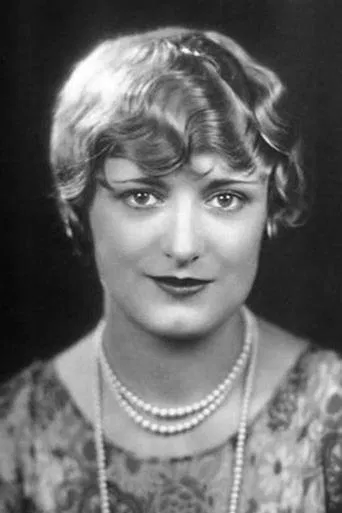
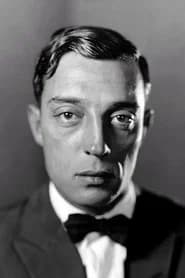
1924 · Directed by Buster Keaton · With Buster Keaton, Kathryn McGuire, Joe Keaton
- Silent Cinema
- Comedy
- Classical Hollywood
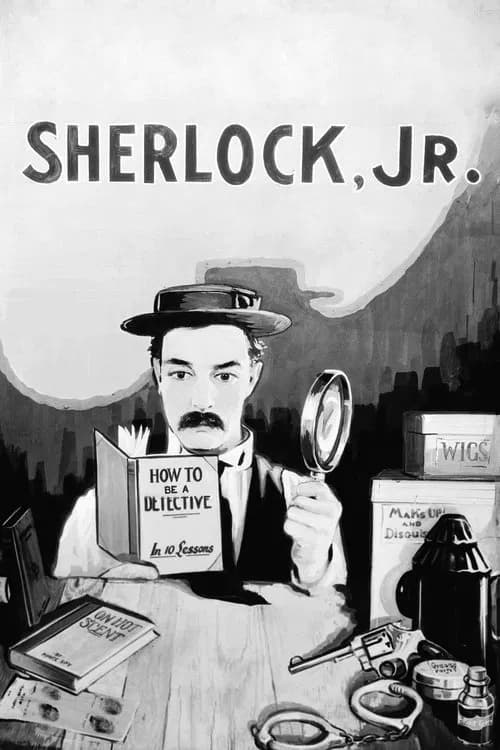
A small-town cinema projectionist is accused of a theft he did not commit, just as he is trying to win the affection of a girl. What follows is a brisk, inventive silent comedy built on stunts, visual gags and Buster Keaton's unreadable stone face.
Film info
- Runtime
- 45 min
- Format
- Silent, with intertitles. Live or recorded music accompaniment varies by version.
- IMDb
- 8.2 / 10 (64,220 votes)
- Rotten Tomatoes
- 87% (critics)
- TMDB
- 8.0 / 10 (audience, 1,215 votes)
- Trailer
- ▶ Watch the trailer
Before watching
Spoiler-free · about 2 minutes
Short on time? Spoiler-free
A 3-minute summary
Why watch this?
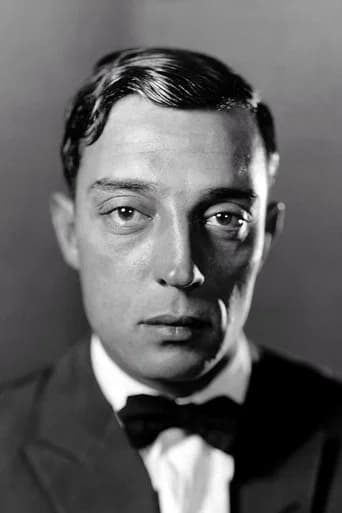
Keaton at the peak of his visual invention
Directed by and starring Buster Keaton, it is one of the most admired silent comedies. In 45 minutes it packs in more formal ingenuity and physical daring than most films manage in twice the time.
A comedy that plays with the medium itself
The film is as interested in how cinema works as in getting laughs. Many of its gags depend on camera position, cutting and trick effects, so it doubles as a lesson in film language.
Stunts that are real
Keaton did his own dangerous physical work, and the camera usually holds the action in one clear shot so the audience can see it is genuine. The precision is as impressive as the laughs.
Why it matters in cinema history
A defining work of the silent feature-comedy tradition, it shows that slapstick could be rigorous, formally adventurous and cinematic, not just a string of pratfalls.
Watch with intention
Your lens
Watch it as a comedy where the camera and the cutting are as inventive as the performer.
Three things to notice
- Keaton's face stays almost still while his body does everything. Note how little he needs to show on his face to make a situation funny.
- Many gags are staged in one continuous, wide shot. Look at how timing and spatial layout create the surprise, with no cut to help.
- Pay attention to the physical comedy of objects and machinery: how things move, fall and fit together, and how precisely each is placed.
One question to carry with you
How does a film with no dialogue and almost no emotional display on its star's face make you care so quickly about him?
- Industry
- By 1924 Keaton ran his own production unit under producer Joseph Schenck, after years of short comedies. He was moving into features, which gave him room for bigger set pieces.
- Dominant styles
- American screen comedy was dominated by slapstick and by thrill comedy such as Harold Lloyd's. Audiences expected chases, stunts and escalating chaos, usually in a short running time.
- Technology
- Silent film relied on in-camera tricks, careful matching of shots and precise editing. Special effects were practical, built on set and on the film strip, not added later.
- Director's moment
- Keaton had just made Our Hospitality and was about to make The Navigator. He was refining a style based on a deadpan persona and geometrically planned gags.
Where it came from
Tradition
American slapstick shorts
Keaton learned in the short-comedy world of chases and gags, and this film applies the same energy and timing to a more elaborate feature.
Filmmaker
Roscoe Arbuckle
Keaton began his film career in Arbuckle's comedies, where he learned screen timing and the mechanics of the gag.
Film
Safety Last! (1923)
Harold Lloyd's thrill comedy, made a year earlier, shows the same appetite for physical risk and escalating spectacle.
This film
Sherlock Jr. (1924)
New at the timeKeaton treated comedy as a problem of filmmaking itself, using the camera, editing and the mechanics of the medium to generate gags, not just recording funny people.
- Country and moment
- The film came out in the Roaring Twenties, a period of economic growth and consumer culture in the USA. Going to the movies had become a regular, affordable pastime in small towns and big cities alike.
- Society and audience
- Audiences were used to detective stories, society melodramas and mail-order self-improvement schemes. The film's modest hero, a working man with big ambitions, would have felt familiar to many ticket buyers.
- The filmmaker's situation
- Keaton ran his own production unit, set up under producer Joseph Schenck, and had a say in both directing and starring. He had come from a childhood in vaudeville. Sherlock Jr. was a commercial disappointment on release and was only later recognised as a classic.
- Economy
- Keaton's films were made with tight budgets and high ambition. He relied on inventive, physically dangerous stunts that he performed himself, since little insurance or safety regulation existed.
- Pace
- Very short and fast. At 45 minutes it moves from setup to set piece with little downtime.
- Format
- Silent, with intertitles. Live or recorded music accompaniment varies by version.
- Colour
- Black and white, in the standard silent-era frame.
- Style
- Deadpan physical comedy and large-scale stunts, with a few striking trick effects. The humour is visual, not verbal.
- Performance
- Understated and athletic. Keaton underplays emotion while performing precise, risky physical action.
6+
Suggested age
Family
Germany's FSK rates it 6 and the US lists no rating; with no content concerns, 6 fits, though the silent format may suit slightly older children best.
Official ratings
- USNR
- Germany6
Good for
Inventive visual gags and daring stunts that need no dialogue. Children who enjoy slapstick, chases and clever tricks will find plenty to laugh at, and it's short.
May unsettle
- Slapstick peril: Dangerous-looking stunts, falls and chases played for laughs. They are mostly light, but a few moments may look alarming to very young viewers.
- Pace: It is silent and black-and-white, with text cards instead of speech. Children used to modern films may need a little time to settle in.
Explain first
- It is a silent film: the story is told through pictures and short text cards, so younger children may need you to read the cards aloud.
- Many stunts were performed for real by the star, without special effects, which is part of why they still impress.
Talk about it after
Which gag or stunt made you laugh most, and how do you think they filmed it a hundred years ago?
Cinespective's own guidance, a draft: check it against the official ratings and your own judgement. Second opinions: Common Sense Media, IMDb (see its Parents Guide). Ratings from TMDB.