

Comedy · Drama
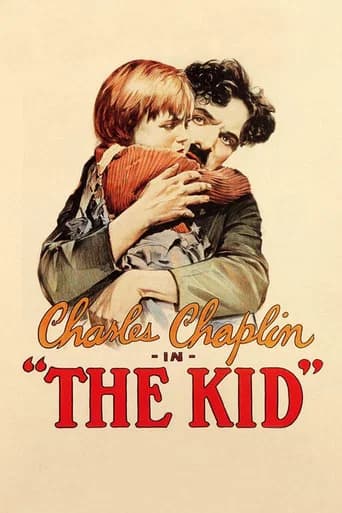
The Kid
Avg rating 8.8 / My rating TBC
1921 · Directed by Charlie Chaplin · With Charlie Chaplin, Jackie Coogan, Carl Miller
- Silent Cinema
- Comedy
- Melodrama
- Classical Hollywood
A poor city glazier, Chaplin's Tramp, ends up responsible for a small child nobody else seems to want. Slapstick, street-level poverty and open tenderness share the screen in the first feature Chaplin directed, a comedy that sets out to move as well as amuse.
Film info
- Runtime
- 1h 08m · 68 min
- Format
- Silent, black and white, in the squarer silent-era frame. Tinting and restoration quality vary between releases.
- IMDb
- 8.2 / 10 (144,275 votes)
- Rotten Tomatoes
- 100% (critics)
- TMDB
- 8.1 / 10 (audience, 2,455 votes)
- Trailer
- ▶ Watch the trailer
Before watching
Spoiler-free · about 2 minutes
Short on time? Spoiler-free
A 3-minute summary
Why watch this?
One of cinema's great double acts, with a child
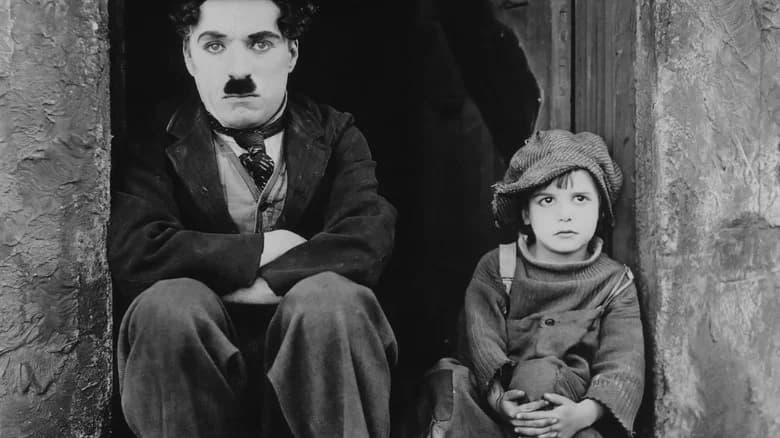
Jackie Coogan was very young, yet his timing and expressiveness match Chaplin's. Much of the pleasure lies in how naturally the two read each other, often with just a look.
Silent cinema's clearest lesson in emotion without words
Gesture, timing and faces carry whole exchanges, set among cramped alleys and tenements. Chaplin makes poverty funny without making the poor a joke, which makes this an ideal first silent film.
Chaplin's first feature, and the template for his greatest work
His first film as a director at feature length, it showed a star clown could sustain a full story mixing slapstick and real feeling. The Gold Rush, City Lights and Modern Times built on it.
Why it matters in cinema history
A key film of the silent era's move toward longer, more ambitious storytelling, when comedy was still mostly short-form. It helped establish that comic stars could carry serious, emotional features in Classical Hollywood.
Watch with intention
Your lens
Watch how often a joke and a moment of genuine feeling sit side by side, each changing the way the other lands.
Three things to notice
- How much Chaplin and Jackie Coogan communicate through eye contact and small gestures, often with no intertitle needed to explain the exchange.
- The street sets: cramped alleys, tenement stairs and rubbish-strewn corners give the comedy a grounded, lived-in texture of poverty.
- How Chaplin builds a gag: a simple routine is set up, then twisted again before the payoff, usually inside a single continuous shot.
One question to carry with you
Chaplin was famous for making audiences laugh, so what changes when he asks them to care just as much?
- Dominant forms
- Comedy meant shorts of one or two reels, and features meant melodrama or spectacle. Mixing the two in a single longer story was seen as a commercial risk.
- Industry
- Chaplin was among the world's biggest stars and a co-founder of United Artists in 1919, but this film was still released through First National under an earlier contract.
- Technology
- Silent and black and white, shown with live musicians whose accompaniment varied from theatre to theatre. Chaplin's own score came only with a 1971 reissue.
- Director's moment
- After years of weekly-style shorts, Chaplin was taking far longer over his films and moving from gag-driven comedy toward character-driven storytelling.
Where it came from
Tradition
British music hall and Victorian melodrama
Chaplin's stage training and the stock figures of abandoned children and fallen women supplied both the comic craft and the story shape.
Film
A Dog's Life (1918)
Chaplin's earlier short already paired a tramp with a stray in a story of survival, mixing slapstick with pathos and a poor-district setting.
Movement
Keystone slapstick
Chaplin began in Mack Sennett's comedies, and the chases and physical routines of The Kid grow from that training.
This film
The Kid (1921)
New at the timeA star clown made a feature-length story in which laughter and real pathos are mixed scene by scene, and he announced the ambition openly in the film's opening title.
- Country and moment
- The film appeared in 1921, in the early postwar years in the US. Cities were crowded with immigrants and the working poor, and slum life was a familiar sight to audiences.
- Poverty and welfare
- Orphanages, charity work and official intervention in poor families were part of everyday life. Single motherhood outside marriage carried heavy social stigma. The film's themes of poverty, abandonment and social judgment come from this world.
- The filmmaker's situation
- Chaplin grew up in poverty in Victorian London, spending time in workhouse schools, and his mother suffered long mental illness. This is often linked to the film's concerns. He was also going through a painful divorce from Mildred Harris during production.
- Independence and stakes
- Chaplin was already hugely famous and wealthy. He was moving toward creative independence, helping found United Artists in 1919. He spent months on this, his first feature as director, and reportedly had to protect the unfinished film from legal claims linked to his divorce.
- Pace
- Brisk for its era, with humour arriving in bursts and a few lingering emotional scenes. The tone shifts more than in a pure slapstick short.
- Style
- Slapstick, Victorian-style melodrama and social realism, guided by intertitles that are used sparingly.
- Performance
- Expressive and physical but less exaggerated than many silents. Faces and small gestures carry the most weight.
- Format
- Silent, black and white, in the squarer silent-era frame. Tinting and restoration quality vary between releases.
- Versions
- The 1921 original is longer than Chaplin's 1971 reissue, which has his own score and trimmed footage. Check which cut you are watching.
5+
Suggested age
Family
Every official rating is all-ages (GB U, DE 0, FR TP, US unrated), so the film is suitable for all; 5 allows for the silent format, reading, and emotional moments.
Official ratings
- USNR
- UKU
- Germany0
- FranceTP
Good for
Inventive slapstick, a warm and funny double act, and Chaplin's expressive physical comedy that children can follow without dialogue. A gentle introduction to silent cinema and to comedy mixed with heart.
May unsettle
- Emotional intensity: Several scenes are sad and heartfelt, and the tone shifts between comedy and drama. Sensitive younger children may need reassurance.
- Slapstick violence: Comic fights, punches, and chases with police and rough characters, played for laughs and not graphic.
- Pace: Silent, black-and-white and made in 1921, so the style and storytelling rhythm may feel unfamiliar to children used to modern films.
Explain first
- It is a silent film: there is no spoken dialogue, and written title cards appear on screen. Younger children may need you to read them aloud.
- The story is set in a poor city neighbourhood in the 1920s, so homes, clothes and daily life look very different from today.
- The Tramp is Chaplin's famous character: a kind, scruffy, resourceful man who often gets into trouble but tries to do right.
Talk about it after
Which moments made you laugh, which moved you most, and how did the film manage to do both without anyone speaking?
Cinespective's own guidance, a draft: check it against the official ratings and your own judgement. Second opinions: Common Sense Media, IMDb (see its Parents Guide). Ratings from TMDB.