Drama · Horror · Thriller · Crime
The Cabinet of Dr. Caligari
German (Das Cabinet des Dr. Caligari)
1920 · Directed by Robert Wiene · 77 min


Drama · Horror · Thriller · Crime
German (Das Cabinet des Dr. Caligari)
1920 · Directed by Robert Wiene · 77 min
Meaning, unpacked
Central idea
The film can be read as a story about fear of authority and about how unreliable a single point of view can be, with its design turning inner states into physical space.
What it means
A showman displays a sleepwalker at a fair. Killings follow, and Francis follows the trail to an asylum. Then the closing scenes pull the rug from under everything you have just seen. That last move is the heart of the film, and it makes you rethink who has been telling you this story and whether you can trust them.
At its core, the film is about authority and the fear of being controlled. Officials, doctors and showmen decide who sleeps and who is sentenced, while ordinary people comply. Cesare is the sharpest image of that, acting without will, and the film leaves you asking where responsibility really lies. It is also about sanity: who counts as sane, it suggests, depends on who has the power to say so. Some read it as the nightmare of a society that had just lived through war and obeyed orders without question, though that reading is influential rather than settled.
Why it mattered
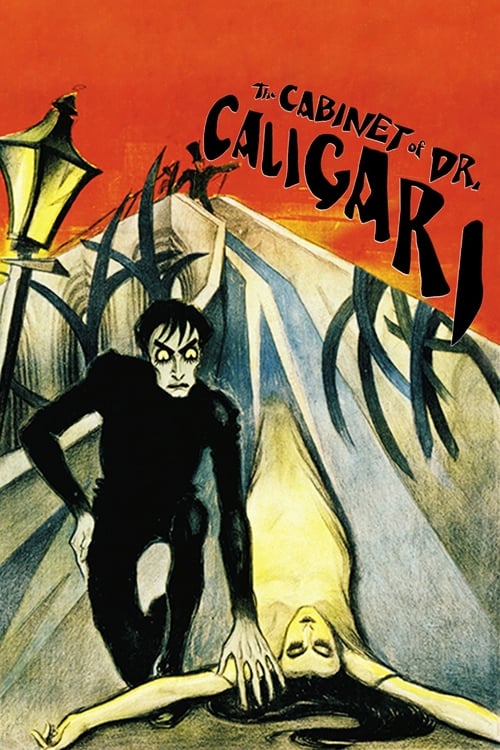
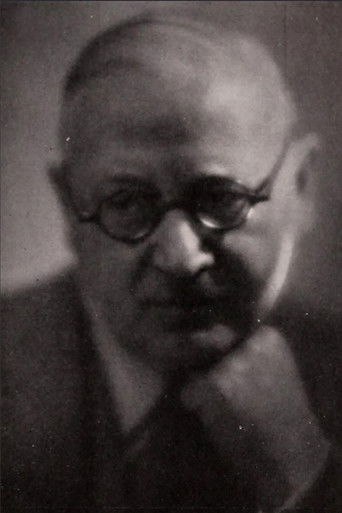
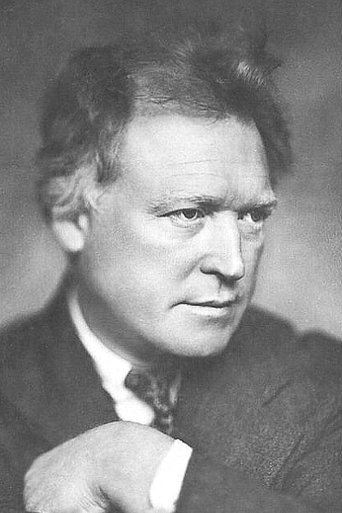
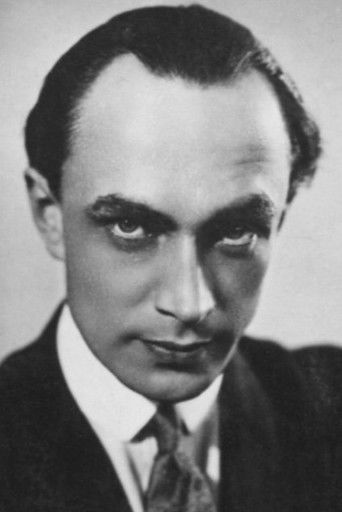
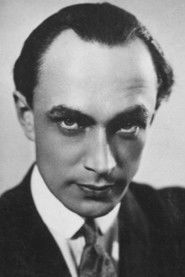
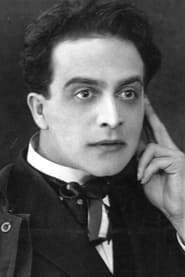
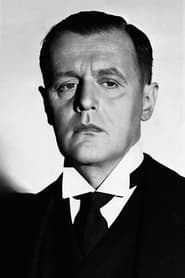
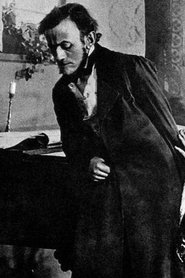
What was new was the look. Hermann Warm, Walter Reimann and Walter Röhrig built the town from painted canvas and flats, with slanting walls, jagged streets and shadows drawn straight onto the sets. Nothing in the frame was found; all of it was designed, and the set became the main idea of the film. It was practical too, since painted canvas was cheaper than real sets in a postwar economy. The actors were pitched to match: Conrad Veidt glides like a man in a trance, Werner Krauss is hunched and intense, and the camera mostly stays still, because the design already does the work.
It premiered in Berlin in February 1920 and succeeded in Germany and abroad. Some critics found it too stagey, more like a painting than a film, but it was discussed as proof that cinema could work like painting or theatre. It was not the first horror film, as earlier fantasy and horror existed, but it was the first great success of its kind and the clearest example of the full painted Expressionist look. Its framing story also became an early, influential case of a film questioning its own narrator.
Before anyone tells you what to think: what did you make of it?
Log in to rate it and leave commentsIt takes one click with Google or an email link. You come straight back here.
Rate it, keep your notes, and find the next film.
Free, no ads. Your journal, your lists, a Cine Guide that remembers you.
Create your free spaceIts shadows and angular design fed into German films of the 1920s, then into Universal horror and film noir lighting. Nosferatu and Metropolis carry its echoes, and its twist ending became a model for later films that make you doubt the person telling the story. Very few films copied the full painted look; its lasting influence is on lighting, mood and the idea of design as expression. Even the word Caligari-esque now means a warped, nightmarish look.
Today it is regarded as the standard example of German Expressionist cinema. Siegfried Kracauer's 1947 book read it as a warning about Germany's future, an argument that is influential but contested. Later viewers more often value its design, its modernist ambition and its early unreliable narrator. A hundred years on, it still asks you to doubt the person telling you the story.
What happens
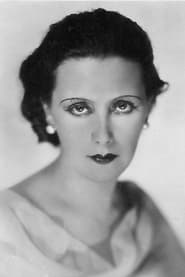
Francis is revealed to be a patient in the asylum, telling his story in its garden. Jane and Cesare are fellow inmates, and the director who looks like Caligari calmly says he now understands Francis's delusion and can cure him.
The last image
The director studies Francis with a calm, kindly look, and the film closes on him, having just promised a cure.
Three readings
What it says
The ending turns the film's fear of authority into a question about who gets to decide what is sane. Whoever holds power tells the story, and a single point of view cannot be trusted. That doubt is why people still argue about it.
Or follow an idea from this film

Explore the era or movement
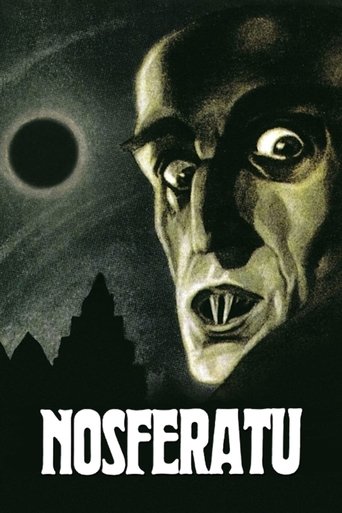
Nosferatu (1922)
Another landmark of German silent horror, using shadow and performance for dread, though with natural locations that give it a very different texture.
Compare another approach
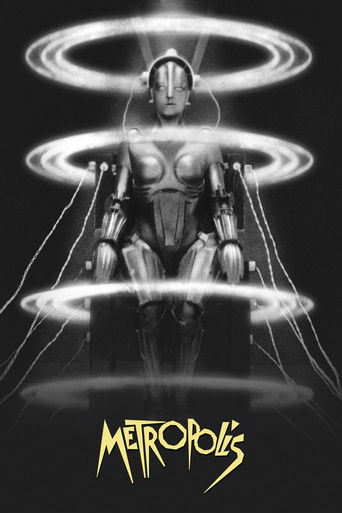
Metropolis (1927)
Shows the same Expressionist ideas on a huge, expensive scale. Compare its massive designs with the intimate painted world of Caligari.
See its influence
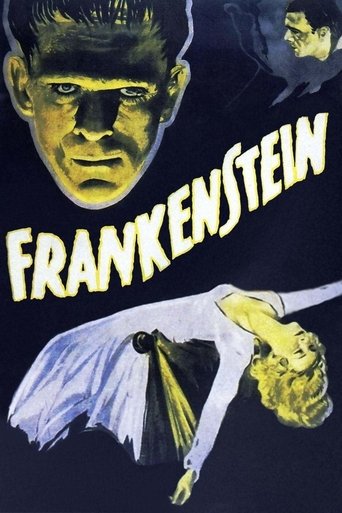
Frankenstein (1931)
Shows how the look and mood of German Expressionism moved to Hollywood and shaped the classic horror film.
Follow the idea
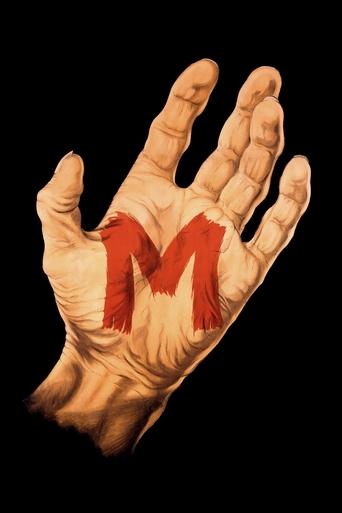
M (1931)
Fritz Lang's sound-era thriller keeps Expressionist shadow and a city gripped by fear, but applies it to a realistic crime story.
Jump forward
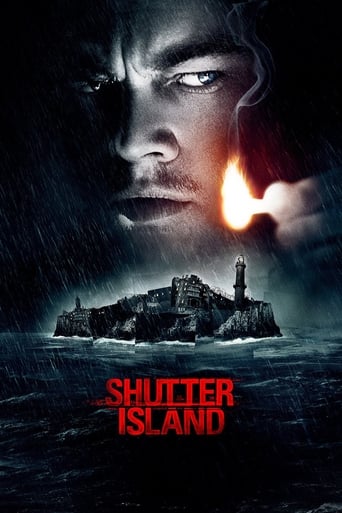
Shutter Island (2010)
A modern thriller that also leaves the viewer questioning perspective and reality, a later descendant of Caligari's narrative gamble.