Drama · Science Fiction
Metropolis
German
1927 · Directed by Fritz Lang · 148 min


Drama · Science Fiction
German
1927 · Directed by Fritz Lang · 148 min






Meaning, unpacked
Central idea
The film dramatises a split between those who plan and those who labour, and asks what could join them. Its answer, a sentimental appeal to the heart, can be read as both a hopeful vision and a politically convenient one.
What it means
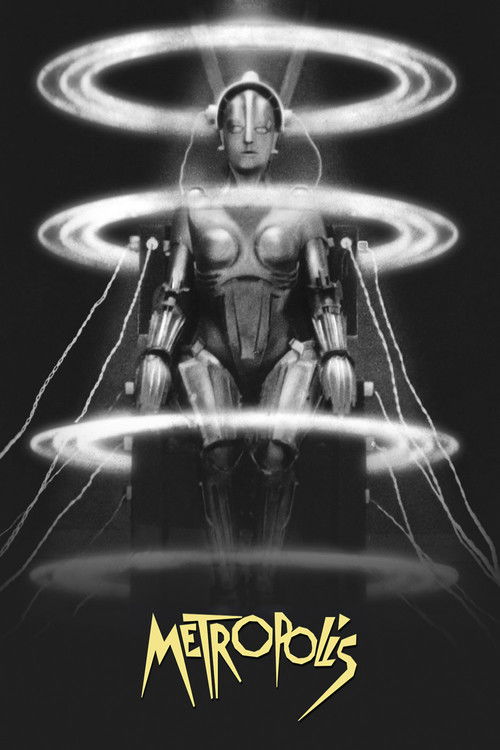
On the surface, Metropolis is simple. A rich man's son goes down among the workers who power his father's city. A robot double of Maria stirs them to revolt, and a flood follows. But the film's real interest lies elsewhere.
Its central idea is a split between those who plan and those who labour, and it asks what could join them. Its answer is the slogan that the mediator between head and hands must be the heart. You can take that as a hopeful vision or as a politically convenient one, since it offers reconciliation where the problem seems to demand revolution. Lang himself later criticised that message, even as he admired the look of the film. Along the way it plays with class, with machines that devour lives, and with biblical images of Babel, a saviour and an apocalypse. It also shows how a persuasive voice and a spectacle can lead a crowd either way, and it turns Maria into a symbol more than a person.
Why it mattered
The look is the argument. Otto Hunte, Erich Kettelhut and Karl Vollbrecht designed a city of geometric towers, huge halls and cramped worker housing. Thinkers live in the heights and workers live underground, so you can read who serves whom straight from the architecture. The shift change, with workers trudging in lockstep, heads bowed, makes movement itself a measure of freedom. The Moloch vision turns a machine into a devouring idol, and industry and religion fuse in a single transformation.
It did all this without computers. The team used the Schüfftan process, in which mirrors placed actors inside miniature sets, plus stop-motion for the traffic and thousands of extras for the crowds. Rapid cross-cutting built tension, and Gottfried Huppertz wrote a full orchestral score for the premiere. Rotwang's laboratory gave cinema its template for the mad scientist's workshop. Metropolis was not the first science fiction film, since Georges Méliès made A Trip to the Moon in 1902, but it is the genre's most influential early epic.
Before anyone tells you what to think: what did you make of it?
Log in to rate it and leave commentsIt takes one click with Google or an email link. You come straight back here.
Rate it, keep your notes, and find the next film.
Free, no ads. Your journal, your lists, a Cine Guide that remembers you.
Create your free spaceIt was no success at the time. Shooting ran for more than a year, the budget grew enormous, and the studio UFA fell into serious financial trouble. After the Berlin premiere in January 1927, the film did poorly and was cut heavily. H. G. Wells dismissed the plot as silly. Critics admired the visuals and criticised the story.
Then its reputation grew. Blade Runner's urban design and the look of C-3PO in Star Wars both owe it something. Queen's Radio Ga Ga video used its footage, and Madonna's Express Yourself borrowed its cityscape. Osamu Tezuka's manga, and later Rintaro's animated feature, grew from it. Giorgio Moroder's 1984 version reached a young audience. Footage found in Buenos Aires in 2008 made the fuller 2010 restoration possible. Remember too that co-writer Thea von Harbou later had Nazi ties, which complicates the legacy. The plot may be naive, but the images are not. Every tower and every column of marching workers asks who a city is built for.
What happens
Rotwang falls to his death from the cathedral roof after fighting Freder, and the real Maria is saved. Freder then joins the hands of his father and the workers' foreman, with the heart as mediator. The city's two halves are reconciled.
The last image
Freder stands between his father and the foreman and brings their hands together, ending the split between head and hands.
Two readings
What it says
The film sets head against hands and answers with the heart, offering reconciliation where the problem seems to demand revolution. It ends this way because it treats class conflict as a failure of feeling. Lang himself later criticised that message.
Or follow an idea from this film


Continue the director
M (1931)
Lang's first sound film swaps spectacle for tight psychological suspense. It shows his control of space and shadow in a very different register.
Follow the idea
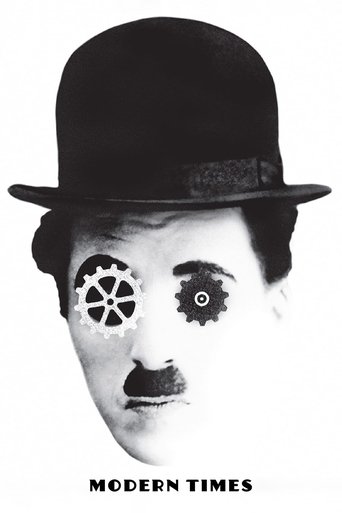
Modern Times (1936)
Chaplin approaches the same worry about workers swallowed by machines through comedy instead of allegory, a useful counterpoint in tone.
Explore the era or movement
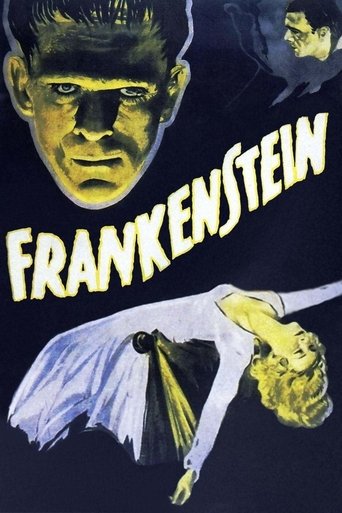
Frankenstein (1931)
Another vision of a scientist creating artificial life, with a laboratory scene that shares Rotwang's visual DNA.
Compare another approach
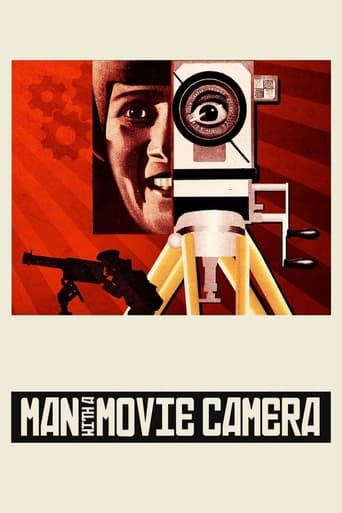
Man with a Movie Camera (1929)
A very different silent city portrait, documentary and experimental, that also finds rhythm and poetry in machines and crowds.
See its influence
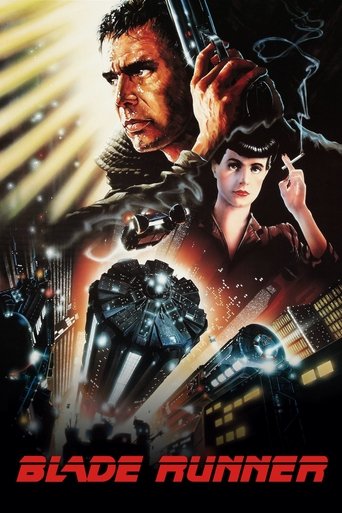
Blade Runner (1982)
A later landmark that builds on the divided, vertical future city and asks what makes artificial beings human.