Drama · Thriller · Crime
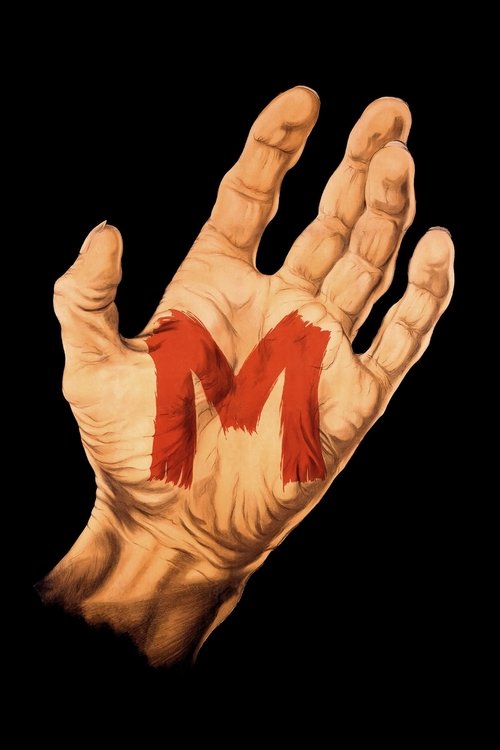
M
German (M – Eine Stadt sucht einen Mörder)
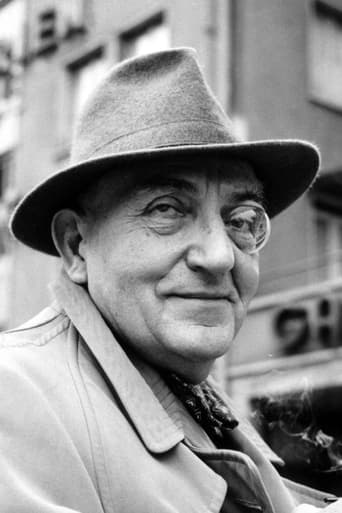
1931 · Directed by Fritz Lang · 110 min


Drama · Thriller · Crime
German (M – Eine Stadt sucht einen Mörder)
1931 · Directed by Fritz Lang · 110 min
Meaning, unpacked
Central idea
The film can be read as an investigation of how a society reacts to fear: through institutions, through informal networks and through the crowd. It keeps asking what justice means when everyone has a stake in the outcome.
What it means
M is not really about a murderer. It is about how a society behaves when it is afraid. A city is frightened, and two rival powers hunt the same man: the police, by the book, and the criminal underworld, which tracks him down and puts him on trial in its own court. The film never tells you which kind of justice to trust.
Lang makes the point through his choices. Two conferences, one of police and one of criminals, are cut together so a sentence starts in one room and ends in the other. The editing argues that the two groups think alike. And he never shows the child's death: you see an empty stairwell, a ball, a balloon and a mother waiting at the door. What you imagine disturbs more than anything he could have shown. At the mock trial the accused is allowed to speak, and the crowd's certainty is tested against his plea that he cannot control what drives him.
Why it mattered
M was Lang's first talkie, made after a string of large silent productions. He used the new medium sparingly, with almost no conventional score and a lot of silence, so ordinary noises feel charged. A whistled tune becomes the killer's signature, then a trap when a blind balloon-seller recognises it. Sound bridges and cross-cutting join distant places and show how information moves through a city.
It also carried Expressionist style, with its shadows, mirrors and shop windows, into realistic locations. And it follows institutions rather than a single hero, shifting from procedure to a moral confrontation. The script was credited to Lang and Thea von Harbou, one of their last collaborations. It premiered in Berlin in 1931 to wide praise, and was controversial because it put judgment itself on trial.
Before anyone tells you what to think: what did you make of it?
Log in to rate it and leave commentsIt takes one click with Google or an email link. You come straight back here.
Rate it, keep your notes, and find the next film.
Free, no ads. Your journal, your lists, a Cine Guide that remembers you.
Create your free spaceIts mix of procedure, urban realism and moral ambiguity shaped the police procedural, film noir and later serial-killer films. Its sound motif and sound bridges became part of the common language of suspense. The killer's whistling of Grieg's "In the Hall of the Mountain King" is still borrowed to signal a predator nearby, even by people who have never seen the film.
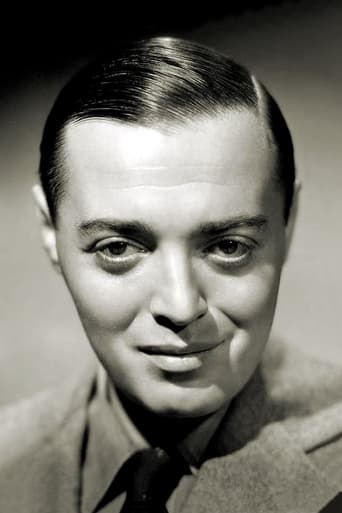
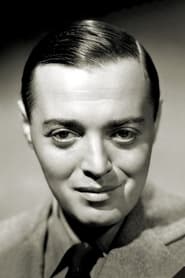
Today it is seen as Lang's best-known sound film and a cornerstone of the crime thriller, and its reputation has grown as later films adopted its methods. The role made Peter Lorre internationally known, and his performance is often cited as a landmark of screen acting. Its questions about mob justice and responsibility keep coming up, and it is a common text in film and sound-design courses.
What happens
Beckert is caught by the underworld and tried in a makeshift court, where he pleads that he cannot control his compulsion. The police arrive before any verdict, and the film cuts to a courtroom where a mother says children need more watching.
The last line
"One has to keep better watch over the children."
Two readings
What it says
The film withholds a verdict because its subject is how a frightened society judges, not what happens to one man. The mother's closing words move the burden from punishing a killer to protecting children, which is the point everyone had lost.
Or follow an idea from this film

Continue the director
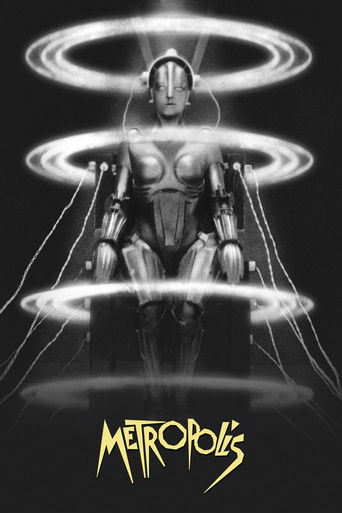
Metropolis (1927)
Lang's silent spectacle shows the visual ambition and fascination with systems and crowds that M later applies to a small, realistic story.
Explore the era or movement
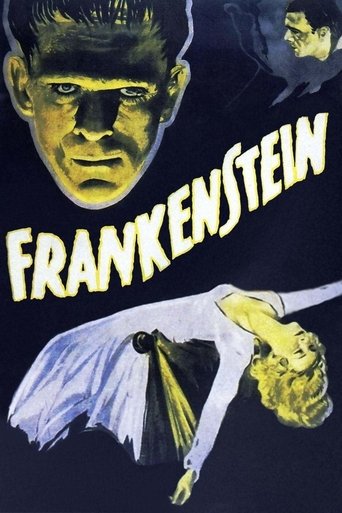
Frankenstein (1931)
Released the same year, it shows how Hollywood used early sound for horror, including its own treatment of a hunted outsider and an angry crowd.
See its influence
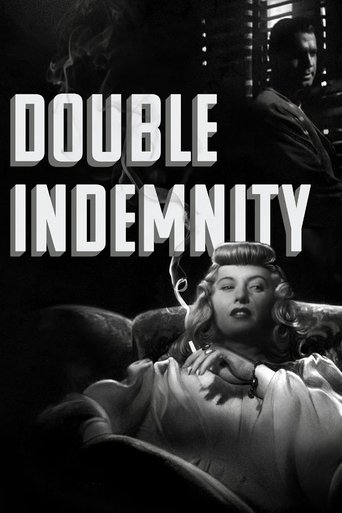
Double Indemnity (1944)
A defining film noir that carries forward the shadowed urban style and moral ambiguity of M, shaped by Austrian and German exiles.
Compare another approach
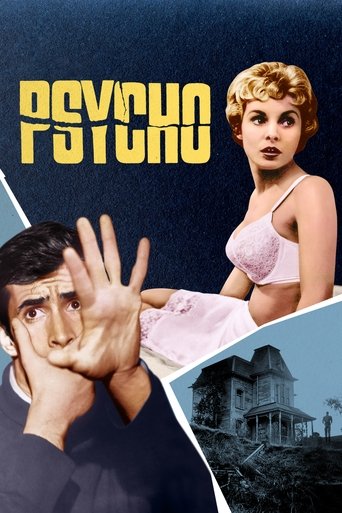
Psycho (1960)
Hitchcock also focuses on a disturbed killer, but asks the audience to identify with the story's perspective in a very different way.
Jump forward
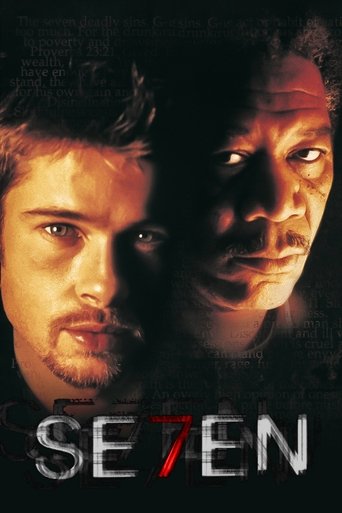
Se7en (1995)
A modern thriller that shares M's procedural method, urban atmosphere and unsettling questions about justice.