

Horror · Thriller · Mystery
Psycho
Avg rating 9.1 / My rating TBC
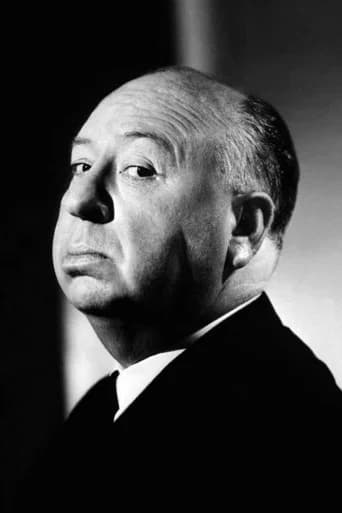
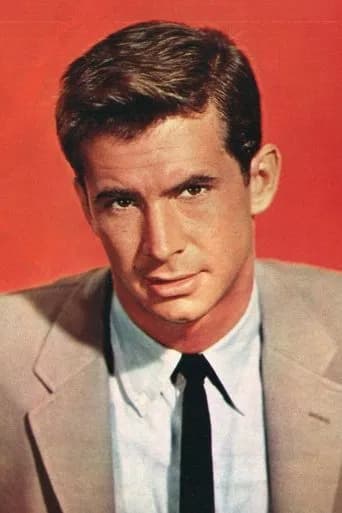
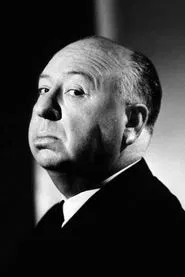
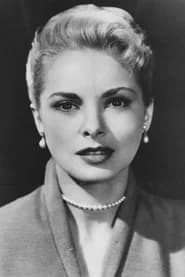
1960 · Directed by Alfred Hitchcock · With Anthony Perkins, Janet Leigh, Vera Miles
- Horror
- Suspense
- Auteur Cinema
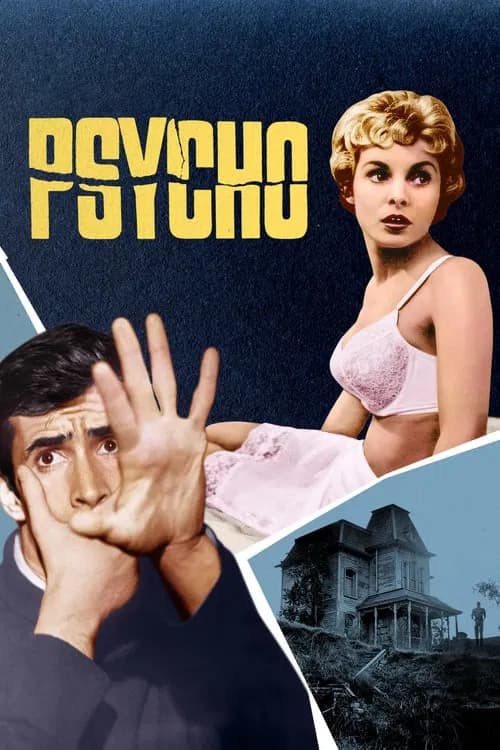
A woman on the run with a stolen envelope of cash leaves the highway for a quiet motel off the main road. Its shy young manager seems harmless, but Hitchcock builds unease out of small details, a house on a hill and a score of nothing but strings.
Film info
- Runtime
- 1h 49m · 109 min
- Format
- Black and white, standard widescreen 1.85:1, with a score for strings only.
- IMDb
- 8.5 / 10 (783,952 votes)
- Rotten Tomatoes
- 97% (critics)
- Metacritic
- 97 / 100
- TMDB
- 8.4 / 10 (audience, 11,297 votes)
- Trailer
- ▶ Watch the trailer
Before watching
Spoiler-free · about 2 minutes
Short on time? Spoiler-free
A 3-minute summary
Why watch this?
A founding film of the modern horror thriller
Psycho moved screen horror from castles and monsters into ordinary American roads, motels and minds. It is Hitchcock's most famous film and the template for much of the suspense and horror cinema that followed.
A masterclass in controlling an audience
Hitchcock steers what viewers know, fear and hope for, shot by shot. Even on a first viewing, it is a lesson in how editing, framing and music create dread without announcing it.
Craft at full strength on a small budget
Shot in black and white with a modest crew, it pairs Bernard Herrmann's strings-only score with Saul Bass's graphic design and John L. Russell's stark cinematography. It is a lean, unusually precise piece of studio filmmaking.
Why it matters in cinema history
A defining film of postwar American suspense and a turning point for horror, it showed a mainstream studio director taking genre material into frank, psychologically unsettling territory just as the old production restrictions were loosening.
Watch with intention
Your lens
Watch how Hitchcock controls what you look at and what you feel about it, long before the film explains anything.
Three things to notice
- Mirrors, windows and glass surfaces: how often characters are reflected or looked at through them, and what the camera lets you observe.
- Bernard Herrmann's strings-only score: how it changes the tension of ordinary moments, such as a long drive, before anything alarming happens.
- The rooms and objects in the motel office, parlour and the house on the hill, and what they suggest about the people who keep them.
One question to carry with you
What does the film make you most anxious about in its opening stretch, and how does it manage your attention?
- Director's moment
- Hitchcock arrived at Psycho after Rear Window, Vertigo and the glossy colour hit North by Northwest. He deliberately chose a cheaper, harsher project to test himself.
- Industry
- Studios were struggling against television and the old Production Code was loosening. Hitchcock financed the film through his own company and used a television crew to keep costs low.
- Dominant styles
- Screen horror in the 1950s meant creature features and colourful British gothic. Mainstream suspense usually meant glamorous stars in exotic settings and reassuring resolutions.
- Audience
- Audiences expected a major star in a Hitchcock picture to anchor the story. Marketing urged people to see the film from the beginning, treating the viewing itself as an event.
Where it came from
Film
Les Diaboliques (1955)
Henri-Georges Clouzot's shocking French thriller was a major hit and showed that audiences would pay for dark, tightly plotted suspense.
Film
Vertigo (1958)On Cinespective
Hitchcock's previous film, an intense study in obsession and subjective viewpoint, shows the psychological territory he was moving into.
Tradition
Robert Bloch's novel Psycho
The pulp novel supplied the premise, which Joseph Stefano's screenplay reshaped and Hitchcock sharpened into a visual exercise in suspense.
This film
Psycho (1960)
New at the timeA major-studio, star-led thriller that set its fear in plain, contemporary American settings and handled violence and disturbed psychology with a frankness unusual for 1960.
- Country and moment
- The film came out at the end of the 1950s, a time of postwar prosperity, suburban family ideals and Cold War anxiety. Many Americans held up respectability and conformity as norms, and the film looks at what might lie beneath them.
- Politics and censorship
- The Production Code still governed Hollywood, but it was losing authority. Hitchcock negotiated with the Code office over sexuality and violence, and he pushed the limits of what mainstream audiences were allowed to see.
- The filmmaker's situation
- Hitchcock was at the height of his fame, with a television series and a string of hits. He was dissatisfied with studio routine, and Paramount was reluctant to back the project. He financed it largely himself and used his television crew to keep costs low.
- Society and audience
- Postwar American culture was growing more interested in popular psychology and psychoanalysis. The film drew on this fascination, and it was inspired by a novel loosely based on a real Wisconsin criminal case.
- Pace
- Unhurried and deliberate at first, then tightening into sharp, economical suspense. Dialogue scenes carry as much tension as the set pieces.
- Style
- Precise, controlled studio filmmaking: stark lighting, carefully composed close-ups, and editing that guides the eye.
- Performance
- Restrained, naturalistic acting. Anthony Perkins's nervous, boyish manner and Janet Leigh's guarded warmth carry much of the tension.
- Format
- Black and white, standard widescreen 1.85:1, with a score for strings only.
- Violence
- Suggested through cutting and sound rather than shown graphically. It is mild by modern standards but still intense.
14+
Suggested age
Teens
Ratings range from 12 (Germany, France) to 15 (BBFC) and R (US); 14 suits teens who can handle sudden, intense scenes and a slow-building classic.
Official ratings
- USR
- UK15
- Germany12 / 18
- France12 / 18
Good for
Teens curious about classic cinema will find a masterclass in suspense, music and editing, with a short running time and plenty to discuss and rewatch.
May unsettle
- Violence: Sudden, very intense attacks. Quickly edited so little is shown explicitly, but they are shocking and frightening.
- Intensity: Sustained suspense and a creepy, tense atmosphere, helped by a shrill, jarring musical score.
- Scary imagery: Shadowy figures, gloomy interiors and unsettling details may stay with sensitive viewers after the film ends.
- Mature themes: Adult subjects including theft, secret relationships and brief suggestive scenes with characters in underwear.
Explain first
- It is a black-and-white film from 1960, so the pace and acting style feel slower and more formal than modern thrillers.
- Hitchcock builds suspense deliberately; the screeching music and tense camera angles are intended to unsettle you.
- Try to avoid spoilers beforehand: the film works best if you go in knowing as little as possible.
Talk about it after
How did the music, camera angles and editing make you feel tense, even in moments when very little was actually shown on screen?
Cinespective's own guidance, a draft: check it against the official ratings and your own judgement. Second opinions: Common Sense Media, IMDb (see its Parents Guide). Ratings from TMDB.