Drama · Romance
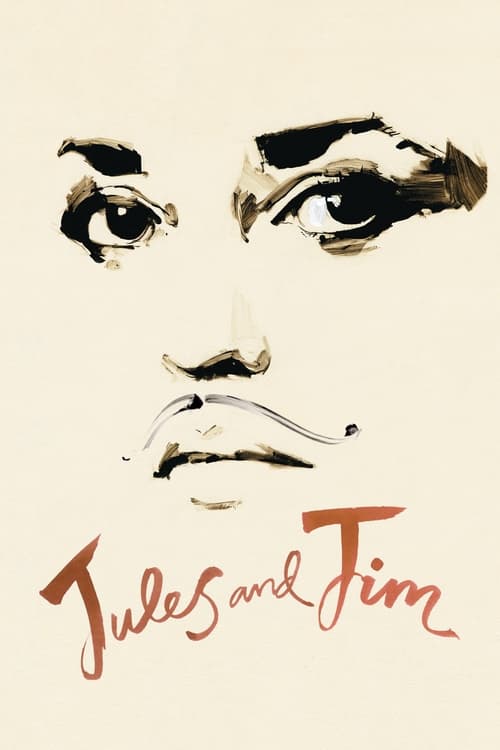
Jules and Jim
French (Jules et Jim)
1962 · Directed by François Truffaut · 106 min


Drama · Romance
French (Jules et Jim)
1962 · Directed by François Truffaut · 106 min
Meaning, unpacked
Central idea
The film explores whether love can be free of possession, and what that freedom costs. It can be read as a study of three people trying to live outside convention while history and their own needs press in.
What it means
Two friends love the same woman, the First World War splits their story in two, and Catherine's last, coldly planned drive ends it. But the question underneath matters more: can love be free of possession, and what does that freedom cost? Truffaut gives us three people trying to live outside convention while history and their own needs press in.
Catherine insists on living by her own rules, in a world that offers women few options. The men try to be generous, but jealousy keeps breaking through. Jules and Jim's friendship is deep and almost unspoken, and it both survives and is strained by their feelings for her. The film admires Catherine, mourns her and criticises her all at once, so the popular summary, a woman who destroys two men, doesn't hold up. Her song, "Le Tourbillon de la vie", sees love as a whirl no one can hold on to.
Why it mattered
Truffaut brought the French New Wave's freedom of form to a romance. An offscreen narrator, borrowed from the novel, sums up years in a sentence, then slows down for a single gesture. Freeze frames and newsreel footage make the whole story feel remembered and already slipping away, while placing it in history, including the war.
Raoul Coutard, who also shot Breathless, gave a widescreen period story a light, mobile camera, with swift pans and jump-like transitions that feel spontaneous. The black and white CinemaScope frame keeps all three characters together, so you see the triangle as well as feel it. It opened in 1962 to strong admiration and became one of Truffaut's biggest successes, though some found it shocking and it met censorship and age restrictions in certain countries.
Before anyone tells you what to think: what did you make of it?
Log in to rate it and leave commentsIt takes one click with Google or an email link. You come straight back here.
Rate it, keep your notes, and find the next film.
Free, no ads. Your journal, your lists, a Cine Guide that remembers you.
Create your free spaceIts mix of voiceover, freeze frames and fluid camerawork shaped later romantic and ensemble films. Its open treatment of unconventional relationships influenced filmmakers in Europe and America, including the New Hollywood generation. Its title is now shorthand for a trio bound by friendship and desire.
Today it is regarded as one of Truffaut's finest films and a central work of the New Wave. Jeanne Moreau's guitar song became one of the best-known in French cinema, and Catherine made her an emblem of independent, enigmatic womanhood. Catherine is still argued over: a woman defying convention, or a figure shaped by male fantasy? The film never settles it, and perhaps that is the point.
What happens
Catherine invites Jim for a drive and steers the car off a broken bridge into the river, killing them both. Jules watches from a distance, then attends their cremation. The ending reveals how far the freedom she lived by could turn destructive.
The last image
Jules, alone after the cremation, is left with his memories of the friendship and the woman who bound it.
What it says
The film has celebrated love without limits, but it ends quietly and almost clinically, with the playfulness gone. It does not simply blame Catherine: it shows what freedom can cost everyone, and leaves Jules to remember what slipped away.
Or follow an idea from this film


Continue the director
The 400 Blows (1959)
Truffaut's debut shows the autobiographical, observant side of his work and makes a useful comparison with this film's literary one.
Explore the era or movement
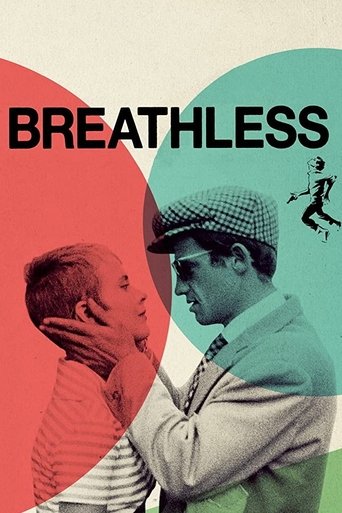
Breathless (1960)
Shot by the same cinematographer, Godard's film shows the New Wave's jump cuts and street-level energy in sharper, more provocative form.
See what influenced it
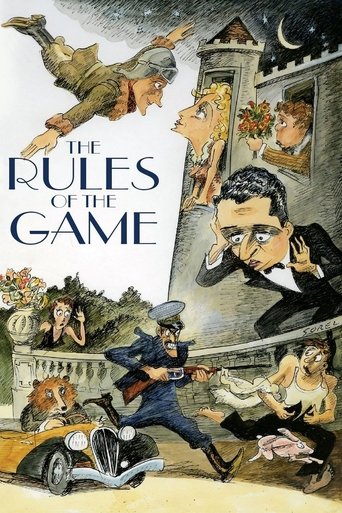
The Rules of the Game (1939)
Renoir's ensemble film of love, deception and social change is an ancestor of Truffaut's compassionate treatment of flawed people.
Jump forward
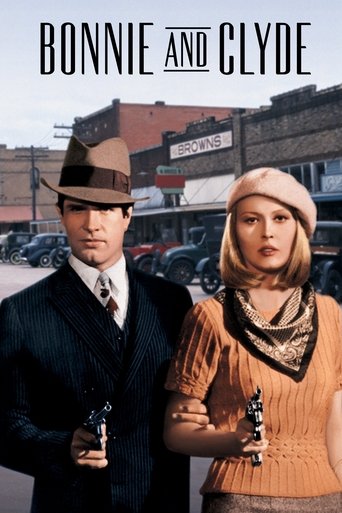
Bonnie and Clyde (1967)
American filmmakers adopted European freedom of form here, in another story of an unconventional trio that moves from lightness to tragedy.
Compare another approach
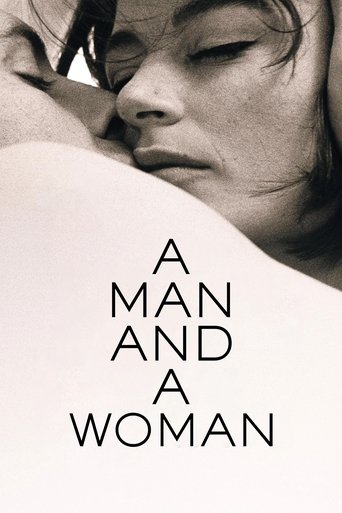
A Man and a Woman (1966)
Another French romance shaped by memory and style, but gentler and more glamorous in outlook.