


Drama · Romance
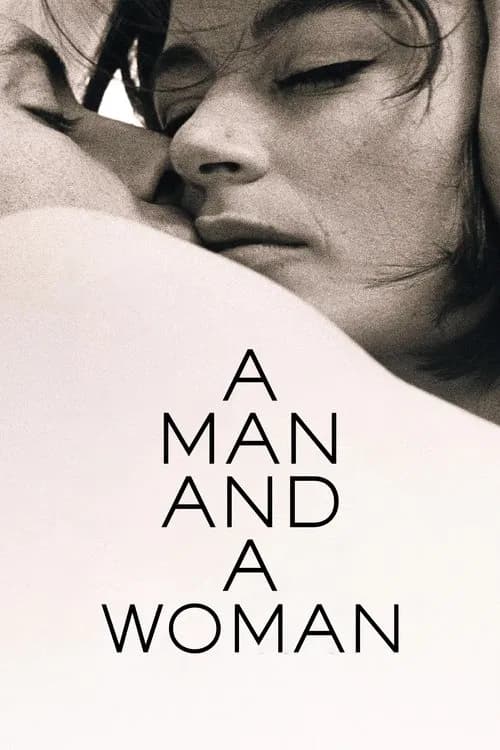
A Man and a Woman
Avg rating 7.5 / My rating TBC
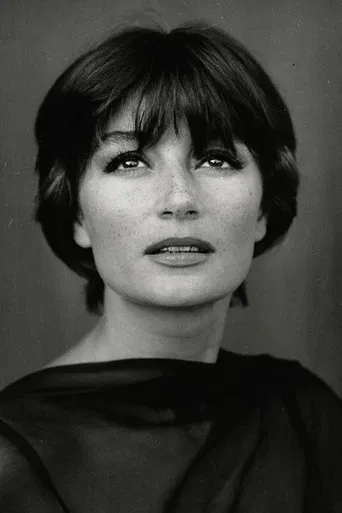
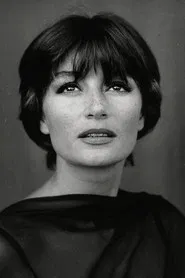
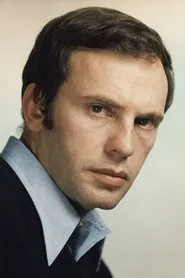
1966 · Directed by Claude Lelouch · With Anouk Aimée, Jean-Louis Trintignant, Pierre Barouh
- French New Wave
- Art Cinema
- Melodrama
A widow and a widower meet by chance at their children's boarding school in Deauville and share a car ride back to Paris. What follows is a restrained, music-led love story in which memory and hesitation matter as much as attraction.
Film info
- Runtime
- 1h 42m · 102 min
- IMDb
- 7.5 / 10 (12,337 votes)
- Rotten Tomatoes
- 75% (critics)
- TMDB
- 7.4 / 10 (audience, 319 votes)
- Trailer
- ▶ Watch the trailer


Before watching
Spoiler-free · about 2 minutes
Why watch this?
A global hit of 1960s romantic cinema
Winner of the Palme d'Or at Cannes and two Oscars, it made Claude Lelouch internationally famous and became a defining French romance, remembered as much for its mood and music as its plot.
Colour, black-and-white and sepia, used by instinct
The film shifts between palettes in ways that feel more emotional than systematic. It is a clear example of 1960s freedom with image, sound and editing.
Francis Lai's music carries the feeling
The title theme and Pierre Barouh's songs do much of the emotional work, with the images often cut like a music video before the term existed.
Why it matters in cinema history
A popular, stylish counterpart to the harder-edged New Wave, it showed that the new French freedom of form could produce a romantic crowd-pleaser with worldwide reach.
Watch with intention
Your lens
Watch it as a love story told through mood: let the music, the changing colour and the pauses tell you what the dialogue won't.
Three things to notice
- When the image shifts between colour, black-and-white and sepia, ask what each shift seems to do emotionally rather than looking for a strict rule.
- How often the camera stays in cars and moving vehicles, and how motion, roads and driving create intimacy and tension.
- The way Francis Lai's themes and the songs enter and sometimes replace conversation, shaping how a glance or silence feels.
One question to carry with you
How much of a person's past can you leave behind before you can begin loving someone new?
- Industry
- Lelouch made it independently and cheaply after earlier films had failed, so its success was a surprise. Its Cannes win and Oscar run brought French cinema a new, wider audience.
- Dominant styles
- French cinema was shaped by the New Wave's handheld, location-based, personal filmmaking. Studio-polished romances and prestige literary adaptations were still the older, mainstream tradition.
- Technology
- Lightweight cameras, fast film and zoom lenses allowed fluid shooting in cars, on beaches and at racetracks, and made the film's restless, intimate look practical.
- Audience
- The mid-1960s public was drawn to glamorous, modern European films with pop-tinged soundtracks. This one offered feeling and style without heavy intellectual demands.
Where it came from
Movement
French New Wave
Lightweight cameras, location shooting and personal, improvised style gave Lelouch the freedom to make an intimate romance.
Film
Les Parapluies de Cherbourg (1964)
Jacques Demy's romance showed that music and colour could drive a modern French love story.
Film
Brief Encounter (1945)
An earlier model of a restrained adult romance in which feeling is held back by circumstances.
This film
A Man and a Woman (1966)
New at the timeIt treated a quiet adult romance with the visual and musical freedom of a New Wave film, mixing colour stocks and using songs as narrative engine.
- Country and moment
- France was in the Trente Glorieuses, the postwar boom: rising wages, car ownership, television and holiday travel. Resorts like Deauville and motor racing reflected a society enjoying new mobility and leisure.
- Society and women's roles
- Women's lives were changing. A 1965 reform let married women work and manage their own property without a husband's consent, and a woman with a career and a child, as in the film, was an increasingly visible figure.
- Politics and censorship
- The Fifth Republic under de Gaulle was stable but socially conservative. Wider upheaval, including the protests of May 1968, was still two years away, and the film's tone is private and personal rather than political.
- The filmmaker's situation
- Claude Lelouch was in his late twenties. His earlier features had done poorly, and he made this one through his own small company with limited money. Its international success, including the Cannes Palme d'Or, transformed his career.
- Pace
- Gentle and episodic, with long stretches of driving, glances and music. Plot is simple, and the interest is in mood and small moments.
- Style
- Impressionistic and lyrical: quick cuts, handheld and zoom shots, and montages that feel like early music-video editing.
- Colour
- Colour, black-and-white and sepia alternate without a rigid pattern. Treat it as expressive rather than a puzzle to decode.
- Performance
- Understated and naturalistic. Anouk Aimée and Jean-Louis Trintignant convey a lot through reticence.
- Language
- In French with subtitles. Songs include French and Brazilian-flavoured numbers, and the title theme uses wordless vocals.
12+
Suggested age
Teens
France rates it U (all audiences), the only official rating given, but its quiet, adult-focused story, subtitles and flashback style suit children from about 12.
Official ratings
- FranceU
Good for
Older children and teens who like romance, French style, motor racing or visual experimentation may enjoy the lovely coastal settings, shifting colour and black-and-white photography, and the famous, lilting score.
May unsettle
- Mature themes: Loss and grief are central to the story, and the characters' emotional pasts are treated seriously, with some sensitive subject matter.
- Romance and intimacy: Adult relationships and physical affection are part of the story, handled discreetly and without anything explicit.
- Peril: Motor racing and film-set stunts bring brief moments of danger, with some intense or tense imagery.
- Pace: A slow, reflective, dialogue-led film with subtitles and frequent shifts between colour and monochrome that may lose younger viewers.
Explain first
- It is in French with subtitles, so younger children will need to read along or have help following the dialogue.
- The film jumps between present and memory, and between colour and black-and-white, as a way of showing the characters' thoughts and feelings.
- It was made in 1966, so the cars, fashions and pace of life look very different from today.
Talk about it after
>How did the filmmaker use colour, black-and-white and music to show what the characters were feeling, and did it help you understand them?
Cinespective's own guidance, a draft: check it against the official ratings and your own judgement. Second opinions: Common Sense Media, IMDb (see its Parents Guide). Ratings from TMDB.