

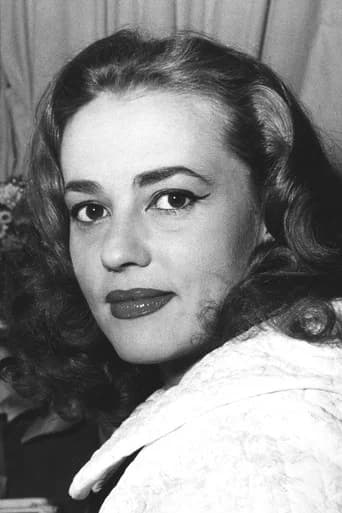
Drama · Romance
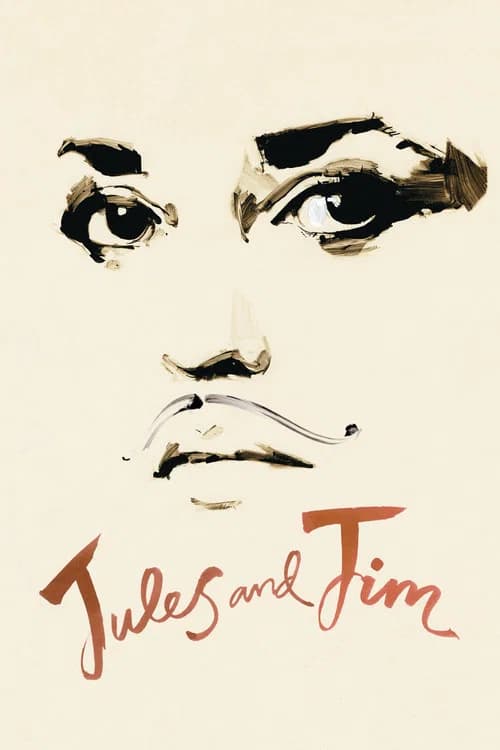
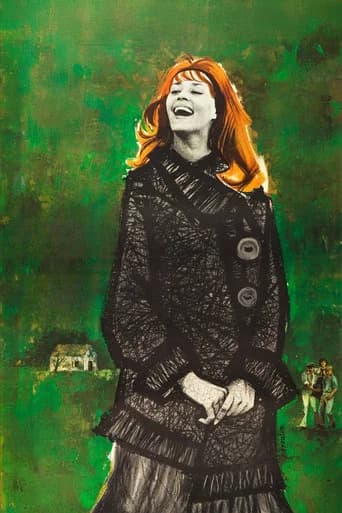
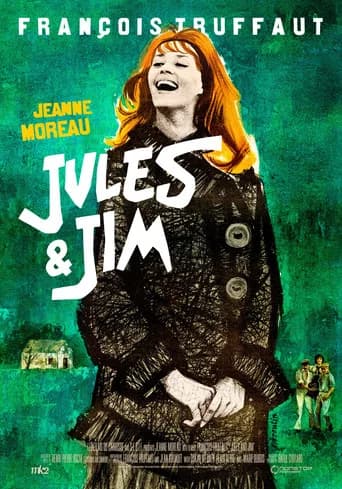
Jules and Jim
Avg rating 8.6 / My rating TBC
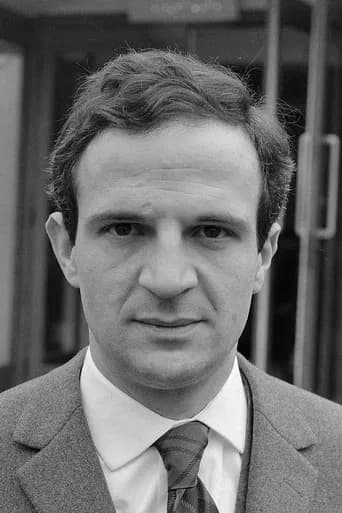
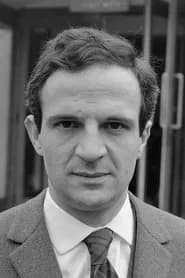
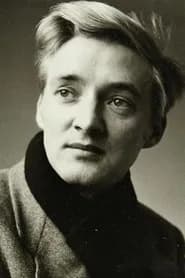
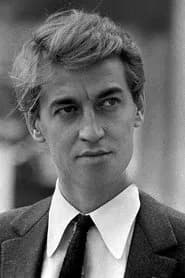
1962 · Directed by François Truffaut · With Jeanne Moreau, Oskar Werner, Henri Serre
- French New Wave
- Art Cinema
- Melodrama
- Auteur Cinema
Before the First World War, a shy Austrian writer and a spirited Frenchman become inseparable friends in Paris. Then a captivating, unpredictable woman enters their lives, and the friendship is tested across two decades. Playful and tender in tone, with a restless, inventive style.
Film info
- Runtime
- 1h 46m · 106 min
- IMDb
- 7.7 / 10 (46,204 votes)
- Rotten Tomatoes
- 94% (critics)
- Metacritic
- 97 / 100
- TMDB
- 7.5 / 10 (audience, 1,076 votes)
- Trailer
- ▶ Watch the trailer



Before watching
Spoiler-free · about 2 minutes
Short on time? Spoiler-free
A 3-minute summary
Why watch this?
The New Wave at its most lyrical and generous
Truffaut's third feature, after The 400 Blows and Shoot the Piano Player, is among the most beloved films of the French New Wave. It shows the movement's freedom of form applied to romance rather than crime or youth.
A landmark performance by Jeanne Moreau
Moreau's Catherine is one of the defining screen roles of the 1960s: mercurial, magnetic, never reducible to a type. The whole film turns on how she is seen.
Cinema that tells a story with the camera, not just the script
Freeze frames, narration, newsreel inserts and swift tracking shots keep the story moving like a memory being told aloud. Few films make formal play feel so warm.
Why it matters in cinema history
A defining film of the French New Wave's second phase, when its young directors moved from raw debuts to confident, emotionally ambitious storytelling that still broke the rules of classical narrative.
Watch with intention
Your lens
Watch it as a story being remembered and narrated, where the style itself shows how the characters feel about time and each other.
Three things to notice
- How narration and rapid editing compress years into moments, then suddenly slow down for a single glance or gesture.
- The freeze frames and the moving camera: when the film stops an image, and when it chases the characters at speed.
- How Catherine is framed and costumed compared with the two men, and how Moreau's expression changes from scene to scene.
One question to carry with you
Is Catherine being understood by the film, by the two men, or by neither of them?
- Movement
- By 1962 the New Wave had arrived: Truffaut, Godard and Chabrol had made their debuts, shooting on location with light crews and treating film as personal expression.
- Director's moment
- Truffaut, a former critic, had followed the autobiographical 400 Blows with the genre experiment Shoot the Piano Player. This film adapts a novel by Henri-Pierre Roché, written late in his life.
- Technology
- Lightweight cameras and fast black-and-white stock let cinematographer Raoul Coutard shoot fluidly in CinemaScope, a format then associated with large spectacles, not intimate stories.
- Dominant styles
- Mainstream romance still favoured tidy plots, moral verdicts and studio gloss. Here a three-way relationship is treated with curiosity rather than judgment.
Where it came from
Film
The 400 Blows (1959)On Cinespective
Truffaut's debut established his warm, observant style and the New Wave's freedom, which he turned here toward adult love and fiction.
Film
The Rules of the Game (1939)On Cinespective
Renoir's ensemble tragicomedy of love and class shaped Truffaut's compassion for flawed characters and his refusal to simplify them.
Filmmaker
Henri-Pierre Roché
His semi-autobiographical novel provided the story, the three-way relationship and the calm, unjudging narrative voice.
This film
Jules and Jim (1962)
New at the timeA love triangle told with a novelist's voice and a New Wave toolkit, refusing to condemn anyone and treating freedom in love as an open question.
- Country and moment
- France in 1961–62 was emerging from the Algerian War, which ended in March 1962, and entering rapid modernisation and consumer growth under de Gaulle's Fifth Republic. The story looks back to the era before 1914 and the interwar years.
- Society and audience
- Young French people were changing attitudes towards marriage, sexuality and women's independence. Postwar generations were also reconsidering the First World War and French–German relations, a theme that runs through the friendship of a Frenchman and an Austrian.
- Politics and censorship
- Official film censorship still existed in France. A story of an openly unconventional three-way relationship drew some objections, and the film was given age restrictions in some markets.
- The filmmaker's situation
- Truffaut was a former critic who had won fame with The 400 Blows (1959). His second film, Shoot the Piano Player, had been commercially disappointing. He adapted Henri-Pierre Roché's semi-autobiographical novel, which Roché published in his seventies, and had discovered it in the 1950s.
- Pace
- Brisk and episodic, covering around two decades. Scenes are short, with a light touch, and the mood shifts from joking to sorrowful without warning.
- Style
- Narrated by an offscreen voice, with freeze frames, archive footage and long tracking shots. It feels like a spoken novel.
- Colour and ratio
- Black and white, widescreen CinemaScope (2.35:1).
- Language
- French with a little German; watch with subtitles.
- Performance
- Naturalistic and playful, with sudden emotional turns. Moreau sings a song that became closely tied to the film.
14+
Suggested age
Teens
Rated 12 in Germany, TP (all audiences) in France and unrated in the US; the adult relationship themes, subtitles and black-and-white style make 14 a sensible age for watching together.
Official ratings
- USNR
- Germany12
- FranceTP
Good for
Older teens curious about classic cinema may enjoy the playful, energetic style, the witty narration, the period Paris and countryside settings, and a story about friendship and love.
May unsettle
- Mature themes: Adult relationships, infidelity, jealousy and emotional turmoil drive the story. Little is shown explicitly, but the ideas are grown-up and may need discussion.
- Dated attitudes: Its view of women and of relationships reflects its era, and the central female character is often seen through the men's idealising gaze.
- Violence: Brief, non-graphic violence and moments of danger. The impact is more emotional than gory.
Explain first
- It is in French (plus some German) with subtitles, in black and white, and the narration and editing move very quickly.
- It is set in the years around the First World War, so some attitudes and customs are those of that time.
- It was a landmark of the French New Wave, which broke conventions by using fast cuts, narration and a free, experimental style.
Talk about it after
Do you think the friends' idea of freedom in love is realistic, and what do you think it costs the people involved?
Cinespective's own guidance, a draft: check it against the official ratings and your own judgement. Second opinions: Common Sense Media, IMDb (see its Parents Guide). Ratings from TMDB.