

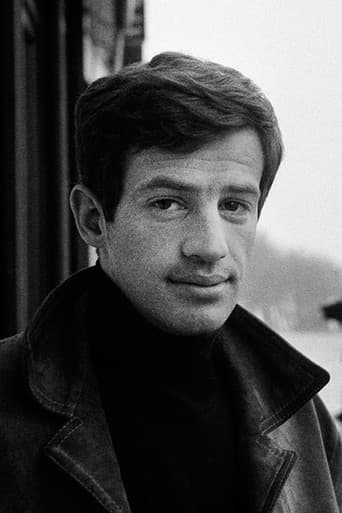
Drama · Crime · Romance
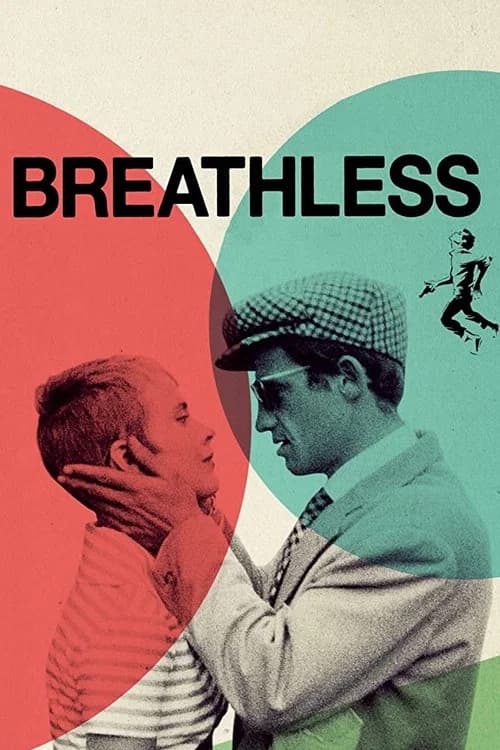
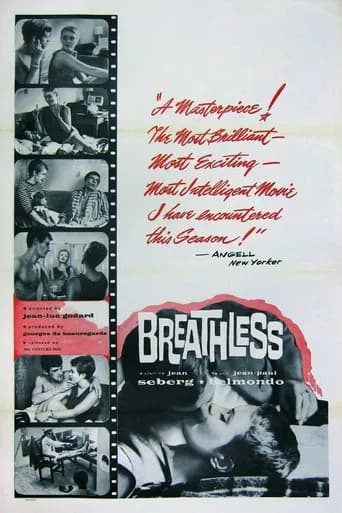
Breathless
Avg rating 8.6 / My rating TBC
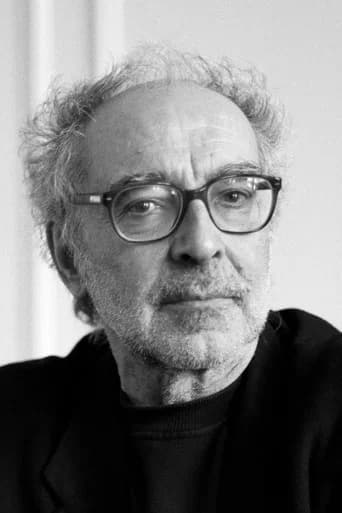
1960 · Directed by Jean-Luc Godard · With Jean-Paul Belmondo, Jean Seberg, Daniel Boulanger
- French New Wave
- Art Cinema
- Auteur Cinema
A small-time crook in Paris drifts through the city with a borrowed swagger, modelled on Hollywood gangsters, while the police close in. He spends his time trying to win over an American student who sells newspapers on the Champs-Élysées. A crime story told with a restless, improvised-feeling energy.
Film info
- Runtime
- 1h 30m · 90 min
- IMDb
- 7.6 / 10 (95,230 votes)
- Rotten Tomatoes
- 95% (critics)
- Metacritic
- 96 / 100
- TMDB
- 7.5 / 10 (audience, 2,097 votes)
- Trailer
- ▶ Watch the trailer
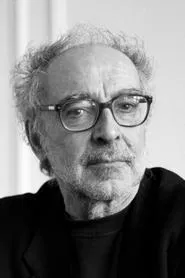
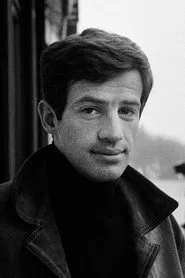

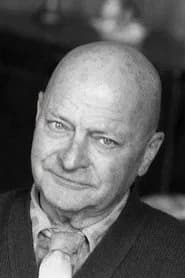

Before watching
Spoiler-free · about 2 minutes
Why watch this?
The film that announced the French New Wave to the world
Godard's first feature is the most famous single statement of the New Wave. It turned a low-budget street shoot into a global signal that cinema could be remade by young outsiders.
An editing revolution you can see on screen
Its jump cuts, which break continuous time inside a scene, looked like errors to many viewers in 1960. They became one of the most imitated rhythms in modern film.
Two screen personalities that define cool
Jean-Paul Belmondo's restless, lip-rubbing charm and Jean Seberg's cropped hair and ambivalence made a style as much as a story. Much of the film's pleasure is simply watching them talk.
Why it matters in cinema history
A defining work of the French New Wave and the moment when the movement's critics-turned-directors proved a film could break classical grammar and still be a popular, youthful hit.
Watch with intention
Your lens
Watch it as a love letter to Hollywood B-movies that is also taking the genre apart as it goes.
Three things to notice
- How scenes are cut: moments are skipped inside a single conversation or car ride, so time jumps while the action seems to continue.
- How the two leads talk. Long exchanges in a small room feel loose, circling and half-improvised, and they carry as much of the film as the crime plot.
- Echoes of American film and culture, including posters, gestures, and the way the hero imitates a screen tough guy.
One question to carry with you
Is the hero acting out a role he has borrowed from the movies, and does the film want you to admire him or see through him?
- Industry
- French cinema was dominated by polished studio films that the young critics of Cahiers du Cinéma disparaged. Godard wrote for that magazine before directing, and this was his first feature.
- Technology
- Lighter cameras and faster film stocks allowed shooting on real streets with minimal lighting and a small crew. Sound was largely added afterwards.
- Dominant styles
- Classical continuity editing, designed to hide cuts and keep time and space seamless, was the standard of both Hollywood and mainstream French cinema.
- Movements
- Truffaut's The 400 Blows and Chabrol's early films had just shown that young directors could succeed. Truffaut provided the story idea here and Chabrol served as an adviser.
Where it came from
Tradition
Hollywood B-movie crime films
The film borrows the gangster archetype and low-budget energy of American crime movies, and its dedication to Monogram Pictures openly acknowledges the debt.
Film
The 400 Blows (1959)On Cinespective
Truffaut's film proved that young New Wave directors could win critical and popular success, and Truffaut supplied the story behind Breathless.
Movement
Italian Neorealism
Shooting on real streets with minimal means echoed neorealist practice, though Godard used it for a playful, self-aware style.
This film
Breathless (1960)
New at the timeIt treated the rules of film grammar as optional, cutting abruptly within scenes, addressing the camera, and mixing American genre movies with Paris street life and literary talk.
- Country and moment
- France in 1959–60 was in the Fifth Republic's first years under de Gaulle, still fighting the Algerian War, while the postwar boom brought cars, consumer goods and American culture.
- Society and audience
- A postwar generation of young people, shaped by American films, jazz and novels, felt distant from their elders' France. The film reflects that restless, youth-focused mood and a new, casual attitude to love and freedom.
- Politics and censorship
- Censorship was still active, and the Algerian War made state authority a sensitive subject. Films about young people who flouted the law could attract official attention.
- The filmmaker's situation
- Godard was about 29 and had been a critic at Cahiers du cinéma, after a few shorts. This was his first feature. He worked from a story idea by François Truffaut and on a small budget, with little money and no established name.
- Pace
- Brisk at 90 minutes, but with long, digressive conversations in a bedroom that slow the plot on purpose.
- Style
- Handheld street shooting, natural light, abrupt jump cuts, direct looks at the camera and playful references to other films.
- Performance
- Casual and unpolished, with a naturalness that feels improvised and a deliberate gap between acting and character.
- Colour / B&W
- Black and white, with a grainy, documentary-like Paris.
- Language
- French with some English. Watch with subtitles, since the language switch matters in the central relationship.
- Aspect ratio
- Standard widescreen of the period, around 1.37:1 in many presentations.
14+
Suggested age
Teens
Ratings split, from German 16 to British PG/12A, with no US rating; 14 suits teens who can handle adult themes, subtitles and an unconventional style.
Official ratings
- USNR
- UKPG / 12A
- Germany16
- FranceTP
Good for
Teens curious about film history will enjoy its playful, restless style, location shooting in 1960 Paris, witty banter, film-buff references and cool, charismatic leads. It is short and brisk.
May unsettle
- Violence: Guns and brief, sudden violence, shown in a matter-of-fact, non-graphic way. Not constant, but treated casually by the characters.
- Mature themes: Adult relationships, sexual references and a flippant attitude to crime and consequences. Characters smoke constantly, and the film does not moralise.
- Dated attitudes: The lead's treatment of women reflects 1960 attitudes and may prompt useful discussion with teens.
- Pace: Long, rambling conversations and abrupt, jumpy editing can feel disorienting or slow to younger viewers.
Explain first
- It is black and white with subtitles for the French dialogue, so younger children may find it hard to follow.
- The abrupt jump cuts are deliberate. This is a landmark of the French New Wave, which broke the usual rules of film-making.
- The main character imitates Hollywood gangster films, so his tough-guy manner is partly a performance.
Talk about it after
>Do you think the film wants us to like its characters, and how do its unusual editing and style shape your feelings about them?
Cinespective's own guidance, a draft: check it against the official ratings and your own judgement. Second opinions: Common Sense Media, IMDb (see its Parents Guide). Ratings from TMDB.