Drama · Romance
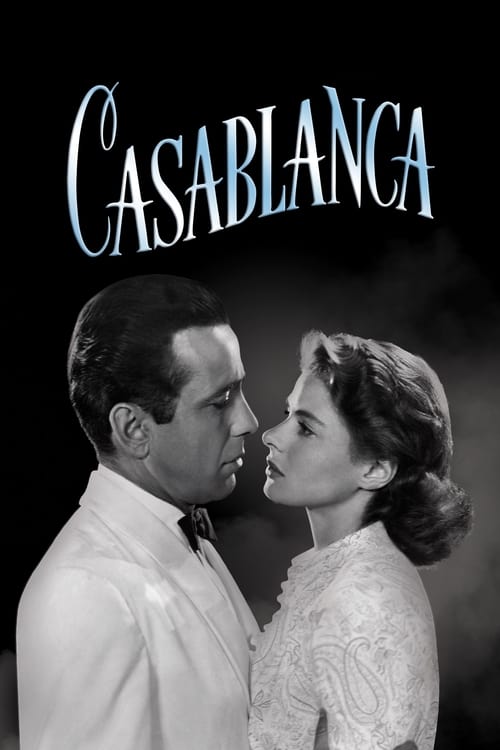
Casablanca
American
1942 · Directed by Michael Curtiz · 102 min


Drama · Romance
American
1942 · Directed by Michael Curtiz · 102 min


Meaning, unpacked
Central idea
The film can be read as a story about the cost of staying out of things. Rick insists on neutrality in a world dividing into sides, and the film tests whether private feeling and public duty can be kept apart.
What it means
Rick stays neutral for most of Casablanca, and then he can't. He sends Ilsa away with her husband and lets the war back into his life. The film is really about what that choice costs. It asks whether private feeling and public duty can be kept apart, and its answer is no. Rick's neutrality is both a disguise and a wound, and the city, officially neutral and full of bargaining, becomes a stage where everyone must choose.
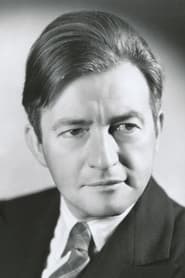
Cynicism is armour here, and the film keeps showing how thin it is. Renault takes petty bribes and also has a conscience, and Claude Rains plays that contradiction with charm. The crowd in the café is stranded, buying time, hope and papers, so Casablanca feels less like a place than a waiting room. Love matters, but the film values the choice you make over the relationship you keep. Hence "We'll always have Paris." At the emotional high point, patrons drown out the German officers with the Marseillaise, and the whole room joins in.
Why it mattered
Casablanca wasn't made as an instant classic. It was a studio prestige picture, made in the usual way, and that is part of its interest. It shows what Warner Bros. contract stars, writers, designers and a composer could achieve together. Several writers worked on the script, with pages reportedly revised during shooting, yet it balances a big cast and several plots with economy. Lines do double duty as jokes, characterisation and political statement.
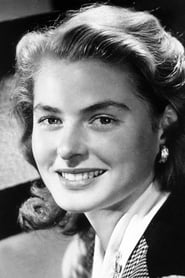
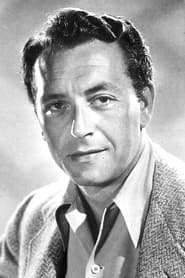
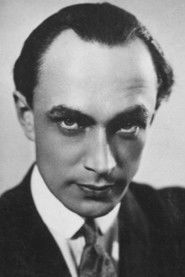
It also fused romance, topical politics and star charisma into one cohesive entertainment. Arthur Edeson's photography gave Rick's world hard shadows and Ilsa a soft glow. Max Steiner's score, with As Time Goes By and the French anthem, turned music into memory and protest. The refugee crowd carried real weight, since many actors, including Conrad Veidt, Peter Lorre and Marcel Dalio, had fled Europe themselves. The film premiered in New York in late November 1942, soon after the Allied landings in North Africa, and opened widely in January 1943 as a Casablanca conference of Allied leaders took place. It was a strong critical and commercial success, with eight Oscar nominations and wins for Best Picture, Director and Adapted Screenplay.
Before anyone tells you what to think: what did you make of it?
Log in to rate it and leave commentsIt takes one click with Google or an email link. You come straight back here.
Rate it, keep your notes, and find the next film.
Free, no ads. Your journal, your lists, a Cine Guide that remembers you.
Create your free spaceIts legend grew later, through television and repertory screenings, as audiences rediscovered Bogart and the studio era. It became a template for romance set against global conflict, and for the cynical hero redeemed by duty. Bogart's trench coat and weary stare became an emblem of the cynical idealist. Its lines and music passed into shared culture: "Here's looking at you, kid," "Round up the usual suspects," and the misquoted "Play it again," which gave Play It Again, Sam its title. As Time Goes By, a 1931 song little known before the film, became a standard.
Today it is one of the most quoted and beloved American films, admired as much for its craftsmanship as its sentiment. Even its improvised-seeming ending is seen as part of its charm. A real Rick's Café opened in Casablanca in 2004, though the film was shot entirely on Hollywood studio sets. Rick's café was a set, and the fog hid it. Yet millions of people have believed in it, which says something about what the film does best.
What happens
At the airport, Rick makes Ilsa board the plane with Laszlo, shooting Major Strasser when he tries to stop them. Renault covers for him, and the two men walk off to join the Free French.
The last line
"Louis, I think this is the beginning of a beautiful friendship."
What it says
Rick's neutrality ends: he gives up the woman he loves for a cause bigger than either of them. The film values the choice over the romance, so he and Ilsa part, and Rick and Renault commit together.
Or follow an idea from this film

Continue the director
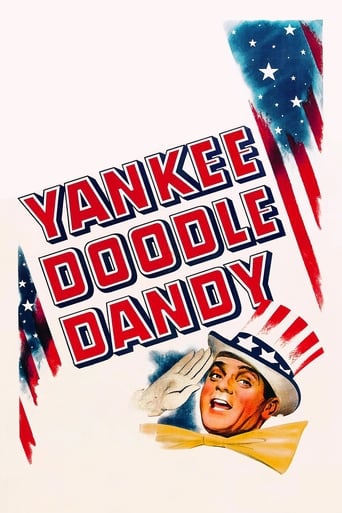
Yankee Doodle Dandy (1942)
Michael Curtiz's patriotic musical, released the same year, shows his range and the Warner Bros. efficiency behind Casablanca.
Explore the era or movement
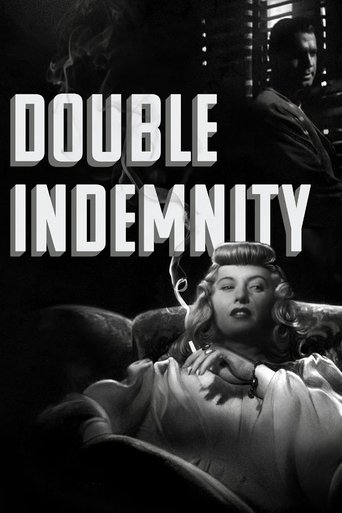
Double Indemnity (1944)
Another Hollywood classic from the war years, with shadowy lighting and sharp dialogue, showing the studio system moving toward film noir.
Follow the idea
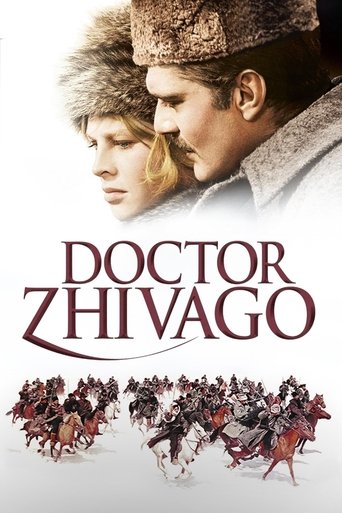
Doctor Zhivago (1965)
A sweeping romance in which war and revolution intrude on love, extending Casablanca's mix of private feeling and world events to epic scale.
Compare another approach
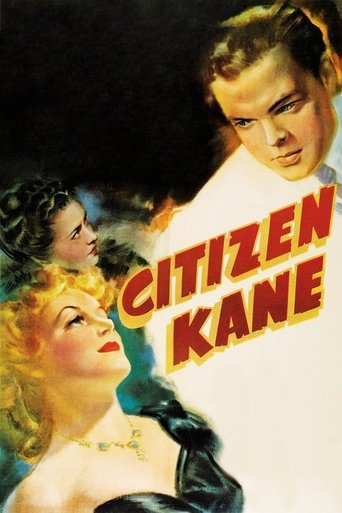
Citizen Kane (1941)
Made the year before, it shows what a different, more experimental route within the same studio era looked like, set against Casablanca's polish.