

Mystery · Drama
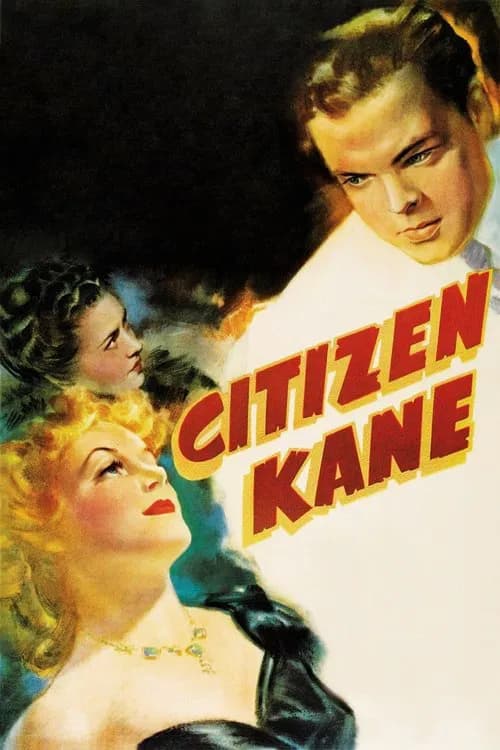
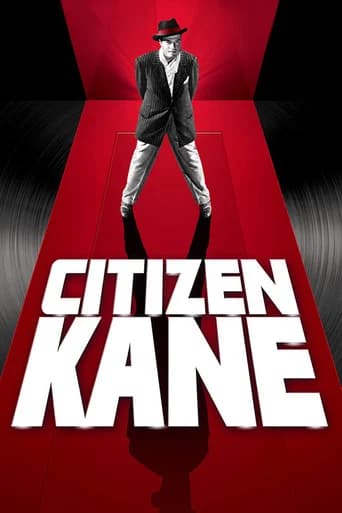
Citizen Kane
Avg rating 9.0 / My rating TBC
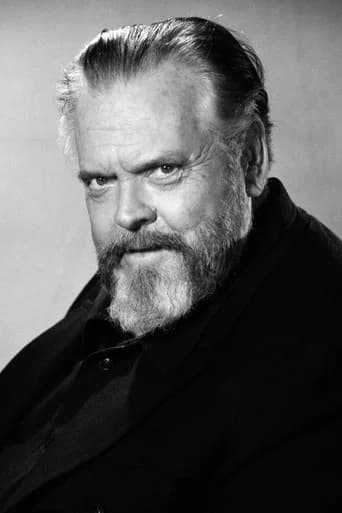
1941 · Directed by Orson Welles · With Orson Welles, Joseph Cotten, Dorothy Comingore
- Classical Hollywood
- Auteur Cinema
- Melodrama
A powerful newspaper publisher dies alone in a vast mansion, leaving a single word on his lips. A reporter is sent to learn what it meant, and pieces together the man from the people who knew him, each telling a different story.
Film info
- Runtime
- 1h 59m · 119 min
- Format
- Black and white, 1.37:1 Academy ratio, English, 119 minutes. Sound and image are rich enough to reward a good screen and volume.
- IMDb
- 8.2 / 10 (491,492 votes)
- Rotten Tomatoes
- 99% (critics)
- Metacritic
- 100 / 100
- TMDB
- 8.0 / 10 (audience, 6,253 votes)
- Trailer
- ▶ Watch the trailer
Before watching
Spoiler-free · about 2 minutes
Short on time? Spoiler-free
A 3-minute summary
Why watch this?
A 25-year-old's first feature that rewrote the rulebook
Orson Welles directed, co-wrote and starred in his debut film. It is the most celebrated example of a Hollywood studio film reinventing its own storytelling, from structure to image to sound.
A life told as a puzzle, not a timeline
The film assembles one man from clashing accounts, newsreel and memory. It makes the viewer an active investigator, and shows how biography on screen could be subjective and incomplete.
Every shot is designed to be read
Deep focus, extreme low angles, long takes and overlapping dialogue make the frame itself a source of meaning. It is a masterclass you can watch for craft alone.
Why it matters in cinema history
A defining film of the Hollywood studio era at its most ambitious, and the work that modern cinema most often treats as the point where American film showed how formally daring it could be.
Watch with intention
Your lens
Watch it as a trial of a man's character in which no witness is fully reliable, and notice how the visuals comment on each one.
Three things to notice
- How often foreground and background are both sharp, and how characters placed at different depths in one shot tell you about power and distance.
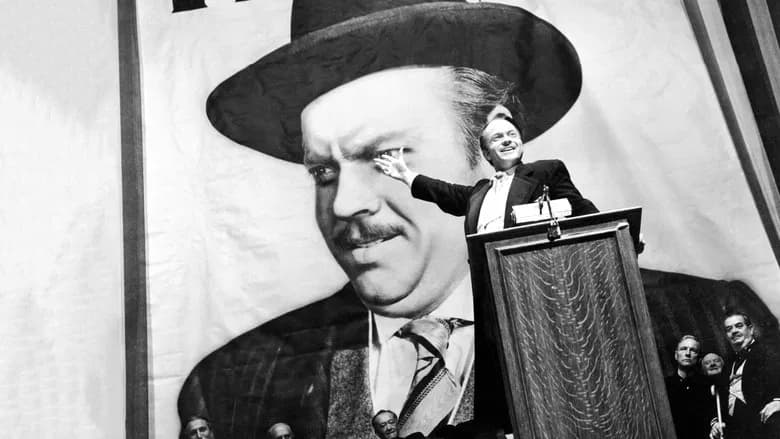
- The camera angles: many shots look up from the floor, and you can often see ceilings that earlier films would have left out.
- How scenes begin and end, with transitions through dissolves, sound bridges and overlapping speech instead of simple cuts.
One question to carry with you
If everyone who knew one man tells a different story, what would it take to say you actually knew him?
- Industry
- Welles arrived at RKO in 1939 with a rare contract giving him creative control, after fame in theatre and radio. Studio films were normally shaped by producers and house style.
- Technology
- Cinematographer Gregg Toland pushed deep focus, keeping foreground and background sharp together, using faster film stock and powerful lighting. Sound was recorded with radio-style layering borrowed from Welles's Mercury Theatre broadcasts.
- Dominant styles
- Hollywood favoured clear, linear storytelling, continuity editing and evenly lit sets. The biopic usually moved chronologically and treated its subject with admiration.
- Context
- The central figure was widely understood to echo newspaper tycoon William Randolph Hearst, whose papers fought the film and pressured the industry, shaping its troubled release.
Where it came from
Movement
German Expressionism
Stark shadows, tilted authority and psychologically charged sets echo the Expressionist tradition, filtered through Hollywood lighting.
Tradition
The March of Time newsreels
The film's opening newsreel parodies this dramatic, authoritative style of news reporting, which Welles used to summarise a life before questioning it.
Film
Stagecoach (1939)On Cinespective
Welles is reported to have studied John Ford's film closely for its staging and use of space, and the low-angle ceilings of Kane echo that interest.
This film
Citizen Kane (1941)
New at the timeIt broke chronology into overlapping subjective accounts while treating composition, lighting, ceilings, sound and editing as storytelling tools all at once.
- Country and moment
- The US was emerging from the Depression while Europe was at war. Isolationists and interventionists argued fiercely, and the press and radio shaped that debate. Powerful media owners were a live public concern.
- Politics and press power
- The title character was widely seen as modelled on publisher William Randolph Hearst. Hearst's newspapers attacked the film and pressured the industry and exhibitors, which limited its release and its box-office returns.
- The filmmaker's situation
- Welles was famous from stage work and the 1938 radio broadcast of The War of the Worlds. RKO gave him an unusually generous contract, including final cut, for his first feature. Few directors had that much control.
- Society and audience
- Audiences in 1941 were drawn to a story of wealth and ambition, shown through a rich man's public image. Many found the film's style unfamiliar, and it did only modest business at first.
- Pace
- Brisk and dense at first, then more deliberate. Information arrives quickly, so attention in the opening ten minutes pays off.
- Structure
- Told through flashbacks from several narrators, jumping across decades rather than running in order.
- Style
- Theatrical and stylised: dramatic shadows, striking angles, rapid-fire overlapping dialogue and a mix of newsreel and drama.
- Performance
- Large, stagey and precise. Welles plays Kane from his twenties to old age through voice, posture and makeup.
- Format
- Black and white, 1.37:1 Academy ratio, English, 119 minutes. Sound and image are rich enough to reward a good screen and volume.
10+
Suggested age
Older children
Ratings range from GB U and FR TP to DE 12 and US PG/NR; 10 suits a calm, talky black-and-white drama whose themes and pace suit older children.
Official ratings
- USPG / NR
- UKU
- Germany12
- FranceTP
Good for
Older children curious about how films are made may enjoy the inventive camerawork, dramatic lighting and puzzle-like structure. It is a good film to watch together and discuss.
May unsettle
- Pace: Dialogue-heavy, with overlapping time periods and many characters. Younger children may lose the thread or become restless over nearly two hours.
- Mature themes: Adult relationships, ambition, power and money are central. Emotional conflict is mostly spoken rather than shown, but the tone is often cold and sad.
- Dated attitudes: Some period attitudes, especially in how women and relationships are portrayed, reflect the 1940s.
Explain first
- It is a black-and-white film from 1941, and it jumps back and forth in time as different people tell their memories.
- The story is about a powerful newspaper owner, so it helps to know that newspapers once shaped public opinion.
Talk about it after
Why do you think the film shows its main character through several different people's memories rather than one narrator? How did that change what you thought of him?
Cinespective's own guidance, a draft: check it against the official ratings and your own judgement. Second opinions: Common Sense Media, IMDb (see its Parents Guide). Ratings from TMDB.