

Drama · Romance
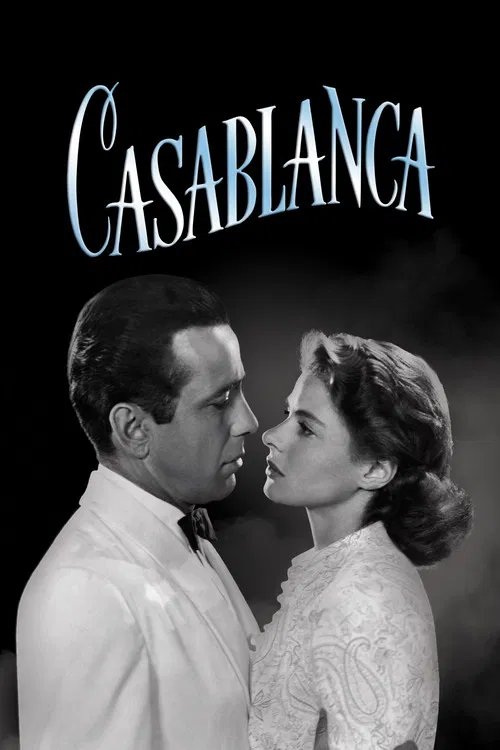
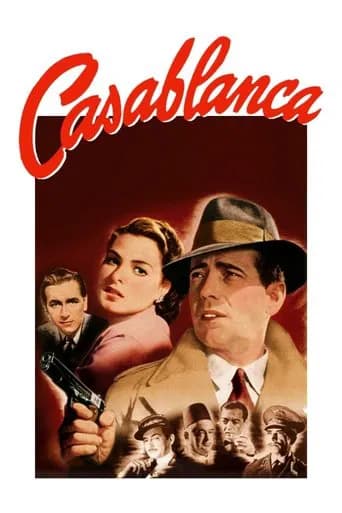
Casablanca
Avg rating 9.1 / My rating TBC
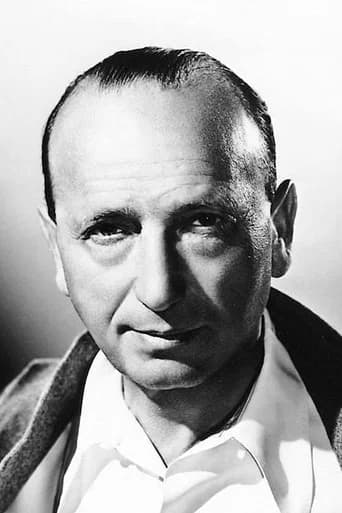
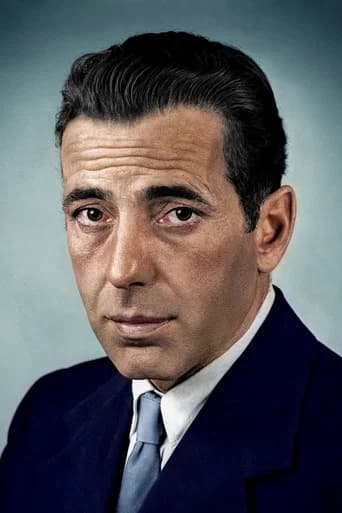
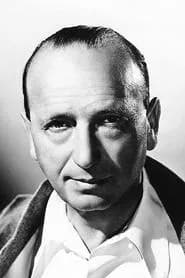
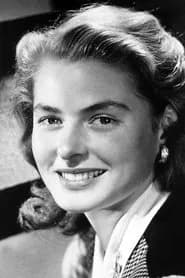
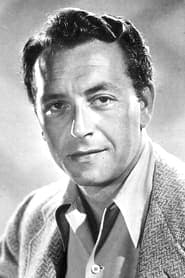
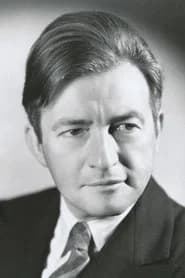
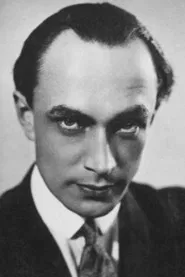
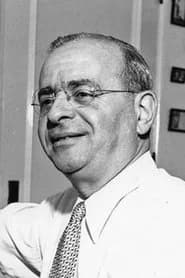
1942 · Directed by Michael Curtiz · With Humphrey Bogart, Ingrid Bergman, Paul Henreid
- Classical Hollywood
- Melodrama
- War Film
Casablanca, December 1941: a neutral outpost where refugees wait for scarce exit papers and everyone passes through one nightclub. Its American owner insists he takes no sides, until a woman from his past walks in. A romance, a thriller and a wartime fable in one.
Film info
- Runtime
- 1h 42m · 102 min
- Format
- Black and white, standard 1.37:1 frame, sound film.
- IMDb
- 8.5 / 10 (656,718 votes)
- Rotten Tomatoes
- 99% (critics)
- Metacritic
- 100 / 100
- TMDB
- 8.1 / 10 (audience, 6,255 votes)
- Trailer
- ▶ Watch the trailer
Before watching
Spoiler-free · about 2 minutes
Short on time? Spoiler-free
A 4-minute summary
Why watch this?
The Hollywood studio system at its most polished
Casablanca won the Oscars for Best Picture, Director and Adapted Screenplay. It shows what Warner Bros. contract stars, writers, designers and a composer could achieve together, and it remains the best-known Golden Age romance.
A cast where every part is memorable
Bogart, Bergman, Rains, Veidt, Greenstreet, Lorre and Dooley Wilson all land sharply defined roles, many played by real European exiles. Even minor characters feel lived in.
Dialogue and music you already half know
So many of its lines and its song have entered everyday speech that watching it feels like meeting the source. The writing is quicker, funnier and more political than its reputation suggests.
Why it matters in cinema history
A defining film of the Hollywood studio era and of wartime American cinema, showing how genre formula, topical politics and star charisma could be fused into a single, unusually cohesive entertainment.
Watch with intention
Your lens
Watch it as a machine for making an enclosed room feel like the whole world: everyone's story arrives at one nightclub.
Three things to notice
- How Bogart's Rick is introduced: the framing, the lighting and how other characters talk about him before and around him.
- The lighting on faces, especially close-ups of Ingrid Bergman, softened and glowing against the harder shadows used elsewhere.
- How music works: the café's songs, the piano and the orchestral score all carry meaning, sometimes while characters say something different.
One question to carry with you
What is Rick's café for: what does it give the people who come, and what does it give him?
- Industry
- Warner Bros. made it as a routine prestige picture on studio sets, with contract players and staff writers. The studio system was at its peak of efficiency.
- Audience
- The United States had entered the war weeks before shooting began. Audiences expected stories that spoke to exile, loyalty and sacrifice, and Hollywood was rapidly turning toward the conflict.
- Dominant styles
- Black-and-white studio lighting, tight scripts and star-driven genre films ruled. Romance, crime and war-themed intrigue were routinely mixed within one picture.
- Director's moment
- Michael Curtiz, a Hungarian émigré, was a fast, versatile Warner staff director known for action, melodrama and musicals, valued for keeping stories moving.
Where it came from
Film
Algiers (1938)
An earlier Hollywood romance set in an exotic colonial city, with a fugitive hero, a crowded native quarter and a shadowy cast of local characters. A close model for Casablanca's atmosphere.
Film
Confessions of a Nazi Spy (1939)
An earlier Warner Bros. picture that openly opposed Nazism, part of the studio's tradition of topical, politically engaged films that Casablanca continued.
Tradition
The Warner Bros. studio style
A house style of fast pacing, urban toughness, shadowy lighting and social awareness, perfected in gangster films and melodramas, shapes Casablanca's rhythm and look.
This film
Casablanca (1942)
New at the timeIt folded a love story, a political thriller and sharp comedy into one tone, with a world-weary hero set against real current events.
- Country and moment
- The film reached cinemas while America was newly at war. Its story of European refugees stranded in Vichy-run North Africa spoke to an American public still absorbing the shift from isolationism to open conflict.
- Politics and censorship
- The Production Code Administration reviewed scripts, and the Office of War Information encouraged films that supported the Allied cause. The Code also limited how the film could treat sexuality, adultery and cynical politics, so these were handled by implication.
- Society and audience
- Allied forces landed in North Africa in November 1942, and Casablanca was in the news. Warner Bros. released the film shortly afterwards, and the Casablanca Conference followed in January 1943. Audiences were already invested in the region.
- The filmmaker's situation
- Michael Curtiz was a Hungarian-born émigré who had worked in Europe before settling in Hollywood. Much of the cast and crew were also European exiles, including refugees from Nazism, so they knew the film's subject at first hand.
- Pace
- Brisk and dialogue-led. It is short by modern standards, with a lot of plot carried in conversation, and it rewards close listening.
- Style
- Classic studio filmmaking: elegant continuity editing, expressive lighting, constructed sets and a sweeping orchestral score. Emotion is shown through glances and close-ups rather than action.
- Tone
- A mix of wit, cynicism, romance and wartime seriousness. The comedy is frequent and dry, not just a break from the drama.
- Format
- Black and white, standard 1.37:1 frame, sound film.
- Language
- Mostly English, with French, German and other languages and accents spoken naturally. Some French and song lyrics are untranslated, but the meaning is always clear.
8+
Suggested age
Older children
Ratings range from GB U and US PG to German 6/12 and French all-audiences; 8 suits children who can cope with a black-and-white, dialogue-heavy film about wartime adults.
Official ratings
- USPG
- UKU
- Germany6 / 12
- FranceTP
Good for
Witty dialogue, glamorous settings, memorable songs and a classic love story. Older children and teens who enjoy old films may like its mix of romance, humour and wartime suspense.
May unsettle
- Violence: Occasional gunfire and killings, mostly brief and not graphic, with some threatening behaviour from officials.
- Mature themes: Adult romance, heartbreak, desperate refugees, corruption and wartime oppression run through the story, with some innuendo.
- Pace: Talky and slow in places, in black and white, so younger children may lose interest.
- Dated attitudes: Some period attitudes toward women and national stereotypes, plus heavy smoking and drinking throughout.
Explain first
- The film is set in 1941, early in World War II, when Nazi Germany controlled much of Europe and many people were trying to flee.
- Casablanca is a city in Morocco where refugees wait for travel papers. Officials there are under pressure from the Germans.
- It is in black and white and has dialogue-heavy scenes; some French and German is subtitled.
Talk about it after
Which characters seem to hide their true feelings behind a tough or cynical manner, and what do you think they are protecting?
Cinespective's own guidance, a draft: check it against the official ratings and your own judgement. Second opinions: Common Sense Media, IMDb (see its Parents Guide). Ratings from TMDB.